
REVIEW · CHOCOLATE & SWEETS
Melbourne: Gangsters, Brothels and Lolly Shops Tour
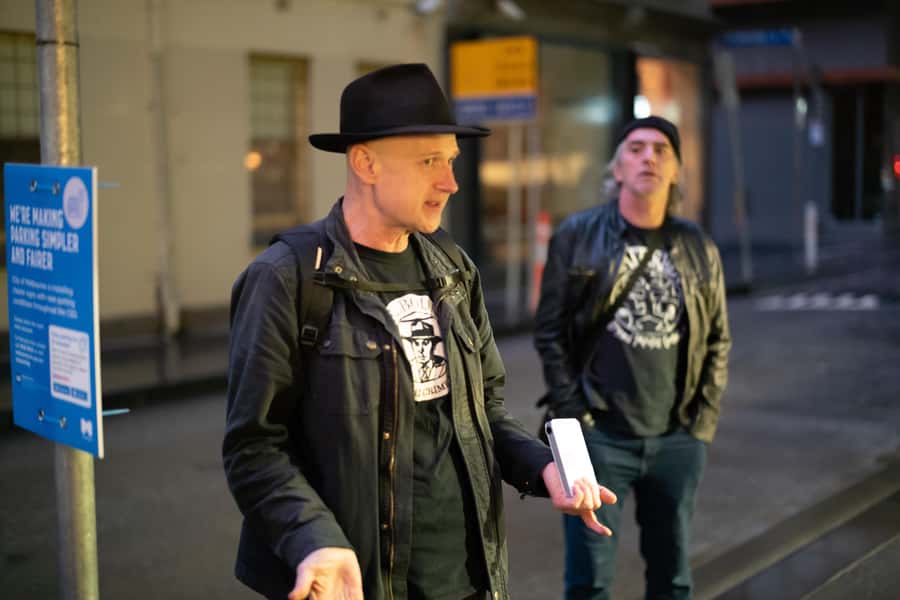
The streets of Melbourne have darker chapters. This 2-hour walk through Little Lon takes you past alleys and buildings tied to red-light life, gang fights, and the women who tried to keep control in the 1850s to 1940s. I like that it’s not just dark trivia—it links the stories to the exact streets you can still see today, with stops placed for maximum context. Michael Shelford, writer and historian, keeps the pace lively with real character detail, not a dry lecture.
My favorite part is the way the tour spotlights the women-led side of Melbourne’s underworld, including madams, rival power plays, and an all-female crime syndicate called The Combine. I also really enjoy how the tour works in unexpected themes like former opium dens, cocaine cafes, and even the candy-shop angle—so the history feels broader than just one kind of vice. One thing to consider: the tour is story-heavy and includes a fair amount of stopping and standing, so if you want constant motion, plan for some pauses along the way.
In This Review
- Quick Highlights You’ll Remember
- Walking Little Lon: Why This Tour Feels Different
- Meet at Coopers Inn and Learn on the Move
- Michael Shelford’s Storytelling Approach (and Why It Works)
- The Power Play Behind Little Lon: Women, Police, and Gangsters
- Squizzy Taylor: Standing Outside Australia’s Most Famous Gangster’s House
- Brothels and Speakeasies: What You See vs. What Happened
- Opium Dens and Cocaine Cafes: The Night Economy After Dark
- The Last Single-Storey Cottage in Melbourne’s Back Lanes
- The Price: $35 for 2 Hours of High-Impact Street History
- What You Should Wear and How to Plan Your Time
- Who Should Book This Tour (and Who Might Skip It)
- Should You Book This Tour?
Quick Highlights You’ll Remember
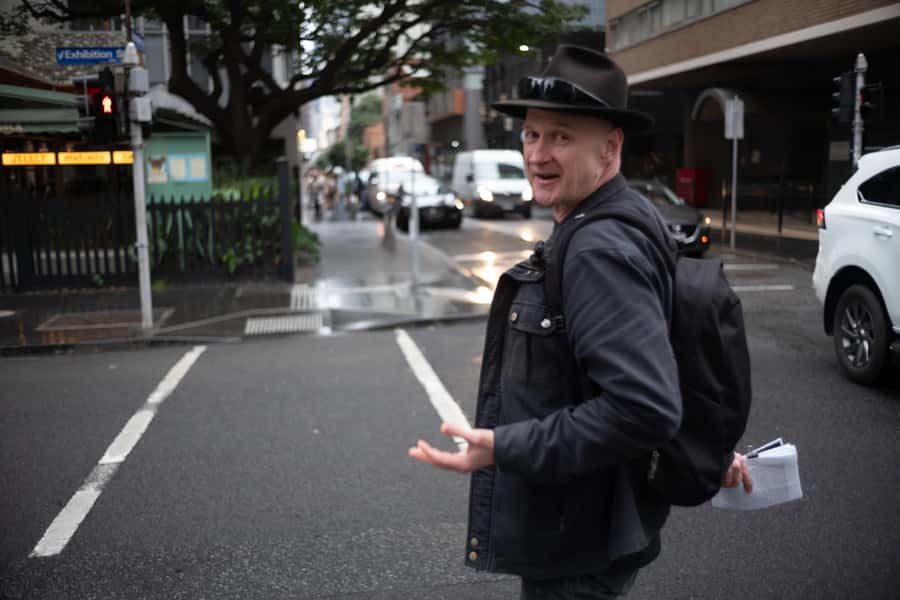
- Little Lon streets and laneways: you walk the back lanes where vice and survival overlapped
- Squizzy Taylor’s former home: you stop outside the building tied to Australia’s best-known gangster
- Houses of ill-fame: you see the sites of former brothels and sly grog (speakeasies)
- Opium dens and all-night cocaine cafes: stories include who went there and what kept the night economy running
- The last remaining single-storey cottage: a rare survival that makes the whole era feel real
After dark, more Melbourne gaol and true-crime tours
- Melbourne Historical Walking Tour: Crime, Gangsters & Lolly Shops★ 5.0 · 137 reviews
- Fitzroy True Crime Walking Tour★ 5.0 · 124 reviews
- Melbourne’s True Crime Tour★ 5.0 · 83 reviews
- Melbourne Ghost Tour★ 4.0 · 65 reviews
Walking Little Lon: Why This Tour Feels Different
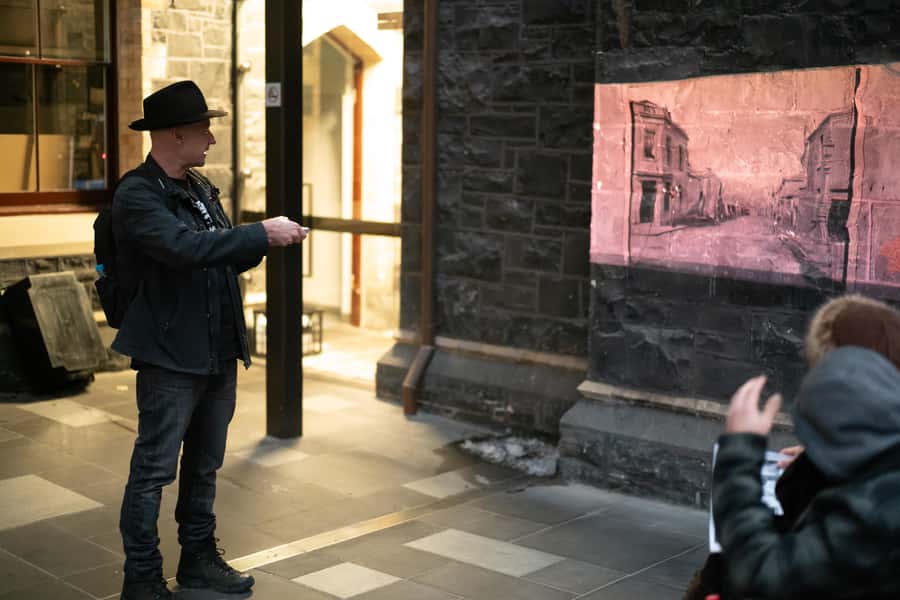
Melbourne’s center looks polished now, but this tour shows you the city’s older layer—the slum and red-light zone people once called Little Lon. You’ll walk through downtown and nearby back streets with a focus on the years roughly from the 1850s to the 1940s, when the underworld operated close to everyday life. That proximity is the point: you’re not traveling to some themed museum set. You’re seeing where it happened.
I like that the tour keeps turning history into location. Each stop is meant to help you picture what the buildings and lanes looked like in their working days, and why certain corners mattered to criminals, police, and the women running the trade. The result is a tour that feels like a guided route through a real crime map.
Meet at Coopers Inn and Learn on the Move
The tour starts at 282 Exhibition Street, at the Coopers Inn Hotel, and it leaves right on starting time. If you’re running a little late, the group is likely to be in the small paved park across the lane. This is a classic walking-tour setup: you’ll want to be there early enough to get oriented and settle your footing.
The duration is 2 hours, so you’ll get a tight slice of the district without feeling like you’ve signed up for a full afternoon. The guide is English-speaking, and the tour is listed as wheelchair accessible, which is a big plus for anyone who wants this kind of city story without losing out on mobility options.
For equipment, you’ll do best with comfortable shoes. Melbourne weather can switch moods quickly, so bring weather protection and sunscreen when conditions call for it. One small practical note: the stories cover shootings, bombings, bashings, robberies, opium, cocaine, and sly grog—so it’s worth knowing the tone is dark and gritty, even when the guide adds humor.
Michael Shelford’s Storytelling Approach (and Why It Works)
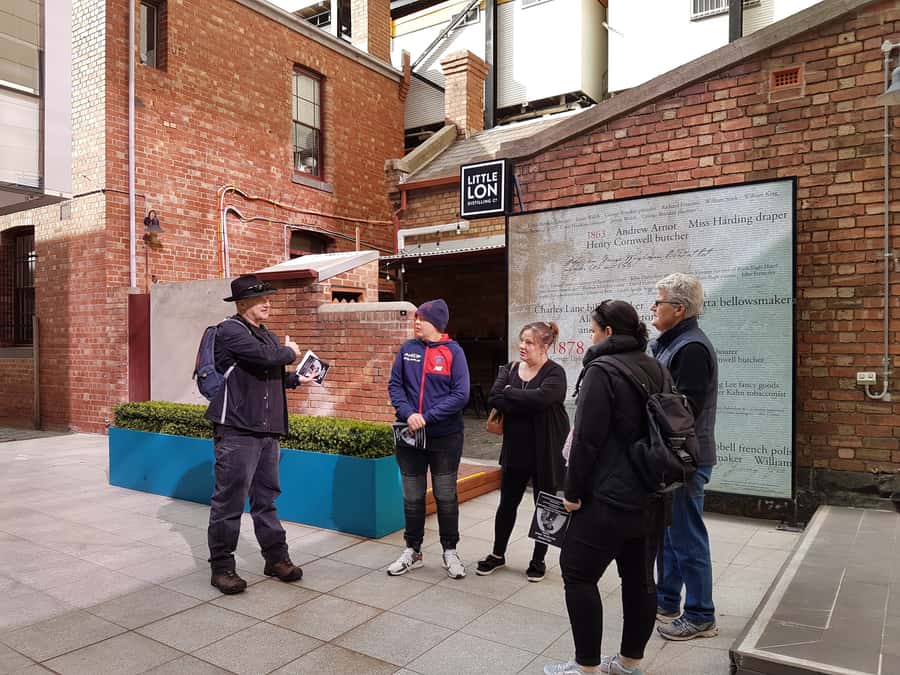
This tour is designed and delivered by writer and historian Michael Shelford, and the best part is how he uses detail to build momentum. The guide’s style seems built for questions: you’re likely to get chances to ask things, and the tour keeps responding in a way that helps you stay engaged instead of waiting for the next stop.
From the way people describe the experience, there’s a steady rhythm of fact, character, and location. You’ll learn about the underworld not as a random list of crime—but as a system with power struggles, alliances, and conflicts. If you’re the type who likes your history to have names and motives, this approach suits you.
A small pacing consideration: one review-style note you might take as a planning hint is that the tour includes a lot of stopping for stories. If you want a constantly moving “walk, walk, walk” experience, you may find the mix a little heavier on standing and listening than you’d like.
The Power Play Behind Little Lon: Women, Police, and Gangsters
The core story is that Little Lon was mostly run by women during its roughest decades. That fact changes how you read everything else on the walk. Instead of seeing brothels and sly grog shops as just male-run criminal chaos, you learn about madams protecting territory, managing reputations, and negotiating the pressure coming from both gangsters and police.
You’ll hear about the battle for supremacy—who controlled streets, who controlled doors, and who got squeezed when law enforcement tightened up. The tour also introduces an all-female crime syndicate called The Combine, which helps explain how organized the underworld could be, not just chaotic.
This is valuable because it gives you a more accurate picture of how “vice districts” actually functioned. It wasn’t only about desperate patrons and brutal criminals—it was also about business, leverage, and community control. The guide’s framing helps you see the women running the area as strategic players, not background characters.
Sweet tooth acting up? More Melbourne chocolate tastings

Squizzy Taylor: Standing Outside Australia’s Most Famous Gangster’s House
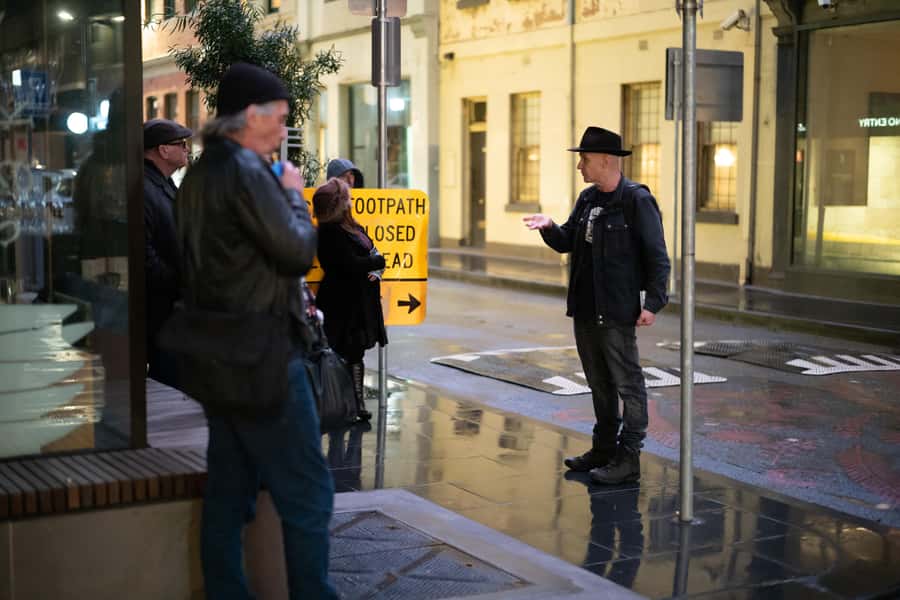
One of the clearest anchor points on the route is a stop outside the former home of Squizzy Taylor, described as Australia’s most famous gangster. Even if you only know the name, the way the tour places him in an actual location helps you understand why certain figures mattered. It’s not a distant legend; it’s a street-level story.
What makes this stop work for you is context. The tour doesn’t treat Taylor as a lone villain swooping into town. Instead, he fits into the broader competition the district was facing—gang power clashing with people already running their own networks.
This kind of “stop-by-stop framing” is exactly why walking tours can be better than reading. You can look at the surrounding streetscape and let your imagination do a little work. If you like connecting biography to geography, this will be one of your most memorable moments of the tour.
Brothels and Speakeasies: What You See vs. What Happened
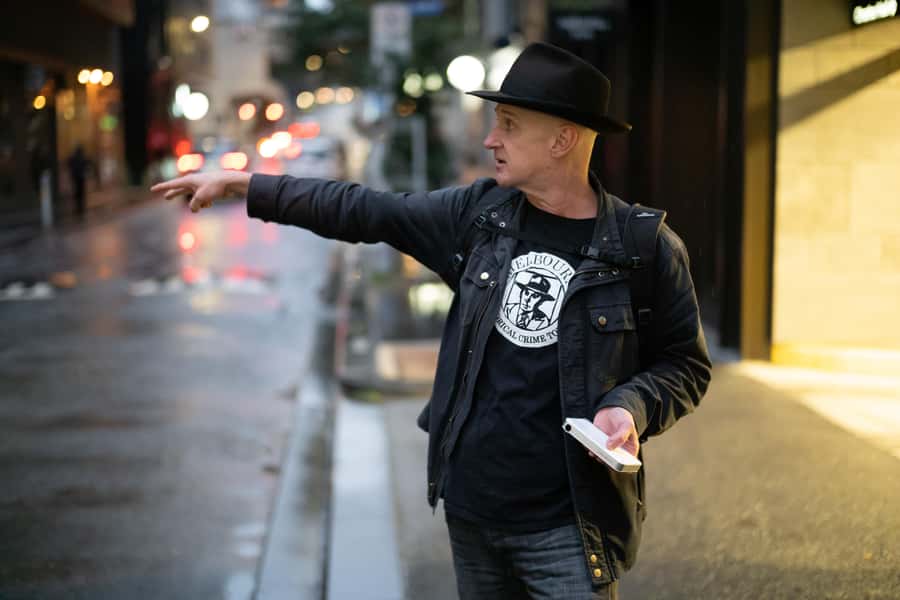
The tour includes stops at buildings that were once houses of ill-fame and sly grog (speakeasies). You’ll learn what occurred inside those walls and also what played out on the streets and laneways nearby. That matters, because a lot of the action of a hidden economy doesn’t stay inside doors—it spills into the behavior of people waiting, trading, arguing, and watching.
Expect a mix of history and practical storytelling: what kind of places these were, how they fit the nightlife economy, and how conflict could turn physical. The guide’s tone tends to keep things moving, so you’re not stuck listening to the same theme for too long.
There’s also a useful lesson here about how cities hide history in plain sight. A building can look ordinary now, but the tour trains your eye to notice clues—setbacks, the feel of a lane, the logic of proximity to other places. Even after the tour ends, you’ll likely start seeing more meaning in the street layout than you did before.
Opium Dens and Cocaine Cafes: The Night Economy After Dark
Another major theme is drugs and late-night “cafes”—including references to former opium dens and all-night cocaine cafes. You’ll hear about the characters who frequented these premises, and the way they fit into the district’s after-hours rhythm.
For you, this isn’t just shock-value crime talk. The tour uses these stories to show how different forms of vice were connected—how entertainment, illegal substances, and street power overlapped. It also helps explain why people could keep coming back even when violence existed nearby.
If you’re sensitive to dark subject matter, it’s smart to go in knowing the tour covers harsh crimes and addiction-era realities. Still, the guide’s approach seems built to keep the stories readable and understandable, with enough structure that the history doesn’t feel like a free-for-all.
The Last Single-Storey Cottage in Melbourne’s Back Lanes
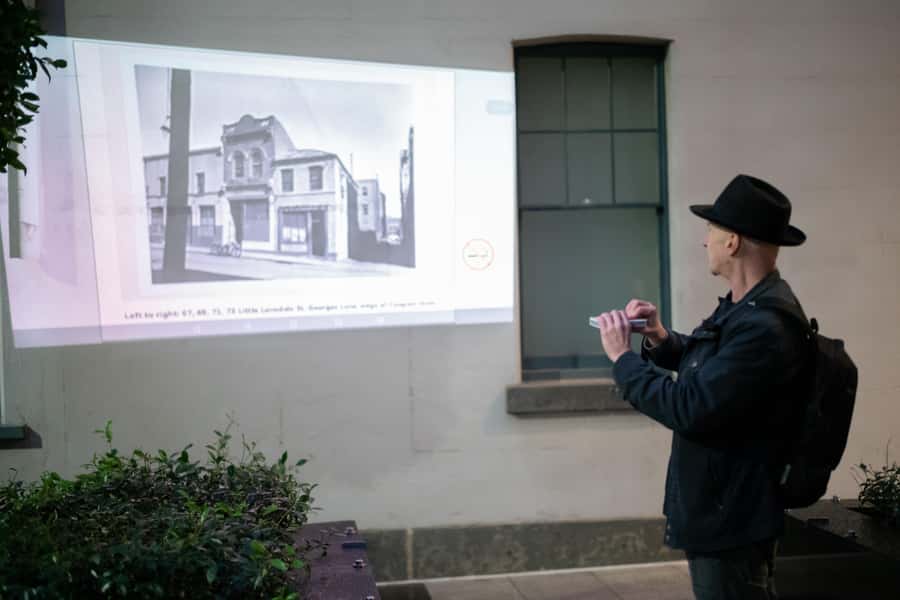
One of the most grounded moments is the visit to the last remaining single-storey cottage in Melbourne’s back lanes. This isn’t just a trivia stop. It’s a reality check.
Modern Melbourne can feel like it’s always been modern, especially in the inner city. When you reach a survivor building like this, you can better picture scale and daily life—how people moved, where commerce might have happened, and why narrow lanes could become corridors for both work and trouble. It’s the kind of stop that makes the era feel less like a story and more like a place.
If you like photographs and visual memory cues, this is also a good moment to slow down. You can study the structure and let it anchor the surrounding narrative in your mind.
The Price: $35 for 2 Hours of High-Impact Street History
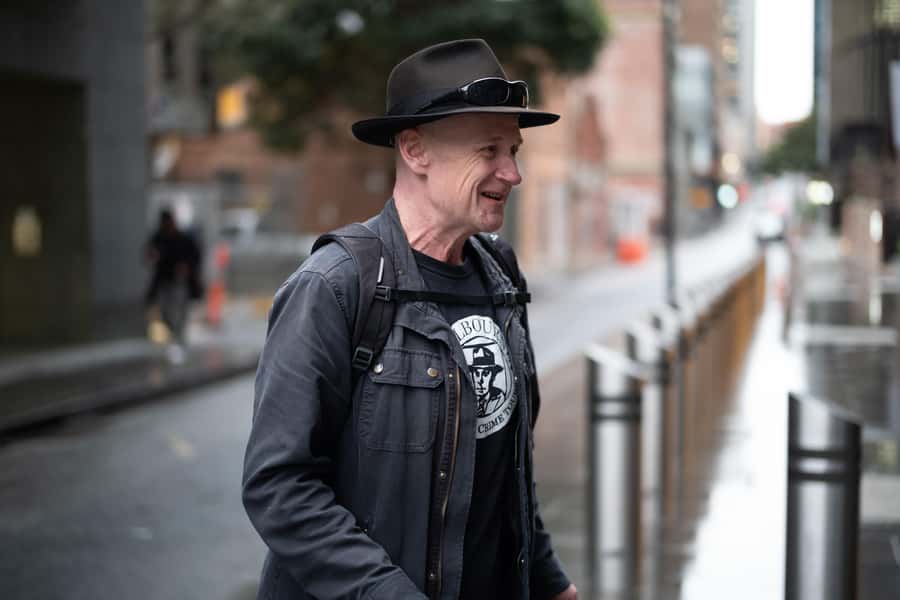
At $35 per person for 2 hours, this tour can be good value if you want a dense hit of street-level storytelling. You’re paying for a guided walk with live interpretation, plus a free tour booklet that includes photos of the featured characters.
That booklet matters more than it sounds. When a tour throws a lot of names, roles, and rival factions at you, the photos and references help you keep track after you finish the last stop. It turns the experience into something you can keep using later—especially if you’re the sort of person who likes reading up on what you saw.
There’s also evidence of strong satisfaction around the guide’s delivery—people repeatedly mention both enthusiasm and research depth, and they like that questions are handled. The one caution is that value can feel different depending on your personal preference for walking vs. listening.
What You Should Wear and How to Plan Your Time
This tour is built for walking, so comfortable shoes are a must. Weather protection helps too: Melbourne can be chilly or showery even when the forecast looked fine in the morning. One review note specifically suggested dressing warm in winter, so if you’re visiting in colder months, don’t rely on a hoodie alone.
Timing is straightforward: the group meets at the Coopers Inn Hotel on Exhibition Street and leaves right on time. If you can, arrive a few minutes early. It reduces stress and helps you get settled before the first story begins.
Who Should Book This Tour (and Who Might Skip It)
I think this tour is a great fit if you enjoy:
- true-crime style history told through real city locations
- stories focused on people and power, not just the sensational parts
- walking-friendly city breaks where you learn by looking at streets
You might want to skip or at least think twice if you strongly prefer lighter sightseeing with zero references to violence, drugs, or criminal activity. The tour covers shootings, bombings, bashings, robberies, opium, cocaine, and brothels/speakeasies. Even with humor and storytelling skill, the subject matter stays dark.
If you’re a local or you’ve lived in Melbourne for years, this can also be a rewarding way to see the downtown core with fresh eyes—especially since the stops include places most people would walk past without stopping.
Should You Book This Tour?
Yes, you should book it if you want a 2-hour walking history that feels tied to Melbourne’s actual street fabric, not just a set of facts. The pairing of Michael Shelford’s storytelling with stops like Squizzy Taylor’s former home, former brothel/sly grog sites, opium and cocaine-era locations, and the last single-storey cottage gives you a lot to carry away.
Book with confidence if you like your tours interactive, story-driven, and location-based—and if you’re comfortable with the gritty side of the city’s past. If you’re looking for a gentle, family-friendly stroll, this may not be the right match.
More Tour Reviews in Melbourne
- Great Ocean Road Small-Group Eco Tour from Melbourne
★ 5.0 · 6,607 reviews - From Melbourne: Great Ocean Road, 12 Apostles, Wildlife Tour
★ 4.7 · 6,020 reviews - Laid back, Yarra Valley Wine Tour: Wine, Cider, Gin, Beer + Choc
★ 5.0 · 4,552 reviews - Great Ocean Road Reverse Itinerary Boutique Tour – Max 11 Guests
★ 5.0 · 4,186 reviews - Penguin Parade, & Wildlife Encounters Eco Tour from Melbourne
★ 5.0 · 3,774 reviews - Melbourne: Yarra Valley Wine, Gin, Whisky and Chocolate Tour
★ 5.0 · 3,667 reviews
More Melbourne Sweet Stuff
- Melbourne: Yarra Valley Wine, Gin, Whisky and Chocolate Tour
★ 5.0 · 3,667 reviews - Epic Yarra Valley Wine Tour + Lunch, Chocolate & Gin/Beer Option
★ 5.0 · 1,819 reviews - Amazing Yarra Valley Wine Tour + Chocolate, Farm Fresh, Gin
★ 5.0 · 1,566 reviews - Melbourne: Yarra Valley Wine, Gin, Whisky and Chocolate Tour
★ 4.9 · 1,209 reviews - Melbourne Lanes & Arcades Chocolate and Dessert Walking Tour
★ 5.0 · 311 reviews - Great Ocean Road 12 Apostles kangaroo, koala and chocolate tour
★ 4.5 · 259 reviews
Melbourne After Dark
- Melbourne Historical Walking Tour: Crime, Gangsters & Lolly Shops
★ 5.0 · 137 reviews - Fitzroy True Crime Walking Tour
★ 5.0 · 124 reviews - Melbourne’s True Crime Tour
★ 5.0 · 83 reviews - Melbourne Ghost Tour
★ 4.0 · 65 reviews - Melbourne: True Crime Walking Tour of Fitzroy
★ 4.9 · 62 reviews - Old Melbourne Gaol: Admission Tickets
★ 4.5 · 58 reviews
Fresh off the rank: Melbourne tours we have written up lately





Chocolate & Sweets, side by side.
 ★ 5.0Yarra Valley Wine, Gin, Whisky and Chocolate TourFrom $933,667 reviews
 ★ 5.0Epic Yarra Valley Wine Tour + Lunch, Chocolate & Gin/Beer OptionFrom $1391,819 reviews
 ★ 5.0Amazing Yarra Valley Wine Tour + Chocolate, Farm Fresh, GinFrom $931,566 reviews
★ 4.9Yarra Valley Wine, Gin, Whisky and Chocolate TourFrom $921,209 reviews
★ 5.0Amazing Yarra Valley Wine Tour + Chocolate, Farm Fresh, GinFrom $931,566 reviews
★ 4.9Yarra Valley Wine, Gin, Whisky and Chocolate TourFrom $921,209 reviews
 ★ 5.0Melbourne Lanes & Arcades Chocolate and Dessert Walking TourFrom $92311 reviews
 ★ 4.5Great Ocean Road 12 Apostles kangaroo, koala and chocolate tourFrom $56259 reviews
 ★ 4.7Yarra Valley Food, Wine, Chocolate & Gin TourFrom $91159 reviews
 ★ 5.0Melbourne Historical Walking Tour: Crime, Gangsters & Lolly ShopsFrom $35137 reviews
Browse the lists this tour appears in