
REVIEW · LANEWAYS & STREET ART
Ultimate Melbourne Walking Tour: History, Laneways & Culture
Melbourne reveals itself in small steps. On this 3-hour walk, you get the story behind laneways and the street art that keeps changing, plus real insight into why Melbourne takes coffee seriously. The route blends big “must-see” landmarks with lesser-seen corners, so you leave with both context and places to return to later.
I especially like the built-in rhythm: a hot coffee stop mid-tour and a complimentary drink at the end, timed so the day stays fun instead of rushed. The only thing to plan around is movement: the walk includes stairs and uneven laneway/arcade surfaces, so it may be tricky if mobility is limited.
In This Review
- Quick take: what makes this tour worth your feet
- Spring Street to Gordon Reserve: the start point that sets the pace
- Parliament, Old Treasury, and Collins Street: where Melbourne’s money story begins
- Photo stop and Hosier Lane: street art with context, not just color
- Federation Square to the MCG: landmarks you’ll recognize, explained your way
- Flinders Street Station and Degraves Street coffee: the pause that teaches culture
- Arcades and arc-story shopping: Block Arcade, Royal Arcade, and Bourke Street Mall
- Chinatown, State Library, and the Yarra River: layers of Melbourne in one loop
- Old Melbourne Gaol to the Captain Melville finish: history with a drink in hand
- Price and value: what $91 buys you in 3 hours
- Guides and pacing: why the tour feels personal
- Should you book this Ultimate Melbourne Walking Tour?
Quick take: what makes this tour worth your feet
- Small group (max 12) keeps it conversational, not a lecture.
- Gold Rush storytelling connects Victorian buildings to how Melbourne grew fast.
- Street art stops at Hosier Lane with context, not just photos.
- Coffee culture lesson plus a hot drink is part of the experience.
- Historic pub finish with a complimentary alcoholic beverage or soft drink.
- Route covers the CBD essentials plus arcades and laneways most people miss.
Down more of the Melbourne laneways and street-art walls
- Ultimate Melbourne Walking Tour: History, Laneways & Culture★ 5.0 · 1,451 reviews
- Melbourne’s Living Laneway Scene: Local Bars and Their Stories★ 5.0 · 542 reviews
- Original Melbourne Lanes and Arcades Walking Tour★ 5.0 · 389 reviews
- Melbourne Street Art Tour★ 5.0 · 378 reviews
Spring Street to Gordon Reserve: the start point that sets the pace
The tour begins at Gordon Reserve, a small park across from the Windsor Hotel, with your guide standing by the fountain and carrying a blue umbrella. It’s an easy meeting spot once you know what to look for, and arriving about 10 minutes early helps you start on time.
This is a smart way to kick things off because it’s right where you want to be for a walking day. You also get a clear “small group” vibe from the start—this isn’t the kind of tour where you disappear into a crowd and stop asking questions.
One more practical note: the meeting point is confirmed 24 hours before departure, so check your confirmation message the day before you go.
Parliament, Old Treasury, and Collins Street: where Melbourne’s money story begins
Right after starting, you head into the Parliament of Victoria area and then move through the surrounding Victorian-era power blocks—especially the Old Treasury Building and Collins Street. This part matters because Melbourne’s modern feel is rooted in that Gold Rush-era speed, when the city changed quickly from frontier settlement to a prosperous metropolis.
What I like here is that you’re not just seeing impressive façades. You’re getting the “why” behind them—how a boom town leaves fingerprints in its architecture, street layout, and civic priorities. If you’ve ever wondered why Melbourne feels so built-up and grand for its age, this is where the explanation starts making sense.
Downside: this isn’t a slow “look at every detail” stroll. The guide keeps momentum so you can cover a lot in 3 hours, meaning you should bring your curiosity, not expect everything to be ultra-detailed.
Photo stop and Hosier Lane: street art with context, not just color

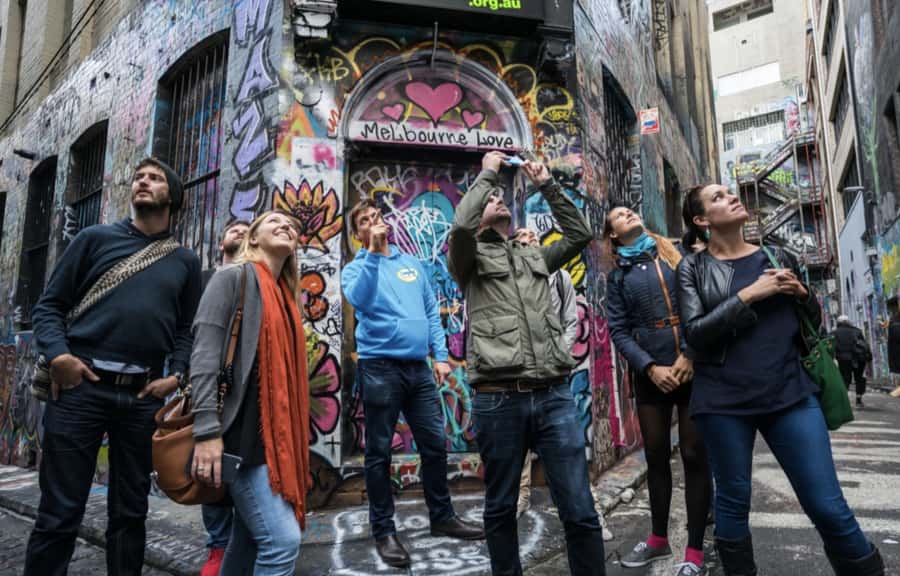
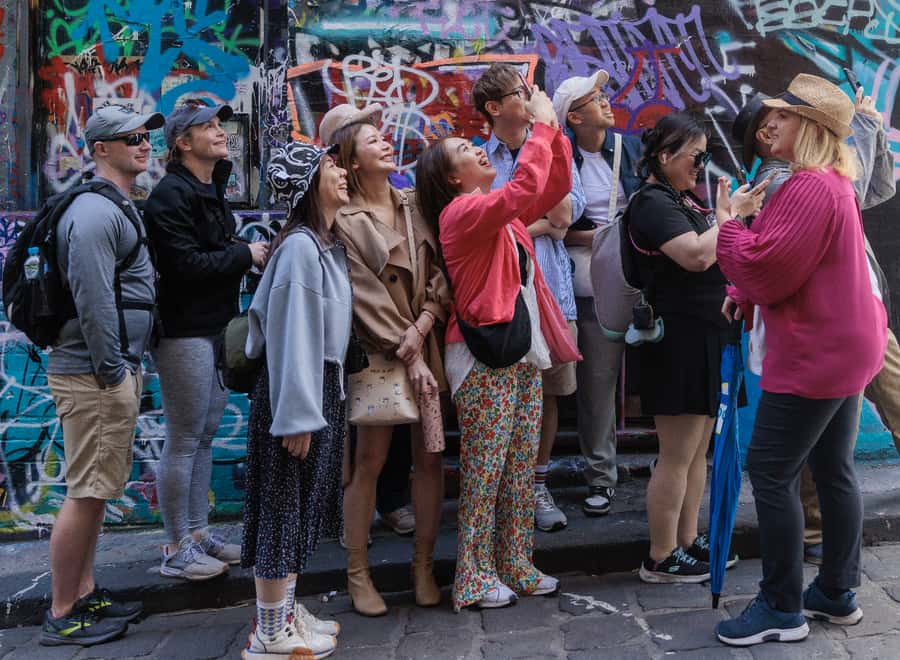
After a brief photo stop, the tour hits Hosier Lane, one of Melbourne’s street-art lanes. The big advantage of going with a guide is that you learn how this outdoor gallery works—how artists, cultural movements, and the city’s changing mood show up in the art.
This is one of the best places for first-time visitors because it teaches you how to read Melbourne at street level. You’ll know what you’re looking at, why it’s there, and why it changes over time. It’s also naturally interactive: people point, compare walls, and ask questions, which makes the small-group size feel even more useful.
If it’s wet, you’ll still go—this tour runs in all weather—but you may want to watch your footing on slick laneway surfaces.
Federation Square to the MCG: landmarks you’ll recognize, explained your way
You then move toward Federation Square, with time built in to take it in (including a guided window). This isn’t just a photo stop; it’s another chance to connect today’s city life to older layers of Melbourne’s identity, including the mix of indigenous heritage and later cultural evolution that shaped the place.
Next, you skim past a major sports icon with a quick stop near the Melbourne Cricket Ground (MCG). It’s short, but it adds variety. Instead of staying stuck in the architectural “money era,” you get a reminder that Melbourne’s culture also shows up in how communities gather and celebrate.
Practical tip: because this section includes quick guided stops, it’s a good idea to ask your guide what to look for in each spot while you’re there. That’s when you’ll get the best payoff for the time you spend.
Stretch the legs on more Melbourne walking tours

Flinders Street Station and Degraves Street coffee: the pause that teaches culture
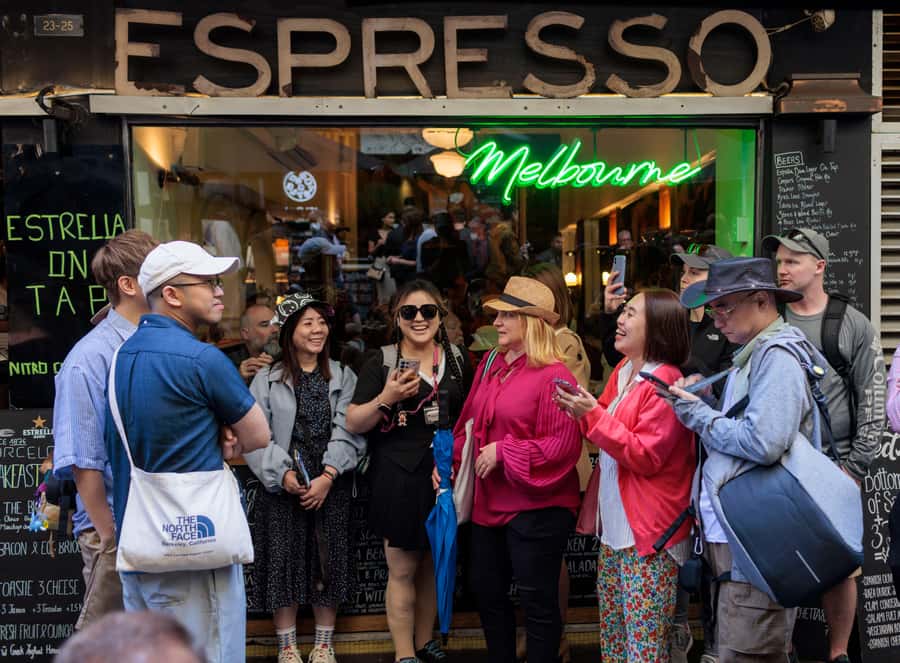
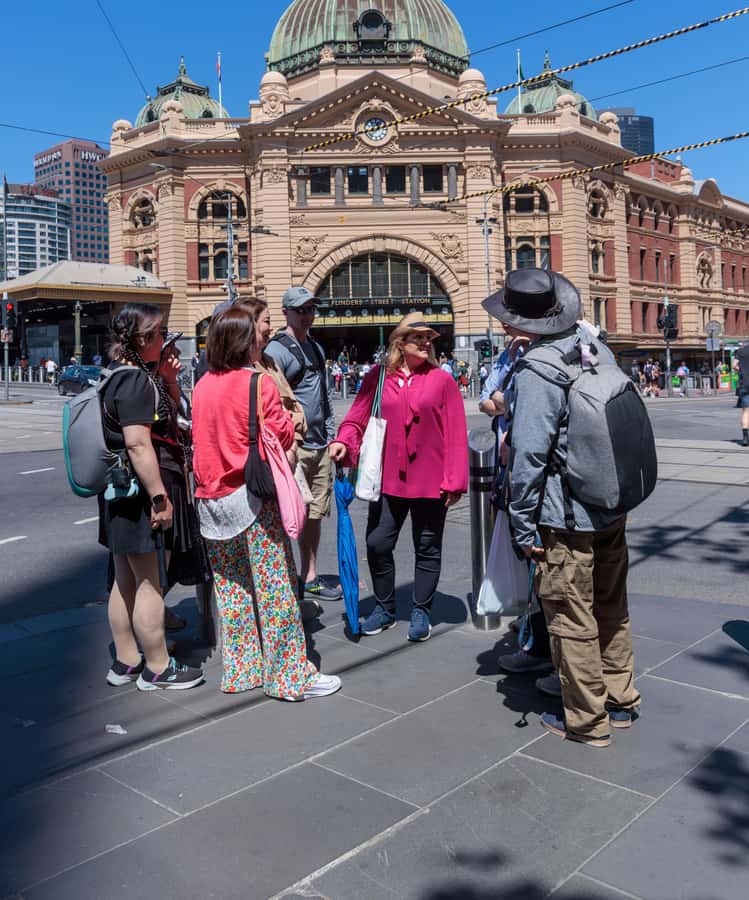
You’ll pass by Flinders Street Station, then continue toward Degraves Street for coffee. This is the moment where the tour gets especially Melbourne: you’re not just ordering a drink, you’re learning why people here treat coffee like a serious craft.
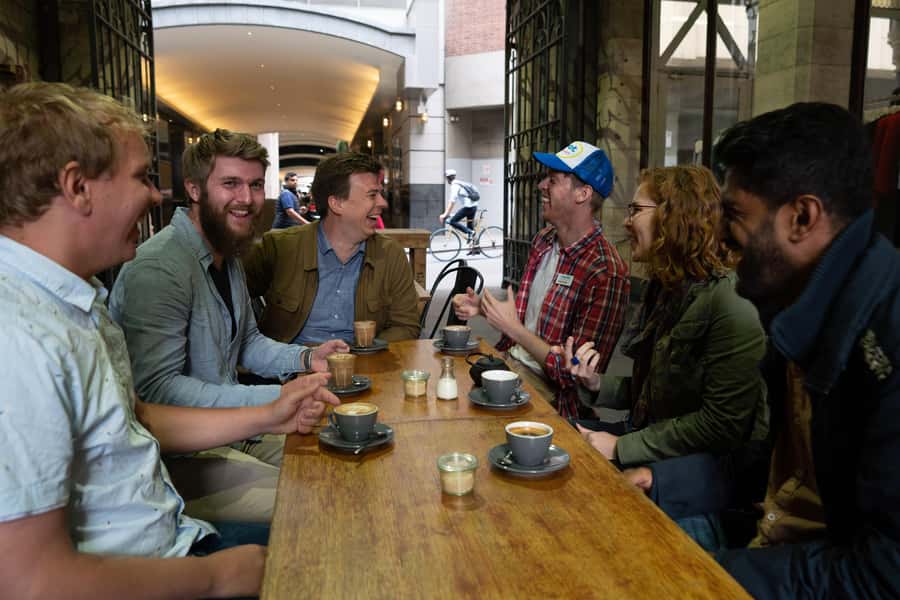
At Degraves Street you get your complimentary hot drink—flat white, long black, or hot chocolate—and the stop is guided (about 20 minutes). This is also a nice “reset” in the middle of the walk, so you can re-group before the arcades and lanes start stacking up again.
I like that the coffee stop doesn’t feel like an obligatory add-on. It’s framed as a window into daily culture—exactly the kind of local detail that helps you understand a city beyond headline attractions.
Arcades and arc-story shopping: Block Arcade, Royal Arcade, and Bourke Street Mall

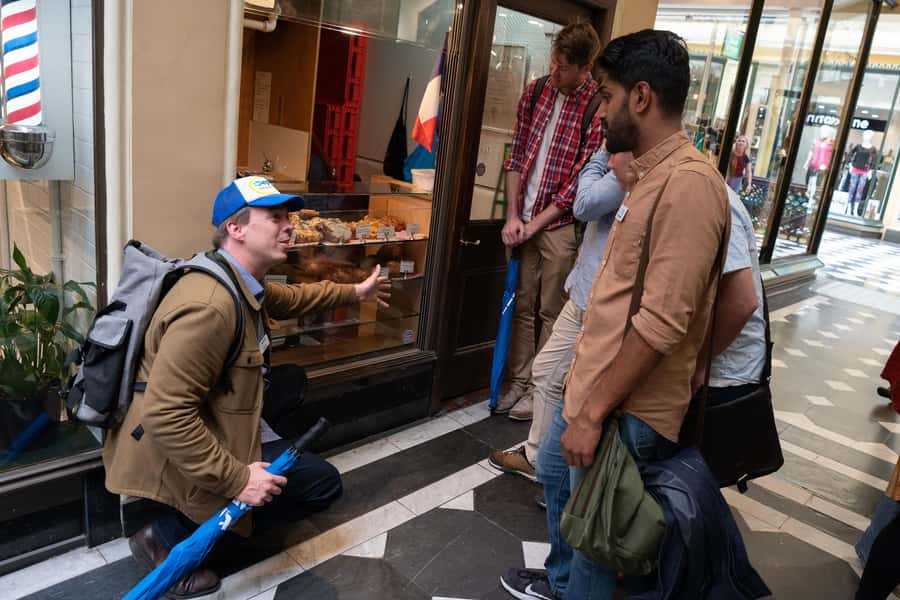
After coffee, the tour works through Melbourne’s classic covered shopping passages—Block Arcade and Royal Arcade—and then reaches Bourke Street Mall. These spots are worth it for more than shopping. They show how Melbourne built “indoors-to-outdoors” life into the city fabric, mixing Victorian design with everyday movement.
The guide’s job here is key. If you wander these arcades on your own, you might notice beauty and move on. With a guide, you’re more likely to spot architectural details and connect them to the bigger Gold Rush transformation story.
One consideration: these areas still involve walking and some uneven ground depending on where the group pauses. Wear shoes you trust on stone and stairs, especially if it’s a damp day.
Chinatown, State Library, and the Yarra River: layers of Melbourne in one loop
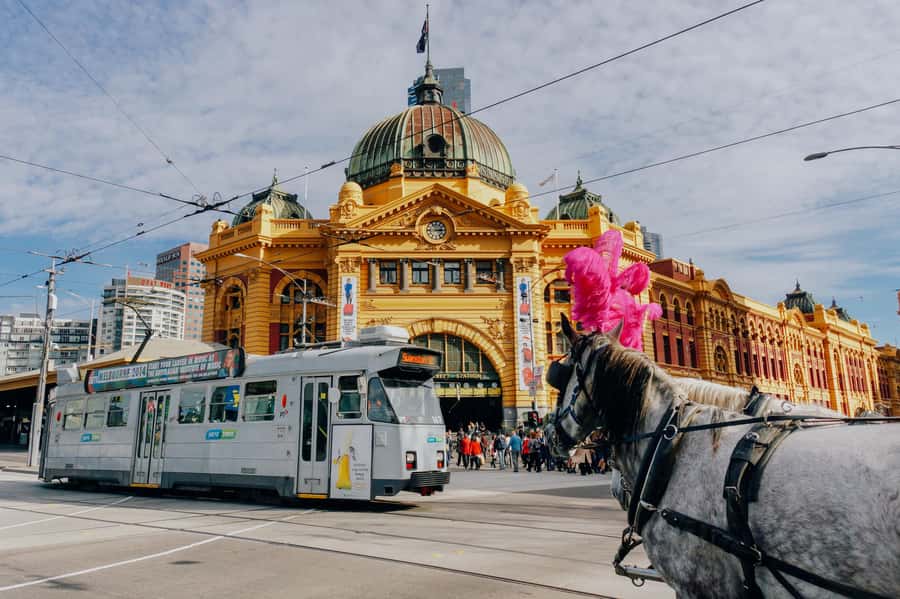
Next, you head through Chinatown, then to State Library of Victoria, followed by Yarra River sightseeing. This section is where the tour broadens out from Victorian landmarks into the city’s ongoing cultural mix.
You’ll get guided context at each stop—how Melbourne evolved and how different communities shaped what’s here now. The library stop adds a more reflective tone, while the river gives you space to look outward and understand how the city connects.
This is a good part to slow down mentally, even if your legs are still moving. The guide’s explanations make the CBD’s layout feel less random, more like an intentional city machine.
Old Melbourne Gaol to the Captain Melville finish: history with a drink in hand
Later in the tour, you visit Old Melbourne Gaol. This adds contrast to all the grand civic architecture earlier. It’s a reminder that “prosperous metropolis” came with real human stories, rules, and consequences—so the city’s history feels less like a pretty postcard and more like lived experience.
Then you finish at Captain Melville, after a guided stop at a local bar where you get your complimentary alcoholic beverage (house beer, wine, or cider) or a soft drink. This ending works because it’s social. You’re surrounded by the group, you can compare notes about which streets mattered most, and you’ve got that final boost of energy to keep exploring on your own.
If you want a practical souvenir from the tour, it’s the kind of local recommendations the guide shares for restaurants, bars, and attractions. You’ll likely walk away with a short list that makes your remaining days in Melbourne easier.
Price and value: what $91 buys you in 3 hours
At $91 per person for about 3 hours, this tour is priced like a premium experience, mainly because you’re getting more than a walk. You’re paying for a professional local English-speaking guide, a small group (max 12), and two paid-for perks: a complimentary coffee and a complimentary drink at the end.
The value piece for me is time. In a short window, you cover major landmarks (like Flinders Street Station and Federation Square) while also going where most people don’t naturally end up—laneways, arcades, and the stops that explain Melbourne’s culture. The guide also provides a free Melbourne map and tailored recommendations, which can save you time researching later.
It’s not the cheapest way to “see Melbourne,” but it is a cost-smart way to understand Melbourne. You’re buying context, pacing, and local guidance—then using the included drink and coffee as convenient anchor points.
Guides and pacing: why the tour feels personal
A lot of the praise centers on the guide’s style—humor, pacing, and the way they answer questions without making you feel rushed. You’ll hear names like Emily, Hugo, Beau, Ian, and Laura show up again and again in feedback, and the common thread is that they make the stories feel human, not dry.
Pacing also matters on this route. It’s easy for a city-walk to become a fast shuffle where you miss why places matter. Here, the stops are timed so you have a chance to look, ask, and still keep moving. Some people note it stays relaxed even when the group is curious and wants detours within reason.
Should you book this Ultimate Melbourne Walking Tour?
Book it if you want a strong first pass at Melbourne’s “main idea,” especially if it’s your first visit or you want a reset after doing a couple of standard sights. The combination of Gold Rush storytelling, street-art laneway time, coffee culture, and a pub drink finish is a great match for travelers who like cities with character and daily life.
Skip it or choose another option if long walking days and uneven ground are a problem for you. Also, if you prefer unstructured wandering with no guidance, this tour’s guided pacing might feel too organized.
If you do book, go in with one mindset: ask questions at each stop. This kind of tour pays off most when you treat it like a conversation, not a checklist.
More Tour Reviews in Melbourne
- Great Ocean Road Small-Group Eco Tour from Melbourne
★ 5.0 · 6,607 reviews - From Melbourne: Great Ocean Road, 12 Apostles, Wildlife Tour
★ 4.7 · 6,020 reviews - Laid back, Yarra Valley Wine Tour: Wine, Cider, Gin, Beer + Choc
★ 5.0 · 4,552 reviews - Great Ocean Road Reverse Itinerary Boutique Tour – Max 11 Guests
★ 5.0 · 4,186 reviews - Penguin Parade, & Wildlife Encounters Eco Tour from Melbourne
★ 5.0 · 3,774 reviews - Melbourne: Yarra Valley Wine, Gin, Whisky and Chocolate Tour
★ 5.0 · 3,667 reviews
More of Melbourne on Foot
- Ultimate Melbourne Walking Tour: History, Laneways & Culture
★ 5.0 · 1,451 reviews - Great Ocean Road Tour Plus Koalas, Forest Walk and Morning Tea
★ 4.5 · 1,068 reviews - Great Ocean Road 12 Apostles & Rainforest Walk with Morning Tea
★ 4.5 · 549 reviews - Melbourne Foodie Discovery Walking Tour
★ 5.0 · 530 reviews - Original Melbourne Lanes and Arcades Walking Tour
★ 5.0 · 389 reviews - Aboriginal Heritage Walk – Royal Botanic Gardens Victoria, Melbourne Gardens
★ 5.0 · 314 reviews
More Laneways and Walls
- Ultimate Melbourne Walking Tour: History, Laneways & Culture
★ 5.0 · 1,451 reviews - Melbourne’s Living Laneway Scene: Local Bars and Their Stories
★ 5.0 · 542 reviews - Original Melbourne Lanes and Arcades Walking Tour
★ 5.0 · 389 reviews - Melbourne Street Art Tour
★ 5.0 · 378 reviews - Melbourne Laneways Tour
★ 4.9 · 331 reviews - Melbourne Lanes & Arcades Chocolate and Dessert Walking Tour
★ 5.0 · 311 reviews
Fresh off the rank: Melbourne tours we have written up lately





Laneways & Street Art, side by side.
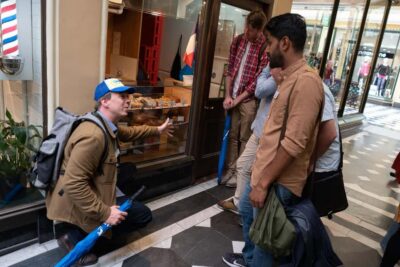 ★ 5.0Ultimate Melbourne Walking Tour: History, Laneways & CultureFrom $921,451 reviews
 ★ 5.0Melbourne’s Living Laneway Scene: Local Bars and Their StoriesFrom $63542 reviews
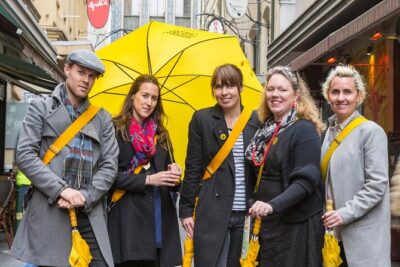 ★ 5.0Original Melbourne Lanes and Arcades Walking TourFrom $99389 reviews
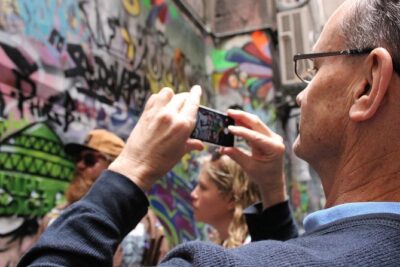 ★ 5.0Melbourne Street Art TourFrom $60378 reviews
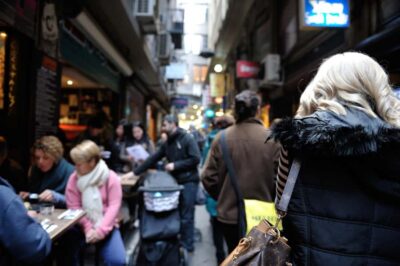 ★ 4.9Melbourne Laneways TourFrom $91331 reviews
 ★ 5.0Melbourne Lanes & Arcades Chocolate and Dessert Walking TourFrom $92311 reviews
 ★ 4.8Local Laneway Bars and Their StoriesFrom $63305 reviews
 ★ 5.0Melbourne Food Tour with 8+ Food Tastings in Hidden LanewaysFrom $116304 reviews
Browse the lists this tour appears in