
REVIEW · MELBOURNE BIKE TOURS
Electric Bike Tour of Melbourne
Melbourne by e-bike feels made for first-timers. This four-hour ride uses e-bike assist and keeps you on mostly off-road paths and parks, so the city feels doable even if you’re not a road-cycling person. I especially like how the guide-led stops are packed with context, from Indigenous history and war memorials to sport and street art.
Two things I really enjoyed: the route hits the big-name sights fast, and the history storytelling is frequent, not just a lecture at the start. One thing to weigh is that the tour can feel stop-heavy early on, and depending on your group it may include longer commentary pauses than you expect before you really settle into riding.
In This Review
- Key highlights (what you’re really buying)
- Price and logistics: how good is $85.35 for four hours?
- Meet your e-bike and settle into a safe pace
- Southbank honors and first bearings: where the ride starts
- Shrine of Remembrance: war memory with Indigenous leadership in view
- MCG and the sport capital angle that makes Melbourne feel alive
- Fitzroy Gardens and Cook’s cottage: a “small detail” that changes your view
- Parliament House: gold rush wealth explained where you can feel it
- Royal Exhibition Building: world fairs, ideas, and old-school civic pride
- North Fitzroy lunch stop: bring cash and enjoy a different vibe
- Chinatown and Hosier Lane: from old trade roots to modern street art
- Fed Square: the city’s first public square feeling
- Immigration Museum viewpoint: big picture history you can actually see
- What the guides do best (and why it matters)
- Where this tour shines, and where it might not fit
- Should you book the Electric Bike Tour of Melbourne?
- FAQ
- What’s the duration of the Electric Bike Tour of Melbourne?
- How much does the tour cost?
- What’s included with the tour?
- Do I need to pay for lunch?
- Where does the tour start?
- What time does the tour start?
- How many people are in the group?
- Are there admission fees for the stops?
- What’s the cancellation policy?
- Is the ride suitable for most travelers?
Key highlights (what you’re really buying)
- Electric assist that makes hills and distance feel easy while you stay on a bike-friendly route
- A small group size (max 10) that helps the guide keep everyone together and moving
- Guided stops tied to Melbourne’s identity: Kulin Nation land, Eureka Stockade, war memory, and sport
- Lunch in Fitzroy at a popular cafe area where you bring your own money
- Street-level variety in a short time from Chinatown and Hosier Lane to Fed Square and the Immigration Museum
Two wheels through Melbourne, a few more rides
- Famous Melbourne City Bike Tour★ 5.0 · 779 reviews
- The Best of Melbourne Bike Tour★ 5.0 · 671 reviews
- Electric Bike Tour of Melbourne★ 4.7 · 210 reviews
- Classic Melbourne Bike tour★ 4.8 · 69 reviews
Price and logistics: how good is $85.35 for four hours?
At $85.35 per person for about 4 hours, this tour prices itself as a “high value per hour” city experience. You’re paying for three things at once: a guide, an e-bike, and the time-saving ability to see far more than you could on foot in one afternoon.
The tour also uses a mobile ticket, and you meet right by the action at 20 Rebecca Walk (it finishes back there). Since there’s no hotel pickup, you’ll want to start your day with a clear plan for getting to the meeting point around 10:00am.
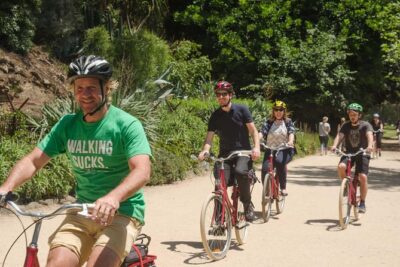
If you’re the kind of traveler who hates slow bus loops and long walking chunks, the e-bike matters more than it sounds. The ride is designed to be relaxing, with 95% off roads on safer bike paths and park paths, so you spend your energy on enjoying the sights—not white-knuckle traffic.
Meet your e-bike and settle into a safe pace
You get the e-bike and helmet included, which is the practical part that makes this tour work for a mixed group. The ride is paced for sightseeing: you’ll be stopping often, getting orientation, and learning your way through neighborhoods that feel different block to block.
I’d treat this as a “moving sightseeing tour,” not a fitness workout. One downside in the feedback loop is that some people wished they rode more minutes in a row instead of doing so many short stops right away. The good news: most of the route is set up so it doesn’t feel like you’re constantly dodging people. In plain terms, it’s built for comfort and flow.
Your best bet is to approach it with the right mindset:
- You’re going to move, stop, and listen.
- You’ll still cover a meaningful chunk of city in a half day.
- The e-bike means you can keep up without arriving exhausted.
Southbank honors and first bearings: where the ride starts
The tour begins at Southbank, cycling on lands connected to the Kulin Nation, with a welcome and respect for people and place. Right away, this is more than photo stops. It’s a gentle set-up for how Melbourne became Melbourne—who was here first, and how the city grew.
Why this matters: when a city’s history is only told as dates, it can feel random. Starting with land acknowledgment and early context helps you understand why later landmarks sit where they do, and why certain stories get emphasized.
Practically, this first segment is also where you’ll get into rhythm—bike handling, group spacing, and the guide’s style.
Shrine of Remembrance: war memory with Indigenous leadership in view
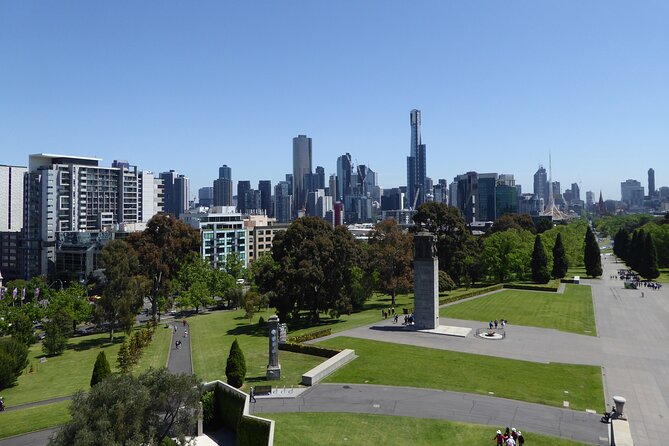
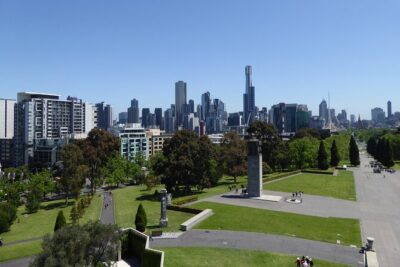
Next up is the Shrine of Remembrance, Victoria’s major war memorial. The stop is also used to spotlight William Barrack, described as an Aboriginal leader, activist, cultural ambassador, educator, and advocator for Aboriginal rights.
What I like about this stop is that it doesn’t treat history as separate drawers. The guide’s commentary ties war memory to broader identity and ongoing advocacy. It also keeps the ride meaningful without getting heavy in a way that would kill the day’s momentum.
Expect a short look and a focused explanation, not a full museum visit. Admission to this is free, and the stop duration is kept tight enough that you keep moving.
Other Melbourne outings that pair nicely with this one

MCG and the sport capital angle that makes Melbourne feel alive
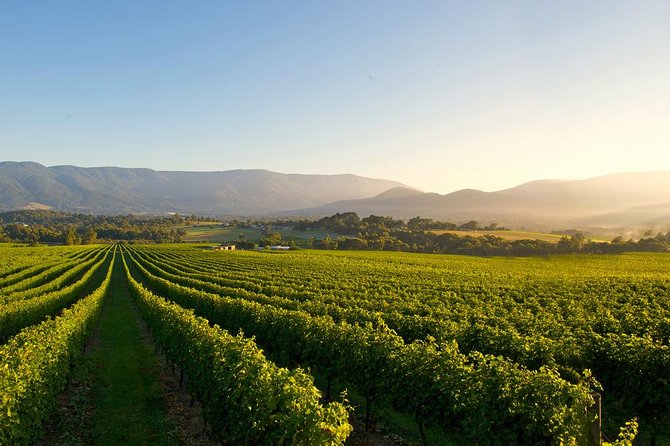
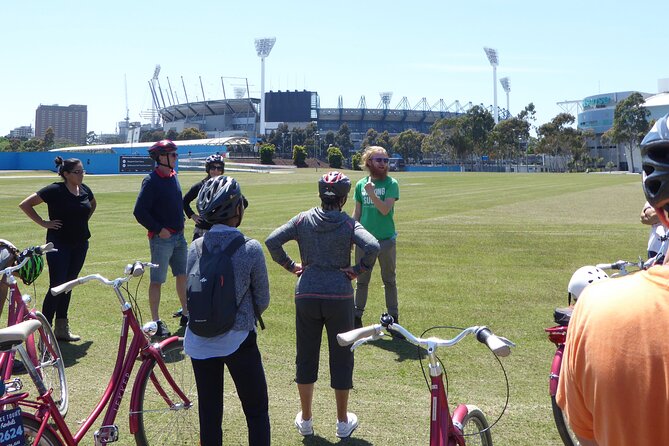
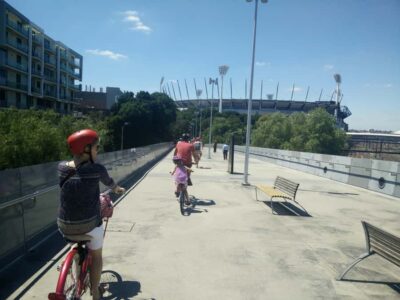
Then it’s the Melbourne Cricket Ground (MCG), with commentary that connects the stadium energy to Melbourne’s reputation as a sports-minded city. Even if you’re not a die-hard fan, it’s an easy place to understand local culture—because the stadium isn’t just a building, it’s a symbol of identity.
This is one of the stops that helps the tour feel like Melbourne and not just “another city skyline loop.” The guide’s explanation of why the sporting capital label sticks makes the city’s pride easier to read.
Fitzroy Gardens and Cook’s cottage: a “small detail” that changes your view
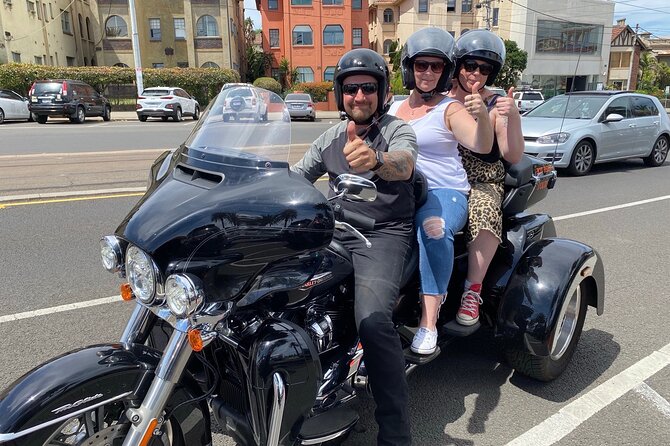
In Fitzroy Gardens, you’ll get a look at Cook’s cottage, rebuilt brick by brick after being shipped from England. This is the kind of landmark that’s easy to pass on foot without fully realizing what you’re seeing.
Why it hits: the cottage offers a tangible clue about how British settlement stories were brought into Australia. It’s also a calmer pause in the day—gardens let your brain rest between busier streets.
Parliament House: gold rush wealth explained where you can feel it
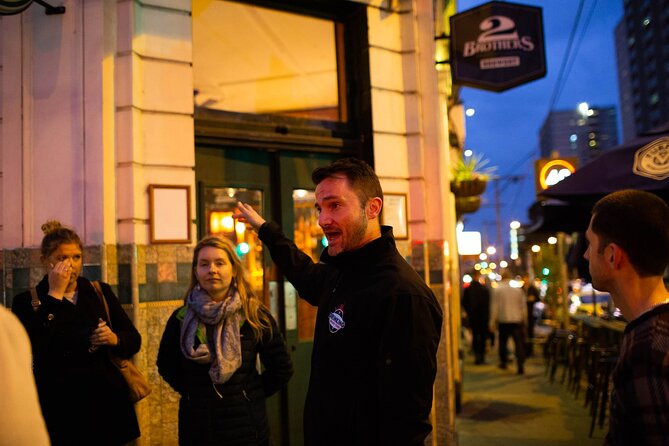
At Parliament House of Victoria, the guide frames the building as a statement of Melbourne’s wealth during the gold rush era, when the city ranked among the richest places in the world.
This stop helps you connect architecture to power. It’s not just “look at the facade.” It’s “why this city built this way,” and what that says about the moment in history.
Even with a short stop time, you get the meaning, and that makes the building easier to interpret later if you revisit.
Royal Exhibition Building: world fairs, ideas, and old-school civic pride
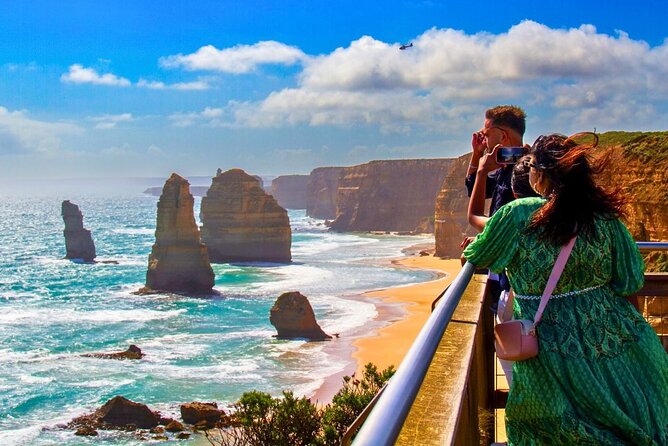
The Royal Exhibition Building is next, and you’ll learn why it mattered to the 19th-century international exhibition movement—where goods, technology, ideas, culture, and values were exchanged.
This is a great example of why guided context improves a city trip. Without a guide, you might see a historic building and move on. With the explanation, you understand it as a stage for global connections—then you can spot the bigger story in how Melbourne positioned itself.
North Fitzroy lunch stop: bring cash and enjoy a different vibe
At North Fitzroy Vintage, there’s time for lunch at one of the area’s favorite cafes. You’ll want to bring extra cash, because food and drinks aren’t included unless specified (and this lunch isn’t).
This is the neighborhood break that keeps the tour from feeling like a straight museum crawl. Fitzroy is known for its mix of street life, shops, and casual energy, and the lunch stop gives you a chance to watch how locals actually use the place.
One practical tip: if you know you have dietary needs, plan on choosing something that clearly fits you at the cafe. The tour won’t be “waiting for everyone” around a single meal schedule—you’ll pick your own.
Chinatown and Hosier Lane: from old trade roots to modern street art
You then roll into Chinatown, described as the second oldest in the world, established in 1851 in response to the gold rush. It’s a short stop, but it’s a good way to connect gold-era migration with what you can still see today.
After that comes Hosier Lane, famous for its bluestone lane and ever-changing art. If you like street art, this is where the tour gets current. If you don’t, it’s still a smart stop because it shows how Melbourne expresses identity in public space.
Fed Square: the city’s first public square feeling
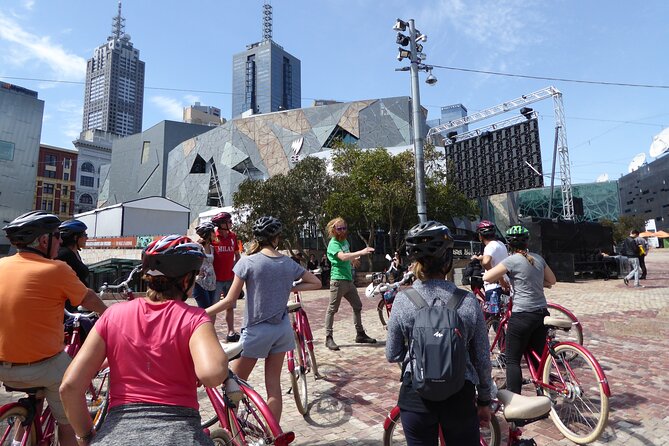
At Fed Square, you’ll enjoy the buzz around Melbourne’s first public square, in an architecturally designed area linking Flinders Street to the Yarra River, with nearby heritage buildings like St Paul’s Cathedral.
This is a place where Melbourne feels like Melbourne—busy but not chaotic, modern civic space next to older landmarks. The guide’s framing gives you a mental map for where you are and what’s around you if you want to keep exploring afterward.
Immigration Museum viewpoint: big picture history you can actually see
Finally, you’ll stop overlooking the Immigration Museum, with a message about immigration as a core part of modern Melbourne. The tour info notes that immigrants make up 50% of the population.
This ending works well because it pulls you from landmark-by-landmark facts into a bigger “how the city got here” perspective. It also nudges you to think beyond settler history and into how cultural mixing built today’s Melbourne.
What the guides do best (and why it matters)
The biggest praise across the experience centers on the guides and their ability to keep things engaging without losing accuracy. Names that come up include Freddie, Marcus, Al, Alan, and Avalon. What they share: clear instructions at the start, frequent informative stops, and a steady focus on keeping the group safe and together.
If you’re worried about learning curve, e-bike handling is part of what they manage. People who hadn’t ridden before still found the bike easy to operate after the initial instructions.
Guides also offer useful, practical next-step advice at the end—places to eat, where to wander, and what to look for if you’ve got an extra day in the city.
Where this tour shines, and where it might not fit
This is a strong match if you want:
- A first-time orientation to Melbourne’s major sights and neighborhoods
- An experience that’s mostly off-road and safer than typical city cycling
- Frequent context so you don’t just collect photos
- A short, active day that still feels relaxed thanks to e-bikes
It might be less perfect if you:
- Prefer fewer stops and longer uninterrupted riding time
- Want backstreet exploration to be the main event (this route is built around key landmarks and widely recognized areas)
- Are very sensitive to lots of early commentary before you get moving
Should you book the Electric Bike Tour of Melbourne?
Yes—if you want a smooth, efficient Melbourne introduction in one half-day, with e-bikes doing the heavy lifting. The value works because you’re getting guide-led history, a helmet and e-bike included, and a route that prioritizes safe paths while still covering a lot of city.
I’d book especially if you’re curious about Melbourne’s origins, Indigenous history, and how the city’s identity shows up in both big institutions and small street details like Hosier Lane. It’s also a smart choice when you don’t have much time and don’t want a bus day.
If you’re the type who hates stop-start pacing, plan to be patient at the beginning and lean into the idea that the stops are part of the experience, not a detour.
FAQ
What’s the duration of the Electric Bike Tour of Melbourne?
It runs for about 4 hours.
How much does the tour cost?
The price is $85.35 per person.
What’s included with the tour?
You get the bike tour with a guide, use of an e-bike, and use of a helmet.
Do I need to pay for lunch?
Lunch is not included. There’s a stop in North Fitzroy where you’re asked to bring extra cash for food.
Where does the tour start?
The meeting point is 20 Rebecca Walk, Melbourne VIC 3000.
What time does the tour start?
The start time listed is 10:00am.
How many people are in the group?
The tour has a maximum of 10 travelers.
Are there admission fees for the stops?
The stops listed include entries marked as free, and the tour notes an admission ticket free for the sights in the itinerary.
What’s the cancellation policy?
You can cancel for a full refund if you cancel up to 24 hours in advance of the experience start time.
Is the ride suitable for most travelers?
The information states most travelers can participate.
More Cycling Tours in Melbourne
- Famous Melbourne City Bike Tour
★ 5.0 · 779 reviews - The Best of Melbourne Bike Tour
★ 5.0 · 671 reviews - Electric Bike Tour of Melbourne
★ 4.7 · 210 reviews - Classic Melbourne Bike tour
★ 4.8 · 69 reviews - The Famous Melbourne City Bike Tour
★ 5.0 · 6 reviews
More Tour Reviews in Melbourne
- Great Ocean Road Small-Group Eco Tour from Melbourne
★ 5.0 · 6,607 reviews - From Melbourne: Great Ocean Road, 12 Apostles, Wildlife Tour
★ 4.7 · 6,020 reviews - Laid back, Yarra Valley Wine Tour: Wine, Cider, Gin, Beer + Choc
★ 5.0 · 4,552 reviews - Great Ocean Road Reverse Itinerary Boutique Tour – Max 11 Guests
★ 5.0 · 4,186 reviews - Penguin Parade, & Wildlife Encounters Eco Tour from Melbourne
★ 5.0 · 3,774 reviews - Melbourne: Yarra Valley Wine, Gin, Whisky and Chocolate Tour
★ 5.0 · 3,667 reviews
More of Melbourne by Bike
- Famous Melbourne City Bike Tour
★ 5.0 · 779 reviews - The Best of Melbourne Bike Tour
★ 5.0 · 671 reviews - Electric Bike Tour of Melbourne
★ 4.7 · 210 reviews - Classic Melbourne Bike tour
★ 4.8 · 69 reviews - The Famous Melbourne City Bike Tour
★ 5.0 · 6 reviews
Fresh off the rank: Melbourne tours we have written up lately





Melbourne Bike Tours, side by side.
 ★ 5.0Famous Melbourne City Bike TourFrom $100779 reviews
 ★ 5.0The Best of Melbourne Bike TourFrom $78671 reviews
 ★ 4.7Electric Bike Tour of MelbourneFrom $84210 reviews
 ★ 4.8Classic Melbourne Bike tourFrom $7769 reviews
 ★ 5.0Mornington Peninsula Self-Guided Bike Tour | Food & Wine RegionFrom $044 reviews
 ★ 5.0Mornington Peninsula guided e-bike tourFrom $8823 reviews
 ★ 5.0Yarra Valley Guided Bike Tour | Food & Wine RegionFrom $24919 reviews
 ★ 5.0The Famous Melbourne City Bike TourFrom $846 reviews
Browse the lists this tour appears in