
REVIEW · MELBOURNE BIKE TOURS
The Best of Melbourne Bike Tour
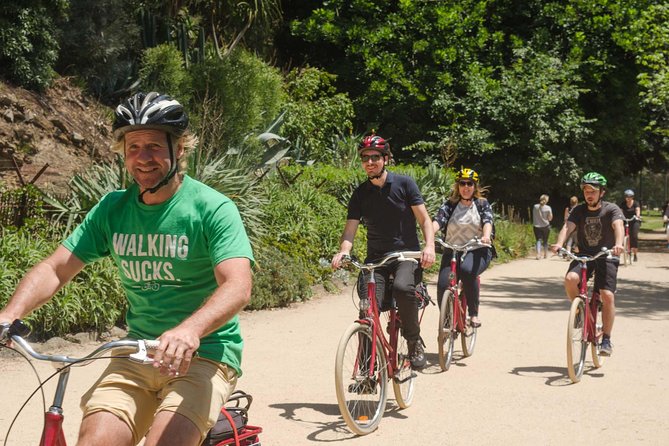
A bike makes Melbourne feel close. This guided loop mixes iconic landmarks, Aboriginal storytelling, and street-level art—on wheels. I love that the tour includes your bike and helmet, so you’re not stuck lining up rentals. I also like the mid-morning timing: you get great CBD sights, then an easy lunch window in Fitzroy without rushing.
One thing to plan for: lunch is on you. The Fitzroy stop is built in, and you’ll want to bring money. Also, while the ride is designed to be comfortable, seat comfort can vary—one rider even flagged that the bike saddle wasn’t ideal.
In This Review
- Key things to know before you go
- Why this Melbourne bike loop is such a smart first day
- Southbank to the Shrine and MCG: history, sport, and big-city scale
- Fitzroy Gardens and Parliament House: the gold rush and a rebuilt cottage
- Royal Exhibition Building to Fitzroy: where the day turns into lunch break mode
- Chinatown to Hosier Lane: gold-rush roots and Melbourne’s street art edge
- Fed Square and the Immigration Museum: how the city explains itself
- Price and value: where the $78.18 makes sense
- Guides, pacing, and comfort: what to watch for before you choose a bike
- Should you book the Best of Melbourne Bike Tour?
- FAQ
- What does the tour cost?
- How long is the bike tour?
- What’s included in the price?
- Is lunch included?
- Where does the tour start?
- How many people are in the group?
- What happens if weather is poor?
Key things to know before you go
- Max 10 riders keeps the group manageable and easier for the guide to track
- All the big landmarks, close together means less time in transit and more time sightseeing
- Aboriginal history is part of the route (including a stop linked to William Barrack and the Kulin Nation)
- Your lunch is optional but planned: Fitzroy is the built-in break, and you pay for food
- Weather matters since the tour is scheduled as a good-weather bike outing
- Guides set the safety tone with briefings that help even first-time cyclists feel steady
Get your bearings with more Melbourne sightseeing runs
- Melbourne: 2-Hour City Highlights River Cruise★ 4.1 · 1,804 reviews
- Melbourne: Yarra River Sightseeing Cruise★ 4.2 · 889 reviews
- Famous Melbourne City Bike Tour★ 5.0 · 779 reviews
- The Best of Melbourne Bike Tour★ 5.0 · 671 reviews
Why this Melbourne bike loop is such a smart first day
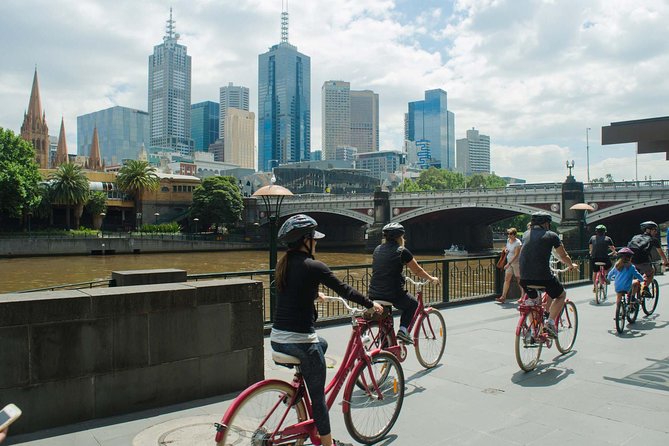
Melbourne is a city you can study at street level. That’s exactly what this tour is built for. You’ll cover far more ground than walking, but you’re still moving slowly enough to notice details: architecture, street art, and neighborhood mood. The route focuses on the city center and inner-city corners, so you get variety without needing to cross town repeatedly.
The value starts with what’s included. The price includes bike use and a helmet, which sounds basic until you’re actually standing in a rental line with bags and questions. Here, you show up, get rolling, and focus on the day. The other big win is the schedule. With a 10:00 am start and about 4 hours 30 minutes total, you’re not stuck doing a half-day at 7:00 am. You get a calmer morning ride, then a lunch slot that works for real people.
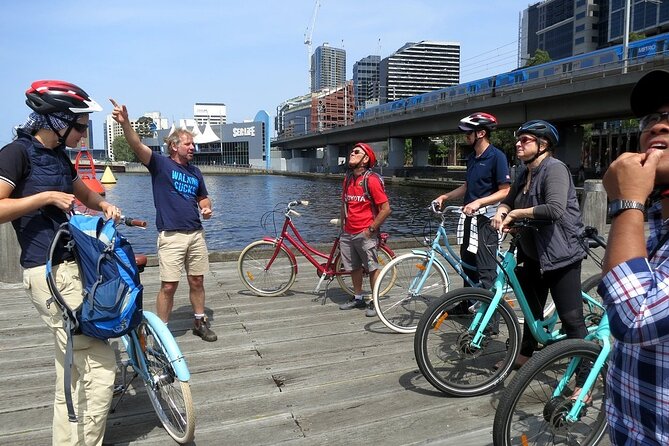
There’s also a practical ceiling on group size: up to 10 travelers. That usually means you don’t spend the whole tour waiting for stragglers. In the feedback, you’ll see repeated praise for guides keeping the group safe and together, which matters in city riding.
Southbank to the Shrine and MCG: history, sport, and big-city scale
You start on Southbank and quickly shift into a deeper way of seeing the city. The guide begins with a respectful acknowledgement to the people and environment of the Kulin Nation, noting that the land was never ceded. It’s not just ceremony—this framing sets the tone for how the rest of the route is explained.
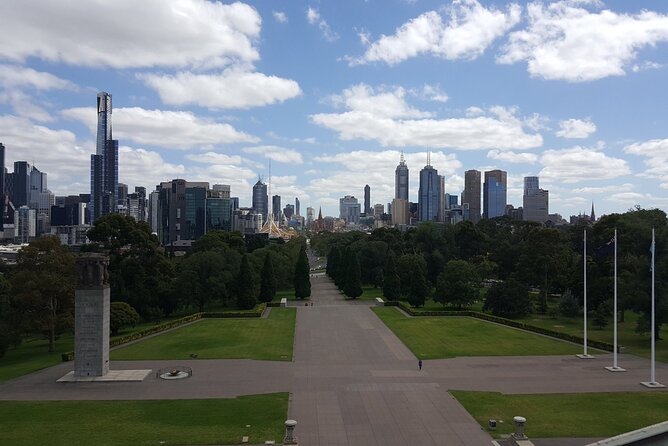
Then you roll past a heavyweight landmark: the Shrine of Remembrance. This stop is tied to both national memory and Aboriginal leadership, with mention of William Barrack (Aboriginal leader, activist, cultural ambassador, educator, and advocate for Aboriginal rights). If your usual sightseeing day is mostly plaques and photos, this one tries to give you the story behind the stone.
Next is the Melbourne Cricket Ground (MCG). Even if you’re not a hardcore sports fan, it helps to see how a stadium area shapes a city’s identity. One rider even noted spotting a bit of the tennis for free—those kinds of little moments are exactly why a guided stop works. The MCG isn’t just a building; it’s atmosphere.
The main “consideration” here is time at each location. Stops are short—think a few minutes to park the bike and listen. That’s ideal for a first pass, but if you like long, lingering museum time, you’ll probably want to come back later under your own steam.
Fitzroy Gardens and Parliament House: the gold rush and a rebuilt cottage
From the memorials, the route turns toward the softer, scenic side of the CBD. You’ll visit Fitzroy Gardens, and one of the highlighted moments is Cook’s cottage, shipped from England and rebuilt brick by brick in the gardens. Even if you’ve heard of it before, seeing it in context inside a working city park feels different than reading about it.
Then you bike to Parliament House of Victoria. Here the explanation is tied to wealth from the gold rush—Melbourne booming enough to build something that visually announces power and prosperity. It’s a useful lens because you start to recognize patterns: who had money, what they wanted to show, and how those choices still shape the skyline you walk through today.
This is a good stretch for people who enjoy architecture and the “why” behind buildings. The ride is steady, and because the distances between stops are short, you’ll feel like you’re stacking meaning instead of just collecting photo locations.
If there’s a drawback in this part, it’s that some people want a faster pace through the city. A couple of riders said the pace felt too slow for their taste. The flip side: slower can be easier on your legs and nerves when you’re sharing the road with cars and tram lines.
Royal Exhibition Building to Fitzroy: where the day turns into lunch break mode
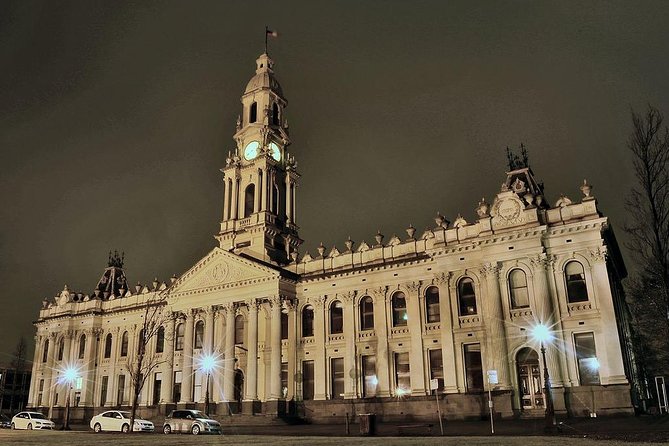
Next up is a big one: the Royal Exhibition Building. The stop is described as a still-functioning ode to the international exhibition movement of the 19th century—where people met to exchange goods, technology, ideas, culture, and values. That’s a mouthful, but on the ground it helps you see the building as more than a pretty landmark. It’s a reminder that Melbourne’s identity has long been shaped by visitors, trade, and new ideas.
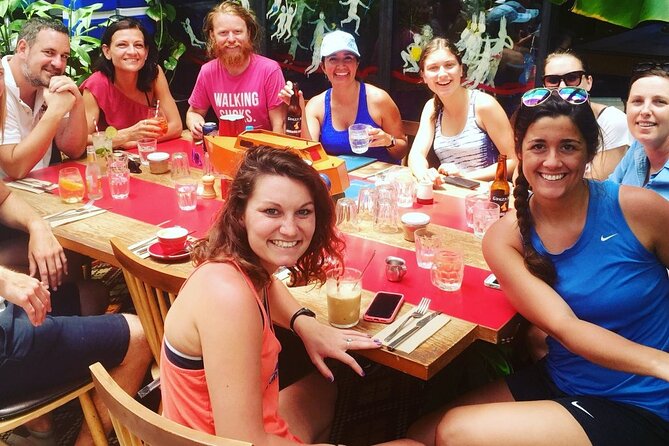
Then the tour shifts toward the real reason many people book: Fitzroy. You’ll get an hour for lunch in this eclectic neighborhood, and you’re expected to bring money for food. This isn’t a “snack stop.” It’s built as a full break, which makes the whole ride feel like a day out instead of a long commute with frequent stops.
A pattern shows up in the feedback: guides often recommend good places for brunch or lunch, and at least a few riders felt the cafe stop hit the spot. One guide name that comes up in the notes is Marcus, who was praised for a friendly, informed ride and a lunch stop that worked. Max also got kuded for bringing the group to a great lunch/brunch area and for sharing dinner suggestions afterward.
Here’s your practical tip: decide how you’ll handle timing. With a full hour, you can eat, regroup, and still have time for a quick wander. But if you’re the type who orders late, talks a lot, and then suddenly remembers you need to be back on the bike, you’ll want to keep an eye on the clock.
Two wheels through Melbourne, a few more rides
Chinatown to Hosier Lane: gold-rush roots and Melbourne’s street art edge
After lunch, the route leans into character and color.
First is Chinatown, described as the second oldest in the world and established in 1851 in response to the gold rush. This kind of stop works well on a bike tour because you’re not just reading history—you’re stepping into the streets where the story still lives. Even a short walk around the area helps you understand how migration and trade shaped Melbourne’s center.
Then comes Hosier Lane, famous for bluestone and street art. This stop is designed for your eyes more than your feet. You pull over, park the bikes, and look at murals that make the city feel modern and creative. One reason this lane pairs well with the rest of the tour is that it contrasts with the memorial and grand buildings earlier in the day. Melbourne isn’t only marble and monuments; it’s also paint and public expression.
A small but real consideration: if the art is wet from rain or you’re wearing shoe covers that hate slippery stone, you’ll have to be a bit careful. Not a big issue, just something to keep in mind when the weather doesn’t cooperate.
Fed Square and the Immigration Museum: how the city explains itself
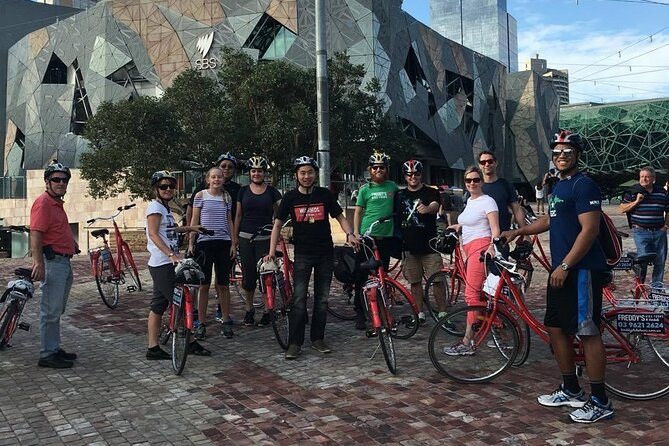
You finish with a classic Melbourne “here’s where everything connects” moment at Fed Square. The tour describes it as Melbourne’s first public square, designed to connect Flinders Street to the Yarra River, sitting among heritage neighbors like St Paul’s Cathedral. This stop is less about a single building and more about how the city moves—where crowds gather, where routes cross, and where you’ll likely end up walking later anyway.
Then you roll to the Immigration Museum, with the explanation framed through the eyes of immigrants who make up 50% of the population. You’ll also get views overlooking the museum area. Even if you don’t go inside, the framing helps you interpret Melbourne as a place built by people arriving, adapting, and reshaping what “home” means.
By the time you reach these last stops, you usually feel mentally oriented. That’s valuable. A good city tour doesn’t just entertain you for a few hours—it gives you a map in your head. After this, you’ll know where you are and what kind of Melbourne you like: sport, parks, grand civic buildings, art lanes, or immigrant stories.
Price and value: where the $78.18 makes sense
At $78.18 per person, you’re paying for a guided city experience with equipment. The biggest reason the math can work is the included bike and helmet, plus the guide’s route planning. If you’re arriving in a city day with no bike rental lined up, that alone can save you time and stress.
You’re also getting an efficient mix of viewpoints: Southbank, a major memorial, the MCG, royal exhibition space, a neighborhood lunch hour, Chinatown, Hosier Lane, Fed Square, and the Immigration Museum area. That’s a lot to do on foot without feeling like you’re cranking through distances.
The main “cost” is what isn’t included: food and drinks (unless specified). The Fitzroy lunch stop is part of the flow, but you bring your own wallet. So if you’re someone who wants the tour price to cover everything, you’ll want to budget for lunch ahead of time.
Weather and gear can also affect perceived value. The tour requires good weather, and the feedback includes a fully rainy experience where the ride still worked—but rain made communication harder. That means you should wear layers and plan for a damp day, even if the forecast looks okay.
Guides, pacing, and comfort: what to watch for before you choose a bike
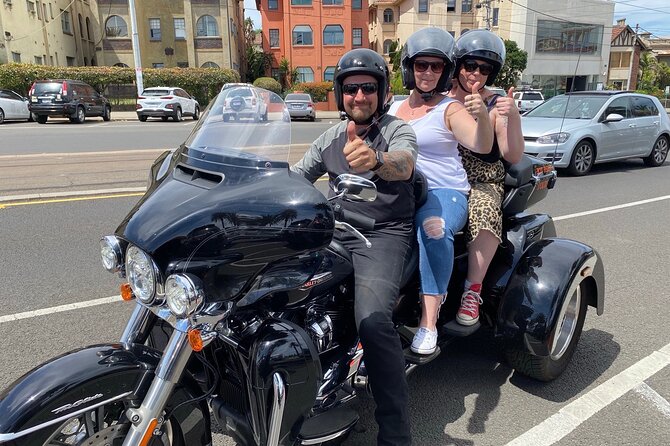
The biggest recurring praise in the feedback centers on guidance quality: safety briefings at the start, good group control, and guides who keep stories flowing while staying on top of traffic. Names that show up repeatedly include Freddy, Marcus, Max, Finn, and Matt. People highlight guides like Finn and Matt for pairing history with humor and making the ride feel safe and well-paced for different comfort levels.
Pacing is where people split a bit. Many say the ride is relaxed and great for sightseeing. A rider or two felt the pace was slower than they personally prefer. Think of it like this: if you want a steady, fast “get from point A to point B” ride, this may feel leisurely. If you want a conversation-heavy, stop-and-look kind of day, the pace is probably a win.
Bike comfort is also a variable. One rider specifically called out that bike seats weren’t comfortable. That’s not something you can fix on arrival, but you can control some prep: wear padded shorts if you have them, and ask staff to adjust fit if anything feels off.
Finally, bikes and support may include e-bike options on some departures. One rider mentioned being upgraded to e-bikes and another said they loved trying an e-bike for the first time. If you’re worried about hills or you want a less strenuous ride, it’s worth asking about e-bike availability when you book.
Should you book the Best of Melbourne Bike Tour?
Book it if you want a first-day overview that blends landmark stops with neighborhood texture. This is especially good for you if you like a guided storyline (including Aboriginal history touches like the Kulin Nation acknowledgement and the William Barrack reference) and you want your day to end with places like Fed Square and the Immigration Museum setting you up for the rest of your trip.
Pass or consider alternatives if:
- You want a fully self-contained food plan and don’t want to pay for lunch during the tour.
- You’re very sensitive to seat comfort.
- You prefer long, slow stops inside buildings rather than short bike-side pauses.
If your goal is a smart, efficient Melbourne orientation with a real local guide and a built-in lunch break, this one fits well. With an overall 4.9 rating and strong recommendation rate, it’s also the kind of tour that tends to work for a wide range of people—especially those who’d rather ride and learn than walk and guess.
FAQ
What does the tour cost?
The tour price is $78.18 per person.
How long is the bike tour?
It runs for about 4 hours 30 minutes.
What’s included in the price?
The tour includes use of a bicycle and a helmet.
Is lunch included?
Lunch and drinks are not included unless specified. The tour includes a lunch stop in Fitzroy, and you should bring money for that stop.
Where does the tour start?
The meeting point is 20 Rebecca Walk, Melbourne VIC 3000, Australia.
How many people are in the group?
The tour has a maximum of 10 travelers.
What happens if weather is poor?
This experience requires good weather. If it’s canceled due to poor weather, you’ll be offered a different date or a full refund.
More Tour Reviews in Melbourne
- Great Ocean Road Small-Group Eco Tour from Melbourne
★ 5.0 · 6,607 reviews - From Melbourne: Great Ocean Road, 12 Apostles, Wildlife Tour
★ 4.7 · 6,020 reviews - Laid back, Yarra Valley Wine Tour: Wine, Cider, Gin, Beer + Choc
★ 5.0 · 4,552 reviews - Great Ocean Road Reverse Itinerary Boutique Tour – Max 11 Guests
★ 5.0 · 4,186 reviews - Penguin Parade, & Wildlife Encounters Eco Tour from Melbourne
★ 5.0 · 3,774 reviews - Melbourne: Yarra Valley Wine, Gin, Whisky and Chocolate Tour
★ 5.0 · 3,667 reviews
More of Melbourne by Bike
- Famous Melbourne City Bike Tour
★ 5.0 · 779 reviews - Electric Bike Tour of Melbourne
★ 5.0 · 228 reviews - Electric Bike Tour of Melbourne
★ 4.7 · 210 reviews - Classic Melbourne Bike tour
★ 4.8 · 69 reviews - The Famous Melbourne City Bike Tour
★ 5.0 · 6 reviews
See More of Melbourne
- Melbourne: 2-Hour City Highlights River Cruise
★ 4.1 · 1,804 reviews - Melbourne: Yarra River Sightseeing Cruise
★ 4.2 · 889 reviews - Famous Melbourne City Bike Tour
★ 5.0 · 779 reviews - Hot Air Balloon Flights over Melbourne City (optional breakfast)
★ 5.0 · 403 reviews - Melbourne City and Williamstown Ferry Cruise
★ 4.0 · 356 reviews - Melbourne: City and Williamstown Ferry Cruise
★ 4.1 · 343 reviews
Fresh off the rank: Melbourne tours we have written up lately


Melbourne Bike Tours, side by side.
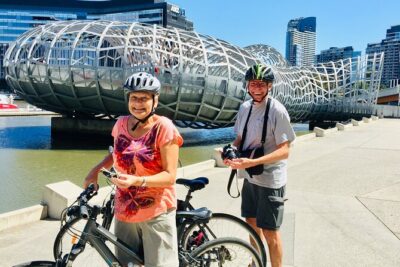 ★ 5.0Famous Melbourne City Bike TourFrom $100779 reviews
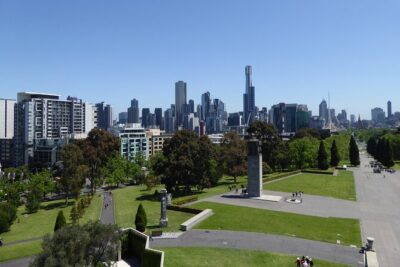 ★ 5.0Electric Bike Tour of MelbourneFrom $85228 reviews
★ 4.7Electric Bike Tour of MelbourneFrom $84210 reviews
★ 5.0Electric Bike Tour of MelbourneFrom $85228 reviews
★ 4.7Electric Bike Tour of MelbourneFrom $84210 reviews
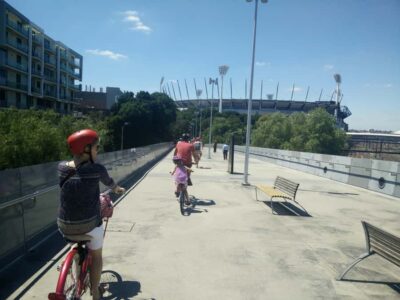 ★ 4.8Classic Melbourne Bike tourFrom $7769 reviews
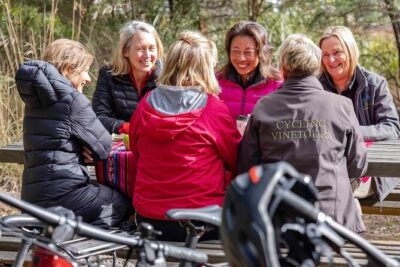 ★ 5.0Mornington Peninsula Self-Guided Bike Tour | Food & Wine RegionFrom $044 reviews
 ★ 5.0Mornington Peninsula guided e-bike tourFrom $8823 reviews
 ★ 5.0Yarra Valley Guided Bike Tour | Food & Wine RegionFrom $24919 reviews
 ★ 5.0The Famous Melbourne City Bike TourFrom $846 reviews
Browse the lists this tour appears in