
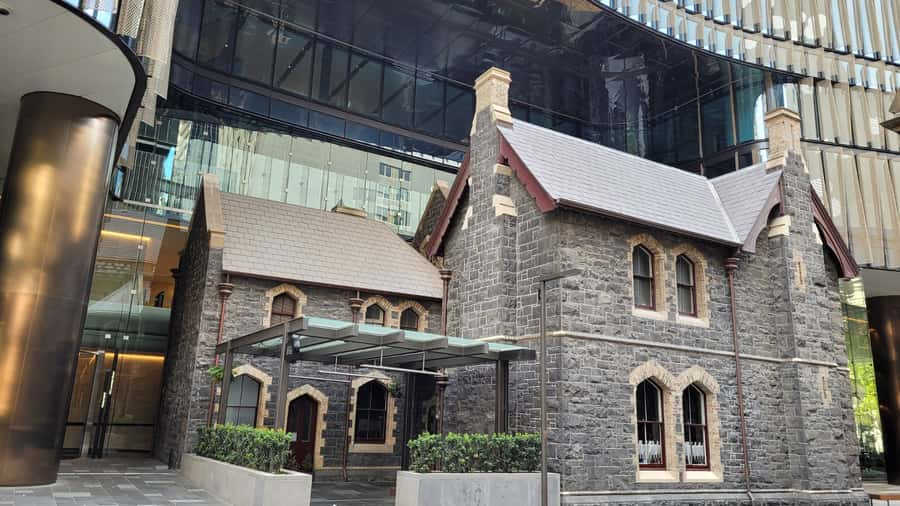
REVIEW · MELBOURNE WALKING TOURS
Icons of Melbourne Walking Tour
Melbourne shows its personality in every corner. This tour starts at State Library Victoria, where the dome and reading rooms set you up for stories from the gold-rush era. You’ll then link architecture, churches, and laneway street art to the city you see today.
I also like the small-group feel and the way the guide brings details into focus. If Rhonda’s on your departure, expect a friendly, energetic style that makes the landmarks, the history behind them, and the coffee/food stops feel personal.
One thing to plan for: there’s no storage for bags, and the tour is a steady 2-hour walk in typical Melbourne weather, rain or shine. Light luggage helps.
In This Review
- Key things I’d aim to catch on this Icons of Melbourne walk
- Starting at State Library Victoria: dome, reading rooms, and the gold-rush story
- Historic churches and Collins Street’s Paris End: faith, power, and community
- Laneways and street art at walking speed: Hosier Lane and ACDC Lane
- Coffee culture stop: why Melbourne became a coffee capital
- Learning the people behind the places: activists, artists, and everyday heroes
- Federation Square finish: where Melbourne’s past meets its modern attitude
- Price and what you’re actually getting for $68
- Pace, weather, and comfort: make the walk easier on yourself
- Who should book this Icons of Melbourne walking tour
- Should you book it
- FAQ
- Where does the Icons of Melbourne Walking Tour start?
- Where does it end?
- How long is the tour?
- What is the price?
- How big is the group?
- Is the tour wheelchair accessible?
- What language is the guide?
- Does the tour run in bad weather?
- Is there storage for bags during the walk?
- Are there flexible booking and cancellation options?
Key things I’d aim to catch on this Icons of Melbourne walk
- State Library Victoria’s dome and reading rooms as the story starter, not just a photo stop
- Historic churches like St Francis’ Church and the community stories behind them
- Street art laneways including Hosier Lane and ACDC Lane, with social commentary in view
- A local café or hidden bar stop, tied to how Melbourne became a coffee capital
- Collins Street’s Paris End and Swanston Street’s pop-culture pulse, side by side in one route
- Federation Square at the finish, where the old city story meets the modern one
Stretch the legs on more Melbourne walking tours
- Ultimate Melbourne Walking Tour: History, Laneways & Culture★ 5.0 · 1,451 reviews
- Great Ocean Road Tour Plus Koalas, Forest Walk and Morning Tea★ 4.5 · 1,068 reviews
- Great Ocean Road 12 Apostles & Rainforest Walk with Morning Tea★ 4.5 · 549 reviews
- Melbourne Foodie Discovery Walking Tour★ 5.0 · 530 reviews
Starting at State Library Victoria: dome, reading rooms, and the gold-rush story
Most Melbourne walks start with a building. This one starts with a statement: State Library Victoria. You meet near the steps on Swanston Street, and within minutes you’re in the orbit of the library’s grand dome and elegant reading rooms.
What I like here is the way the tour uses the library as a launchpad. You’re not only looking at architecture. You’re getting context for why this city grew the way it did. The tour connects early growth to the gold rush, explaining how that prosperity helped shape a settlement that attracted different people, ideas, and ambition.
Even if you’ve visited the library before, it’s worth doing this leg with a guide. You’ll notice more than “pretty building.” You’ll start to understand Melbourne as a place that builds culture in public spaces—then repeats that pattern over and over in other parts of the route.
Practical tip: get your water bottle ready early. The route has refill spots, but starting with a refill plan makes the next couple of hours feel easier.
Historic churches and Collins Street’s Paris End: faith, power, and community
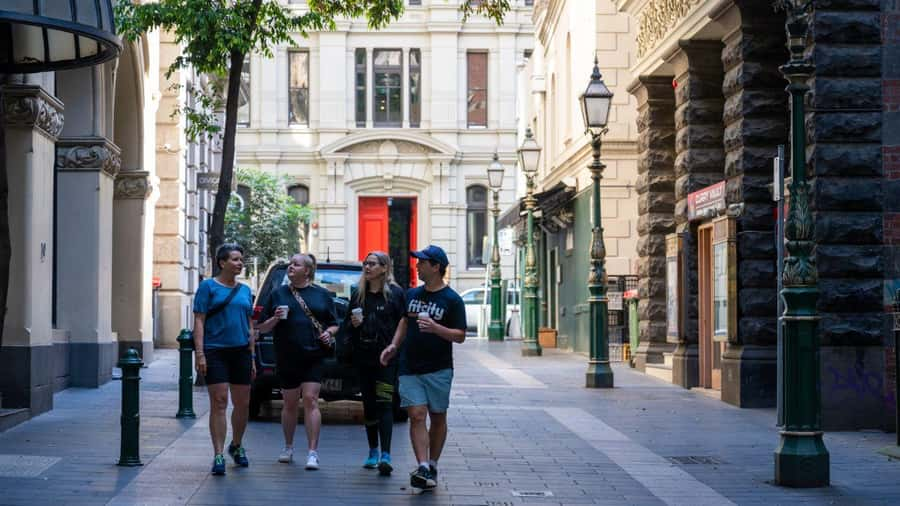
From State Library Victoria, you head into the inner-city mix of laneways, arcades, and main streets. This part of the tour is about contrast: quieter heritage buildings next to major shopping and business streets.
A standout stop is St Francis’ Church, described as the oldest Catholic church in Victoria. Instead of treating it like a landmark shell, the tour focuses on the communities that built and sustained these places. That’s the real value: you learn why people cared enough to raise those walls in the first place.
Then you shift toward Collins Street, specifically the stretch sometimes nicknamed the Paris End. The tour uses that grander streetscape to explain how Melbourne’s image has been shaped by wealth, taste, and long-term development—not only events.
This section is also where you’ll start hearing about influential Melburnians: activists, artists, entrepreneurs, and everyday heroes. No single name gets invented here. The point is broader—Melbourne’s identity isn’t a one-person story. It’s a pattern of people pushing culture forward from different angles.
If you’re the type who likes history, this stop sequence won’t feel like a textbook. The churches and the big streets teach the same lesson: Melbourne grows by communities, not just by buildings.
Laneways and street art at walking speed: Hosier Lane and ACDC Lane
After the main-street blocks, the tour turns you toward what Melbourne does best at street level: laneways. This is where the city’s creativity shows up fast.
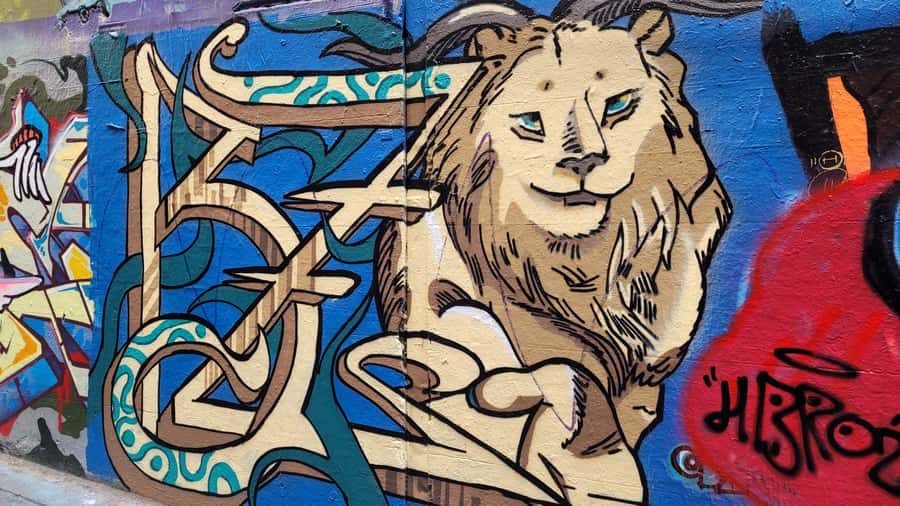
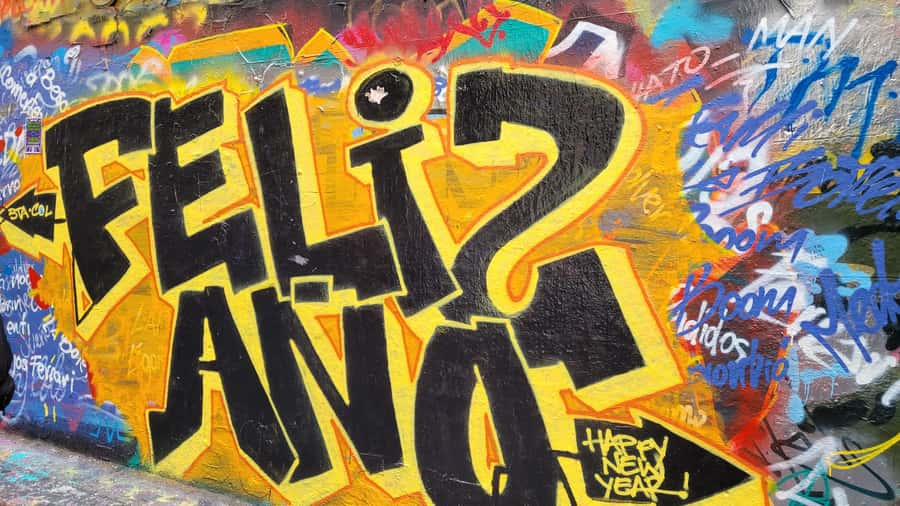
You’ll pass through laneways and arcades, and you’ll be encouraged to look closely at the details that crowds often miss. The tour highlights areas like Hosier Lane and ACDC Lane, famous for their street art and for the way it can carry social messages along with bold color and style.
Here’s what makes this more than a photo wander. You’re learning the “why” behind the artwork: it’s tied to the city’s continuing love of the arts and its willingness to let different communities speak through walls.
Also, walking at a guide’s pace matters. A self-guided wander can be chaotic—turning corners, missing context, taking too many steps with no payoff. With this tour, the route is planned to keep the story moving while still giving you time to look.
One small consideration: street art spots often mean uneven pavement and quick shifts from shade to sun (or back again). Wear shoes you can walk in for hours, not just “look cute in” shoes.
Coffee culture stop: why Melbourne became a coffee capital
Melbourne’s coffee reputation is not a slogan on a postcard. On this tour, you get a practical explanation for how the culture developed.
You’ll stop at a local café or hidden bar, with the timing built into the two-hour walk. The tour ties Melbourne’s café scene to its larger social shifts, including post-war migration and the rise of third-wave roasting.
What’s useful for you: the guide doesn’t just talk theory. You’ll get recommendations for where to go next after the tour. That matters in Melbourne, because the best spots aren’t always the ones with the loudest signage.
If you’re picky about coffee, this is also a good “taste-and-trust” moment. You can ask questions on-site—how locals drink it, what to order if you’re new to it, and where to head if you want something different later.
And if coffee isn’t your top interest, the stop still helps. It’s your reset point. Two hours moves quickly, and a planned break keeps the experience comfortable.




Learning the people behind the places: activists, artists, and everyday heroes
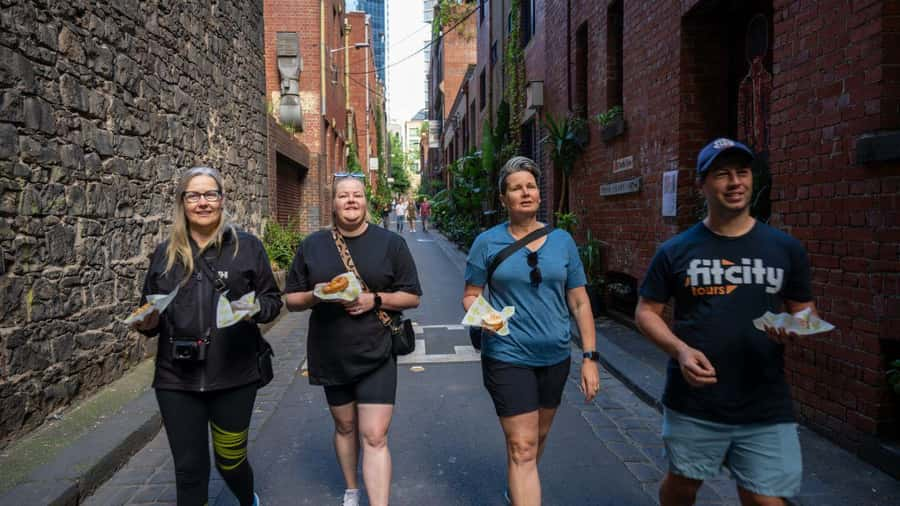
A lot of walking tours list buildings. This one connects buildings to people and motivations. That shift is what turns the walk into a city-lesson you can actually remember.
Across the route, the guide brings in influential Melburnians—activists, artists, entrepreneurs, and everyday heroes. You’ll hear how different groups helped shape Melbourne’s identity, not only in politics or big institutions, but in culture and daily life.
That theme matters because Melbourne’s “iconic” places often feel like they’re just background—until you understand who used them and what they stood for. The library becomes more than a landmark. The churches become more than architecture. The street art becomes more than decoration.
If you like being able to explain a city to friends, this is the kind of tour that gives you real talking points by the end. You’ll be able to say what you saw and why it mattered.
Federation Square finish: where Melbourne’s past meets its modern attitude
You end at Federation Square, at the corner of Swanston & Flinders Streets. It’s a fitting final point because it’s not a heritage relic. It’s a modern cultural precinct that signals where the city puts its energy now.
This closing stretch helps you “land” the tour. Up to this point you’ve traced a line from early growth and historic faith spaces to street-level art and coffee culture. Federation Square ties it together with a contemporary vibe—an ending that feels like Melbourne’s ongoing conversation with itself.
It’s also a practical finish. Federation Square sits in the same central zone as your earlier stops, so it’s easy to continue the day on foot or by public transport. (Nearby rail connections include Melbourne Central for the start and Flinders Street for the finish.)
Price and what you’re actually getting for $68
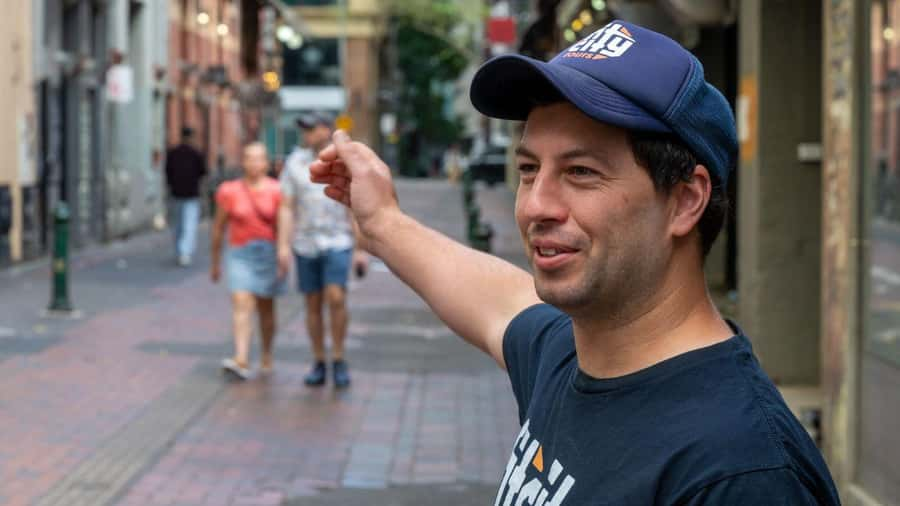
At $68 per person for a 2-hour walking tour, value depends on what you want out of the time. If your goal is a quick checklist of sights, you might find cheaper options. But if you want context, expert guidance, and direct recommendations, this price starts to make sense.
Here’s what you get that’s hard to replicate solo:
- A live English guide who connects the dots between landmarks, street art, and city identity
- Access to photos taken during the tour, which helps if you want to enjoy the walk instead of juggling your camera the whole time
- Insider tips on where to explore, eat, and drink after you finish
And the small group helps too. The tour is limited to 10 participants, which typically means fewer long waits and more room to ask questions. When you’re walking and hearing stories, that attention-to-you factor matters.
In short: for many visitors, $68 buys you time-saving context and a smoother route through the places that make Melbourne feel like Melbourne.
Pace, weather, and comfort: make the walk easier on yourself
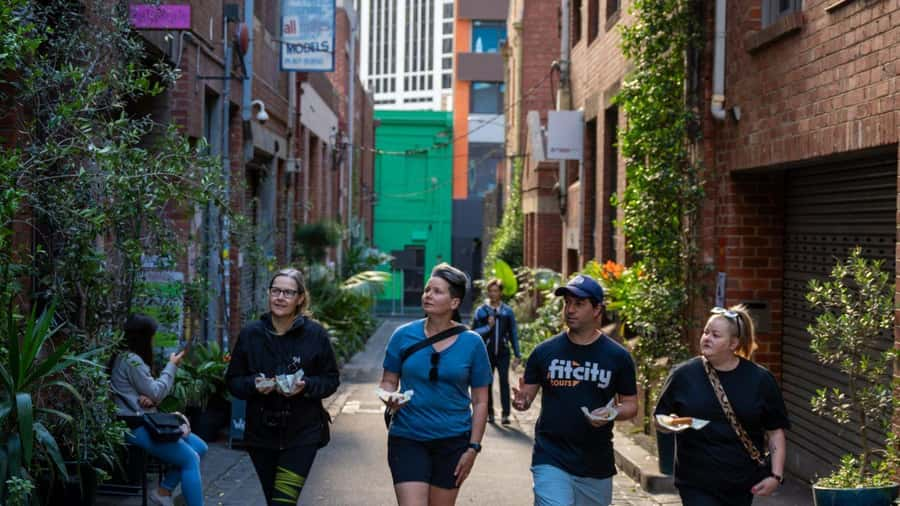
This tour runs rain or shine, so plan for real Melbourne weather swings. The tour is wheelchair accessible, and it’s designed for a general walking pace, but you still should dress like you expect to be outside.
My go-to checklist:
- Wear comfortable clothing and walking shoes
- Bring a water bottle for refill points along the way
- Don’t plan to store bags—there are no storage facilities, so travel light
Also, keep in mind it’s a guided route with multiple stops. If you’re carrying a lot of luggage, you may spend more energy managing it than enjoying the city.
If you’re someone who likes to end the day with energy left for dinner or a second wander, this tour’s 2-hour format is a good match.
Who should book this Icons of Melbourne walking tour
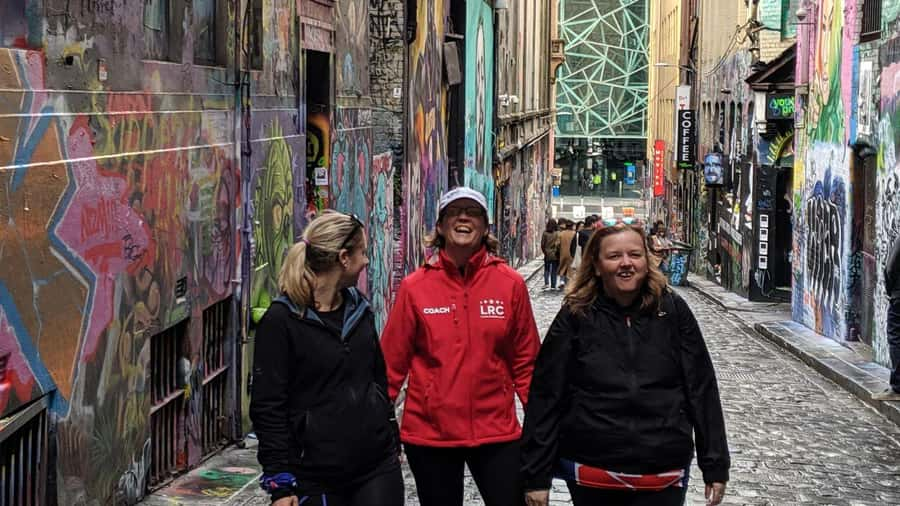
This is a strong pick if you:
- Want a first-time Melbourne orientation that goes beyond postcard views
- Love street art and want context, not just a “look at this wall” approach
- Care about coffee culture and like learning how it developed
- Like mixing architecture, churches, and city stories in one loop
- Want recommendations you can use later the same day
It’s also a good choice for mixed groups, since the content and pacing are balanced enough for different ages. If you’re going with friends who care about different things—history, art, and food—this format has something for each person.
Skip it if you:
- Don’t enjoy walking for about two hours
- Need heavy luggage storage (there isn’t any)
- Want a long, sit-down, food-focused day (this tour includes a café or bar stop, but it’s not a full meal crawl)
Should you book it
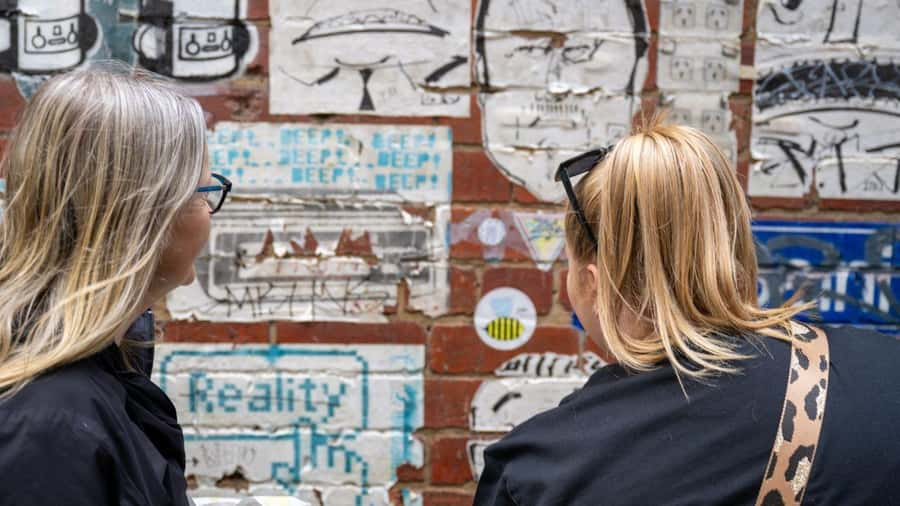
Yes, if you want Melbourne’s “iconic” side with the reason attached. For $68, you’re paying for guide-led storytelling, smart route planning through laneways and heritage streets, and practical food and drink leads after you finish at Federation Square.
Book it especially if you like the idea of starting with the State Library Victoria setting the tone, then shifting to St Francis’ Church, Hosier Lane/ACDC Lane street art energy, and ending where modern Melbourne keeps moving.
If you’re after a short, meaningful taste of the city with zero guesswork, this tour is an easy yes.
FAQ
Where does the Icons of Melbourne Walking Tour start?
The tour starts at State Library Victoria, meeting near the steps on Swanston Street.
Where does it end?
It concludes at Federation Square, at the corner of Swanston and Flinders Streets.
How long is the tour?
The duration is 2 hours.
What is the price?
The price is $68 per person.
How big is the group?
It’s a small group limited to 10 participants.
Is the tour wheelchair accessible?
Yes, the tour is listed as wheelchair accessible.
What language is the guide?
The live tour guide speaks English.
Does the tour run in bad weather?
Yes. Tours operate rain or shine.
Is there storage for bags during the walk?
No. There are no storage facilities for bags, so it’s best to plan accordingly.
Are there flexible booking and cancellation options?
Yes. You can cancel up to 24 hours in advance for a full refund, and you can reserve now and pay later (book your spot and pay nothing today).
More Tour Reviews in Melbourne
- Great Ocean Road Small-Group Eco Tour from Melbourne
★ 5.0 · 6,607 reviews - From Melbourne: Great Ocean Road, 12 Apostles, Wildlife Tour
★ 4.7 · 6,020 reviews - Laid back, Yarra Valley Wine Tour: Wine, Cider, Gin, Beer + Choc
★ 5.0 · 4,552 reviews - Great Ocean Road Reverse Itinerary Boutique Tour – Max 11 Guests
★ 5.0 · 4,186 reviews - Penguin Parade, & Wildlife Encounters Eco Tour from Melbourne
★ 5.0 · 3,774 reviews - Melbourne: Yarra Valley Wine, Gin, Whisky and Chocolate Tour
★ 5.0 · 3,667 reviews
More of Melbourne on Foot
- Ultimate Melbourne Walking Tour: History, Laneways & Culture
★ 5.0 · 1,451 reviews - Great Ocean Road Tour Plus Koalas, Forest Walk and Morning Tea
★ 4.5 · 1,068 reviews - Great Ocean Road 12 Apostles & Rainforest Walk with Morning Tea
★ 4.5 · 549 reviews - Melbourne Foodie Discovery Walking Tour
★ 5.0 · 530 reviews - Original Melbourne Lanes and Arcades Walking Tour
★ 5.0 · 389 reviews - Ultimate Melbourne Walking Tour: History, Laneways & Culture
★ 4.8 · 338 reviews
Fresh off the rank: Melbourne tours we have written up lately





Melbourne Walking Tours, side by side.
 ★ 5.0Ultimate Melbourne Walking Tour: History, Laneways & CultureFrom $921,451 reviews
 ★ 4.5Great Ocean Road Tour Plus Koalas, Forest Walk and Morning Tea1,068 reviews
 ★ 4.5Great Ocean Road 12 Apostles & Rainforest Walk with Morning TeaFrom $93549 reviews
 ★ 5.0Melbourne Foodie Discovery Walking TourFrom $92530 reviews
 ★ 5.0Original Melbourne Lanes and Arcades Walking TourFrom $99389 reviews
★ 4.8Ultimate Melbourne Walking Tour: History, Laneways & CultureFrom $91338 reviews
 ★ 5.0Aboriginal Heritage Walk – Royal Botanic Gardens Victoria, Melbourne GardensFrom $30314 reviews
 ★ 4.93-Hour Foodie Discovery Walking TourFrom $91313 reviews
Browse the lists this tour appears in