
REVIEW · MELBOURNE WALKING TOURS
Melbourne: Must-See Walking Tour With a Guide
Melbourne on foot can feel like a scavenger hunt—without the stress. This private tour is built around the places you actually want to see, from Federation Square to the street-art lanes, with a guide who helps you connect the dots as you go.
I especially like two things: you get a calm, private pace (so you can pause, take photos, and ask questions), and the route mixes big-name sights with side streets that shape what Melbourne feels like day to day.
One thing to keep in mind: the value depends a lot on the guide’s presentation. A few lower ratings pointed to guides who didn’t always provide enough historical or architectural context, even if they still got you around efficiently.
In This Review
- Quick hits before you go
- Getting Oriented at 15 Gisborne Street
- Old Treasury Building: where the city shows its money-and-politics side
- Hosier Lane and the Laneways: street art you can actually read
- Melbourne Skydeck and the view logic
- Federation Square and Flinders Street Station: the postcards, but with purpose
- Bourke Street Mall and Block Arcade: old-school shopping drama
- Chinatown: where the city shows its long connections
- Old Melbourne Gaol: bushranger stories and real atmosphere
- State Library of Victoria and Parliament: the civic spine
- ACDC Lane and the Yarra River: where the city relaxes
- The coffee stop and the pub finale: making time work for you
- Price and value: what you’re paying for
- What to wear and how to pace yourself
- Should you book this Melbourne walking tour?
- FAQ
- Where is the meeting point?
- How long is the tour?
- How much does the tour cost?
- Is the tour private?
- What is included in the tour price?
- Is food included?
- Which languages are available for the guide?
- Are pets allowed on the tour?
- What should I bring?
- Can I cancel for a full refund?
Quick hits before you go
- Hosier Lane street art: you’ll see why these laneways are more than backdrops
- Old Melbourne Gaol: bushranger stories in a stop that’s memorable even if you’re not a history buff
- Federation Square + Flinders Street Station: perfect photo-and-landmark combo without rushing
- Block Arcade and Bourke Street Mall: an eye-opener for Melbourne’s older-era shopping grandeur
- State Library, Parliament, and the Yarra River: the tour balances civic landmarks with city views
Stretch the legs on more Melbourne walking tours
- Ultimate Melbourne Walking Tour: History, Laneways & Culture★ 5.0 · 1,451 reviews
- Great Ocean Road Tour Plus Koalas, Forest Walk and Morning Tea★ 4.5 · 1,068 reviews
- Great Ocean Road 12 Apostles & Rainforest Walk with Morning Tea★ 4.5 · 549 reviews
- Melbourne Foodie Discovery Walking Tour★ 5.0 · 530 reviews
Getting Oriented at 15 Gisborne Street
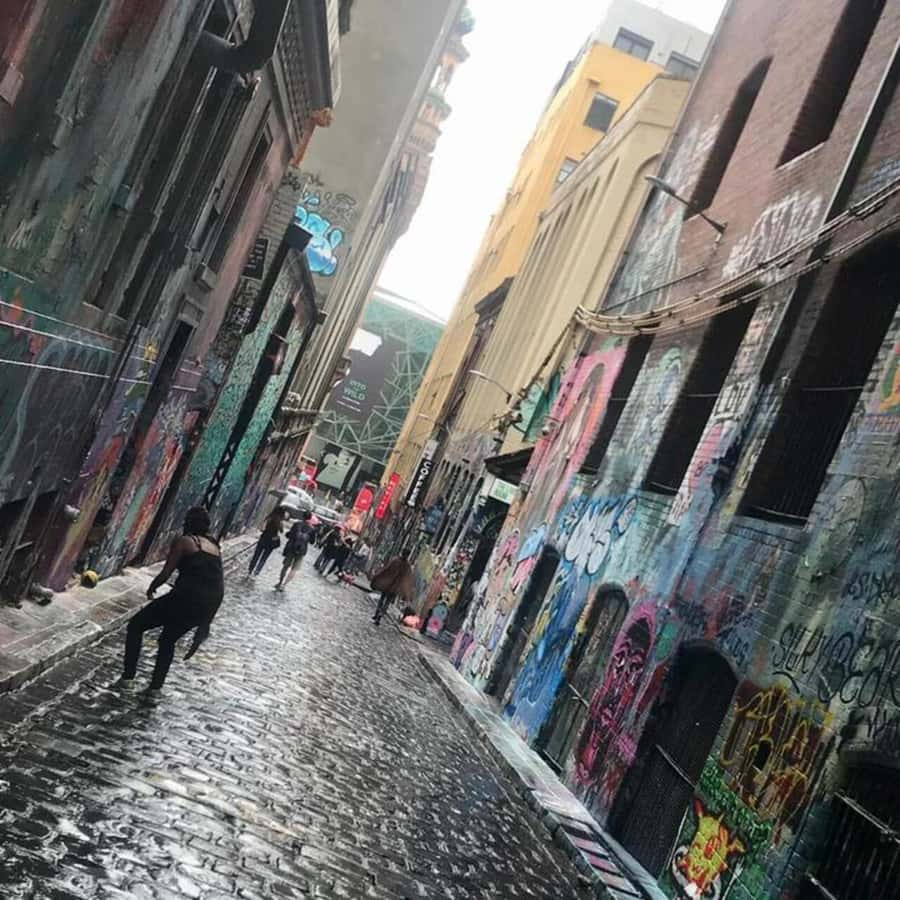
Your tour starts at 15 Gisborne Street, which is handy because it places you right where you can feel the city’s rhythm quickly—no long preamble, no “meeting somewhere random and hoping for the best.” From there, the whole format makes sense: a guided walk that’s not trying to beat you to the finish line.
You’ll also have public transport in the mix, which matters in a city like Melbourne. It keeps the route from turning into an all-day marathon, while still letting you see plenty on foot.
If you want to make the tour work hardest for you, come with two or three questions. For example: what’s worth seeing in the next 24 hours, and where do locals go for a good meal after the main sights? The tour is set up to hand you those kinds of leads, not just point at landmarks.
Old Treasury Building: where the city shows its money-and-politics side
One of the first big stops is the Old Treasury Building, and it sets the tone. This place isn’t just architecture for architecture’s sake—it’s a reminder that Melbourne’s rise wasn’t accidental.
Here’s what you can watch for as you go: the building’s presence is tied to the city’s early wealth and civic ambition. Even if you’re not a museum person, you’ll start noticing how often Melbourne uses grand buildings to explain itself.
The advantage of starting here is momentum. You get context before the tour swings into the art lanes and street-level neighborhoods, so later details feel more connected instead of random sightseeing.
Hosier Lane and the Laneways: street art you can actually read
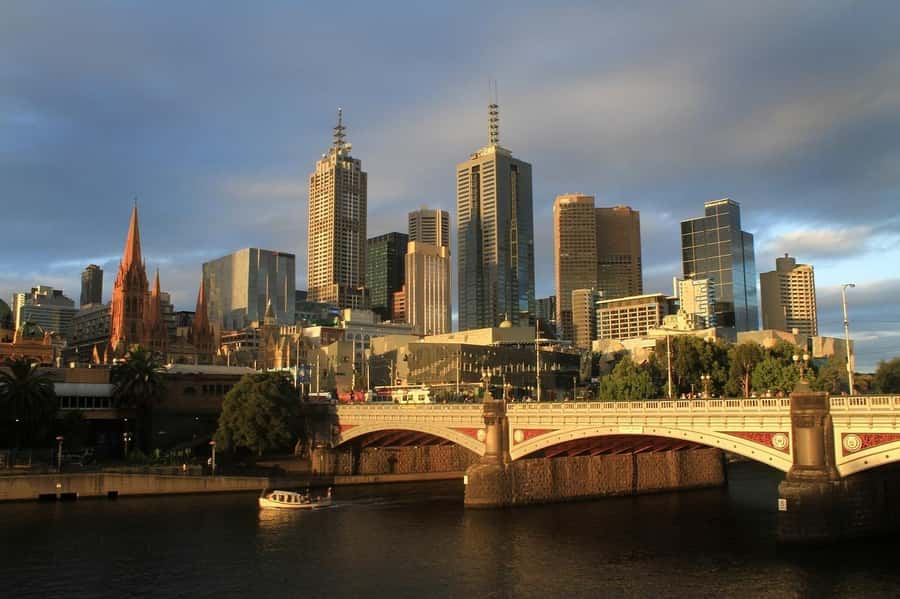
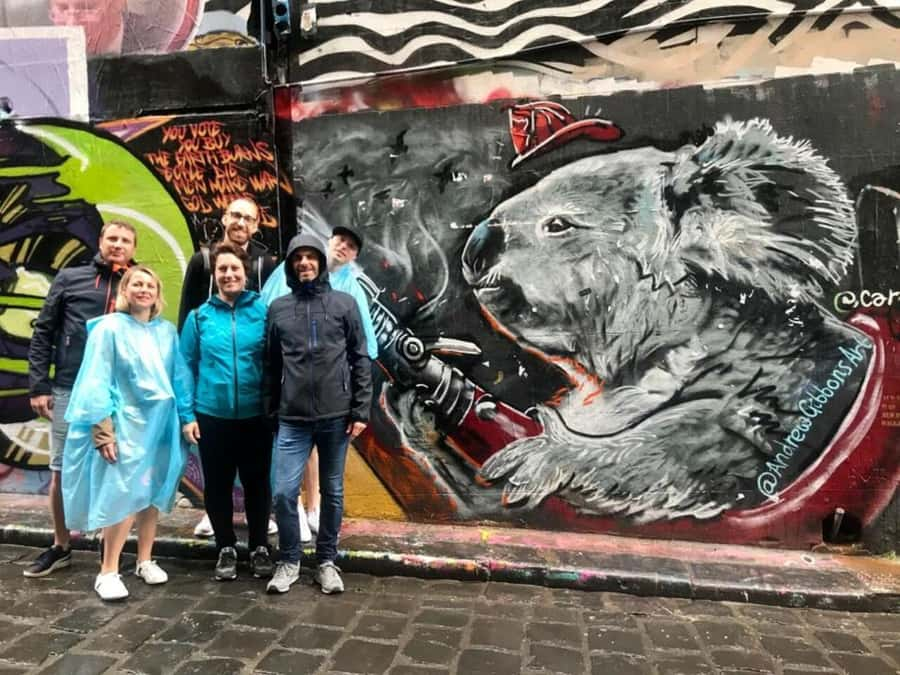
Next up is Hosier Lane, one of Melbourne’s best-known laneway experiences. The point isn’t only the photos (though yes, it’s a photo magnet). It’s how these lanes function like outdoor galleries—always changing, always reflecting what’s happening in the city.
What I like about this stop is that it’s not just visual. A good guide will help you understand the lane as part of Melbourne’s identity: art, attitude, and community space all in one narrow corridor.
You’ll also be walking past other laneway scenes, because Melbourne’s story is told in these connectors. If you like street-level travel—where you learn by moving—you’ll feel at home here. If you don’t like walking in tight spaces, wear shoes with traction and plan to move slowly.
Melbourne Skydeck and the view logic
The tour includes a stop at the Melbourne Skydeck area. Even if you don’t go to the top every time, the value is in the orientation. Elevated landmarks help you understand where things sit in relation to each other: why the river matters, how the city center connects, and how the blocks line up.
This is where your “so what?” questions can get answered quickly. A view can turn a confusing map into something you can remember. And Melbourne has enough landmarks that that mental map pays off later when you explore on your own.




Federation Square and Flinders Street Station: the postcards, but with purpose
Two of the most famous anchors on the route are Federation Square and Flinders Street Station. These stops are popular for a reason. You’ll see where crowds gather, where people meet, and where you can catch your bearings fast.
What makes this part of the tour more than standard sightseeing is how the route stitches them into a narrative. Federation Square feels like the city’s public living room—events, gatherings, and a sense of modern Melbourne. Then Flinders Street Station brings you back to the classic, big-station vibe that Melbourne does so well.
Practical tip: take your photos, yes—but also watch how people move. If you’re planning to use trams later, this is where you start to notice the easiest paths through the city center.
Bourke Street Mall and Block Arcade: old-school shopping drama
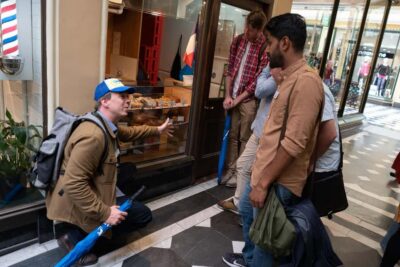
Then you hit Bourke Street Mall and Block Arcade. This combo works well because it contrasts open street energy with a more enclosed, heritage-style shopping experience.
Bourke Street Mall is where the city feels most like a living marketplace—busy streets, storefronts, and the kind of central bustle you expect from a major downtown. Block Arcade, though, is the curveball: it feels older, more “inside history,” with the kind of details that make you pause.
I like that this part of the tour helps you notice design and scale. Once you’ve seen Melbourne’s older arcade style, you’ll appreciate other laneways and passageways later, even when you’re not on a guided route.
Chinatown: where the city shows its long connections
Next is Chinatown. This isn’t only a food stop. It’s also a lens into Melbourne’s older immigration waves and cultural layering.
Even with limited time, the guide can help you spot what makes this Chinatown feel distinct—its layout, its street character, and the way it sits near the rest of the city without feeling like an isolated theme zone.
If you’ve got an appetite for a quick bite during your free time after the tour, this area is a smart place to circle back to. You’ll already have the orientation from the walk.
Old Melbourne Gaol: bushranger stories and real atmosphere
No Melbourne tour feels complete without Old Melbourne Gaol, and this is one of the main reasons people choose this route. It’s where the tour’s tone shifts from city-life sights to story-based history—especially around Australia’s infamous bushrangers.
This stop is powerful because it’s not just about names and dates. You walk through the setting and it does something to your imagination. Even if you prefer lighter travel, it’s hard for this place not to stick in your mind.
A practical caution: it’s still a walking tour overall, so if you’re sensitive to standing and reading in indoor spaces, pace yourself and take breaks as needed. Comfortable shoes matter here more than anywhere.
State Library of Victoria and Parliament: the civic spine
After the Gaol, you move toward the State Library of Victoria and the Parliament of Victoria. This is a good reminder that Melbourne isn’t only lane art and café culture. The city also has a civic identity—built in stone, governed in institutions, and reflected in public spaces.
If your guide gives context, you’ll likely connect the dots between why these buildings sit where they do and how the city organized itself as it grew. Even when you’re just passing by, these stops give your mental map structure.
This is also a spot where asking questions can pay off. If you want to understand how Melbourne thinks about public space and heritage, these are the landmarks to ask about.
ACDC Lane and the Yarra River: where the city relaxes
Then you reach ACDC Lane and the Yarra River. ACDC Lane is small, but it carries big energy—more of a playful, modern Melbourne vibe between larger landmarks. It’s a nice shift after the heavier civic buildings and the Gaol.
The Yarra River stop is the payoff for the walk. You get open-air space and a view that helps the whole day click into place. Rivers do that—they’re how cities organize themselves, even when the streets feel like they’re doing their own thing.
If you’re heading out afterward, this is also a great point to decide your next move: do you follow the river for a calmer walk, or do you use it as a guide back toward your favorite neighborhoods?
The coffee stop and the pub finale: making time work for you
About halfway through, you’ll take a coffee stop at your own expense. This is simple but smart. In a 3-hour tour, coffee isn’t a luxury—it’s reset time. It helps you keep your energy up for the next segments and gives you a chance to ask your guide quick follow-up questions.
At the end, you’ll conclude near Old Melbourne Gaol, and the guide will then point you toward a classic Australian pub option for relaxing afterward. The pub part matters because it turns your sightseeing into a real plan: you’ve already done the walking and the orientation, so now it’s time to eat, rest, and enjoy the city in a less structured way.
Just remember: food and drinks aren’t included, so budget for your own meal or drinks when you pick a place.
Price and value: what you’re paying for
At $64 per person for a 3-hour private walking tour, you’re paying for three things: time, guidance, and reduction of guesswork.
This isn’t cheap like a group bus tour, but it’s also not priced like a full-day private car and driver. The value hits best if you:
- want a structured route that covers key landmarks without you building one
- care about hearing explanations while you walk, not later while reading alone
- plan to explore on your own afterward and need the right starting context
Now, the one caution from the experience data is that guide skill varies. Some people rated it very highly because the guide was easygoing and pointed out details they wouldn’t have noticed otherwise. Others felt the guide didn’t provide enough history or architecture context.
So how do you protect yourself? Use the first 20 minutes to set expectations: ask what you’ll learn about the city’s development, and request a specific focus like architecture, street art meaning, or Melbourne’s growth during the Gold Rush era. If your guide can answer, you’re in good shape.
What to wear and how to pace yourself
This one is straightforward: wear comfortable shoes. The route is a walking tour, and even with public transport used along the way, you’ll still spend time on your feet.
For pacing, treat the tour like a guided walk plus a moving classroom. If something catches your eye—street art, arcade details, a building facade—pause. That’s part of the point: it’s private, so your timing doesn’t have to match a big group schedule.
And if the day is hot or rainy, plan your posture for it. Bring a layer if the weather shifts, and don’t try to speed through stops just to get photos faster. The best parts of Melbourne are often in the slow noticing.
Should you book this Melbourne walking tour?
I’d book it if you want a private 3-hour route that hits major landmarks and also walks you through the laneways and Chinatown without feeling rushed. It’s especially good if you’re the type who likes to understand what you’re seeing while you’re seeing it, then use that info right away.
I’d think twice if you’re picky about heavy history or architecture explanations and you tend to get impatient with tours that move fast but talk little. The tour can still be enjoyable for the sights, but you’ll get better results if you ask your guide early for deeper context and steer the conversation toward what you care about.
If you want Melbourne’s highlights plus practical next-step advice in a single morning or afternoon, this is a strong option.
FAQ
Where is the meeting point?
Meet your guide at 15 Gisborne Street.
How long is the tour?
The tour lasts 3 hours.
How much does the tour cost?
It costs $64 per person.
Is the tour private?
Yes, it is a private walking tour, and a private group is available.
What is included in the tour price?
The tour includes the private walking tour, a guide, and public transport.
Is food included?
No. Food and drinks are not included. There is a coffee stop where you pay at your own expense.
Which languages are available for the guide?
The tour guide is available in English, French, and Spanish.
Are pets allowed on the tour?
No, pets are not permitted.
What should I bring?
Bring comfortable shoes, since it is a walking tour.
Can I cancel for a full refund?
Yes. Free cancellation is available up to 24 hours in advance for a full refund.
More Tour Reviews in Melbourne
- Great Ocean Road Small-Group Eco Tour from Melbourne
★ 5.0 · 6,607 reviews - From Melbourne: Great Ocean Road, 12 Apostles, Wildlife Tour
★ 4.7 · 6,020 reviews - Laid back, Yarra Valley Wine Tour: Wine, Cider, Gin, Beer + Choc
★ 5.0 · 4,552 reviews - Great Ocean Road Reverse Itinerary Boutique Tour – Max 11 Guests
★ 5.0 · 4,186 reviews - Penguin Parade, & Wildlife Encounters Eco Tour from Melbourne
★ 5.0 · 3,774 reviews - Melbourne: Yarra Valley Wine, Gin, Whisky and Chocolate Tour
★ 5.0 · 3,667 reviews
More of Melbourne on Foot
- Ultimate Melbourne Walking Tour: History, Laneways & Culture
★ 5.0 · 1,451 reviews - Great Ocean Road Tour Plus Koalas, Forest Walk and Morning Tea
★ 4.5 · 1,068 reviews - Great Ocean Road 12 Apostles & Rainforest Walk with Morning Tea
★ 4.5 · 549 reviews - Melbourne Foodie Discovery Walking Tour
★ 5.0 · 530 reviews - Original Melbourne Lanes and Arcades Walking Tour
★ 5.0 · 389 reviews - Ultimate Melbourne Walking Tour: History, Laneways & Culture
★ 4.8 · 338 reviews
Fresh off the rank: Melbourne tours we have written up lately





Melbourne Walking Tours, side by side.
 ★ 5.0Ultimate Melbourne Walking Tour: History, Laneways & CultureFrom $921,451 reviews
 ★ 4.5Great Ocean Road Tour Plus Koalas, Forest Walk and Morning Tea1,068 reviews
 ★ 4.5Great Ocean Road 12 Apostles & Rainforest Walk with Morning TeaFrom $93549 reviews
 ★ 5.0Melbourne Foodie Discovery Walking TourFrom $92530 reviews
 ★ 5.0Original Melbourne Lanes and Arcades Walking TourFrom $99389 reviews
★ 4.8Ultimate Melbourne Walking Tour: History, Laneways & CultureFrom $91338 reviews
 ★ 5.0Aboriginal Heritage Walk – Royal Botanic Gardens Victoria, Melbourne GardensFrom $30314 reviews
 ★ 4.93-Hour Foodie Discovery Walking TourFrom $91313 reviews
Browse the lists this tour appears in