
REVIEW · MELBOURNE MUSEUMS & GALLERIES
Melbourne: SEA LIFE Aquarium Entrance Ticket
Penguins, crocodiles, and rays in one afternoon. I like the Pinjarra saltwater crocodile and the Antarctic penguins ice exhibit, and I also like that the attraction feels easy to plan for. One thing to keep in mind: a few areas can be closed on certain days, so your must-see might not be running at that moment.
This aquarium sits right in Melbourne’s CBD on the banks of the Yarra River, opposite Crown Entertainment Complex. That location matters. You can pair it with a walk along the river, grab lunch nearby, then come back to a packed indoor world of animal displays.
Plan for a solid chunk of time once you’re inside. The ticket is valid for 1 day, and you’ll likely want about 2–4 hours if you stop for the daily presentations and actually look at the smaller details (the kind your phone photos miss).
In This Review
- Key highlights worth circling before you go
- SEA LIFE Melbourne Aquarium tickets: price and real value
- Finding the aquarium: Flinders Street and King Street, right by the Yarra
- Before you enter: pick the timeslot and set expectations
- First stop strategy: entrance zone with big, early wow-factor
- Bay of Rays: sting rays up close
- Pinjarra the crocodile: Australia’s big wow moment
- Elephant sharks and seahorse paternity ward: the science-side of fun
- Ocean Invaders and the 2.2 million liter Oceanarium
- Antarctic penguins on ice: the crowd magnet
- Animal presentations, feedings, and that running commentary
- 4D cinema, touch pools, and hands-on extras
- Lay-out and pacing: how to move through 12 zones without getting lost
- Cafe reality check: food stops are good, but don’t count on perfection
- If you go without kids: can you still enjoy it?
- Should you book the SEA LIFE Melbourne Aquarium entrance ticket?
- FAQ
- How much is the SEA LIFE Melbourne Aquarium entrance ticket?
- What exactly is included with this ticket?
- Where is the aquarium located?
- Do I need to choose a specific entry time?
- How long is the ticket valid for?
- Are there animal feedings or presentations?
Key highlights worth circling before you go
- Bay of Rays for an up-close sting ray moment you can plan around
- Pinjarra, one of Australia’s largest saltwater crocodiles, plus chances to see it clearly
- The world’s only display of elephant sharks
- A walk through the seahorse paternity ward for a very different kind of fish story
- Antarctic penguins sitting among the King and Gentoo penguins on ice
- The big draw: the 2.2 million liter Oceanarium and times to feed the fish
More Melbourne museums and galleries to wander
- Melbourne: MCG and Australian Sports Museum Guided Tour★ 4.7 · 638 reviews
- ArtVo Immersive Gallery Experience★ 4.5 · 423 reviews
- SEA LIFE Melbourne Aquarium Admission Ticket★ 3.5 · 280 reviews
- MCG Tour & Australian Sports Museum★ 4.5 · 263 reviews
SEA LIFE Melbourne Aquarium tickets: price and real value

The entrance ticket costs about $28 per person, and for Melbourne, that price lands in the “reasonable day out” category—especially if you’re going in a group or you want a reliable indoor plan.
Here’s where the value comes from. You’re paying for a self-guided circuit across 12 zones with 10,000+ animals. That’s not just a bunch of tanks spaced around a hallway. The displays are built to keep you moving and returning to the same areas at different times (like feedings and short animal presentations). If you like wandering at your own pace, the ticket supports that style.
If you’re the type who only cares about one animal—say, penguins only—your experience can feel short. A few reviews picked up the idea that kids can burn through it quickly. So I’d say: build a plan around multiple highlights, not a single checkbox.
Finding the aquarium: Flinders Street and King Street, right by the Yarra
Your practical starting point is the corner of Flinders Street and King Street. SEA LIFE Melbourne Aquarium sits on the banks of the Yarra River, across from Crown Entertainment Complex.
Why I care about this detail: it makes the aquarium an easy plug-in to a day in the city. You’re not arranging a remote excursion. You’re already in the rhythm of Melbourne CBD—tram and walking friendly—then stepping into an indoor route that keeps you out of weather stress.
If it’s a busy day, the river-side setting can also mean you’ll see foot traffic building near the entrance. The upside is simple: you won’t feel “stuck.” There are plenty of places to reset before you step in.
Before you enter: pick the timeslot and set expectations
After you book, you’ll need to select a specific entry timeslot on the supplier website. That matters because it turns your day into something you should time, not something you just show up for casually.
Once you’re there, the experience is self-guided. You’re not locked into a long group itinerary. That’s good for flexibility, but it also means you’ll do better if you have a loose route in your head.
A helpful planning trick: decide which exhibit you care about most—rays, crocodile, penguins, or jellyfish—and then work outward from there. The aquarium is designed like a flowing sequence, but your energy will be higher if your “must-see” isn’t buried somewhere in the middle without a plan.
First stop strategy: entrance zone with big, early wow-factor
The entry area is built to grab you quickly. Even before you hit the major galleries, you tend to get first contact with eye-catching sea critters—think big showpieces right near the start.
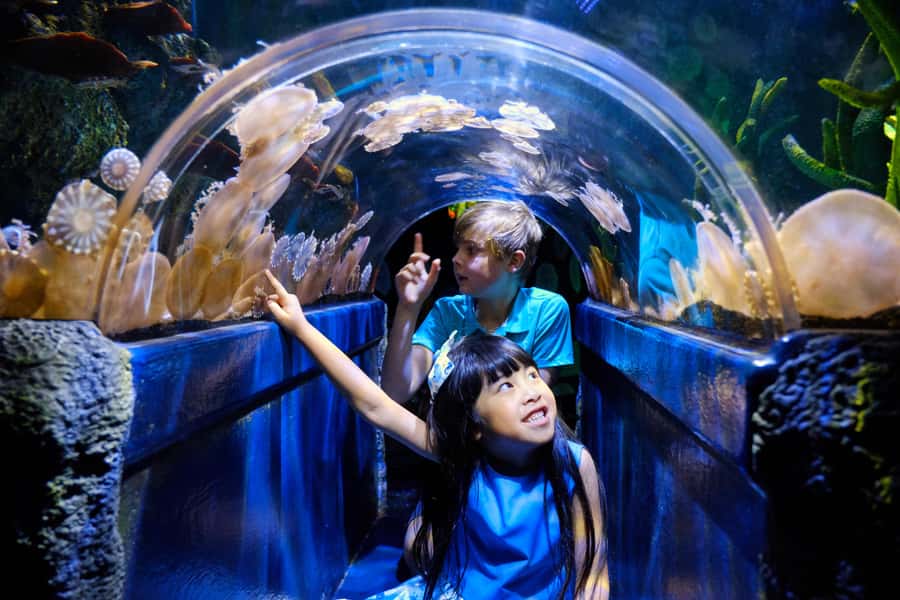
One detail I like from people’s firsthand notes: the early perspex tunnel can be a standout moment, and it’s especially good for getting oriented. You see a lot right away, and you understand the layout faster than you would just staring at signs.
There’s also a sense that the entrance area acts like a warm-up. If you’re with kids, it helps to settle the “where are the animals?” question early. If you’re an adult going solo or as a couple, it gives you a fast payoff before you commit time to the deeper zones.
Other Melbourne outings that pair nicely with this one

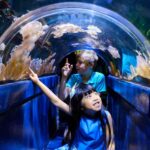



Bay of Rays: sting rays up close

The Bay of Rays is one of the highlights for a reason: sting rays are easy to get excited about, but the best part is how close you can feel to them in an aquarium setting.
This is also one of those areas where timing helps. The aquarium runs daily animal presentations, including shark and ray feedings. If you can catch a feeding or talk session, you’ll get more than just a “look at the animals” stop. You get the added context of what you’re seeing and how the animals behave around food.
Practical tip: keep an eye on signage for feeding times once you’re inside. Then decide whether you want to wait for a session or keep moving through the circuit. Either approach can work, but you’ll enjoy it more if you choose intentionally.
Pinjarra the crocodile: Australia’s big wow moment
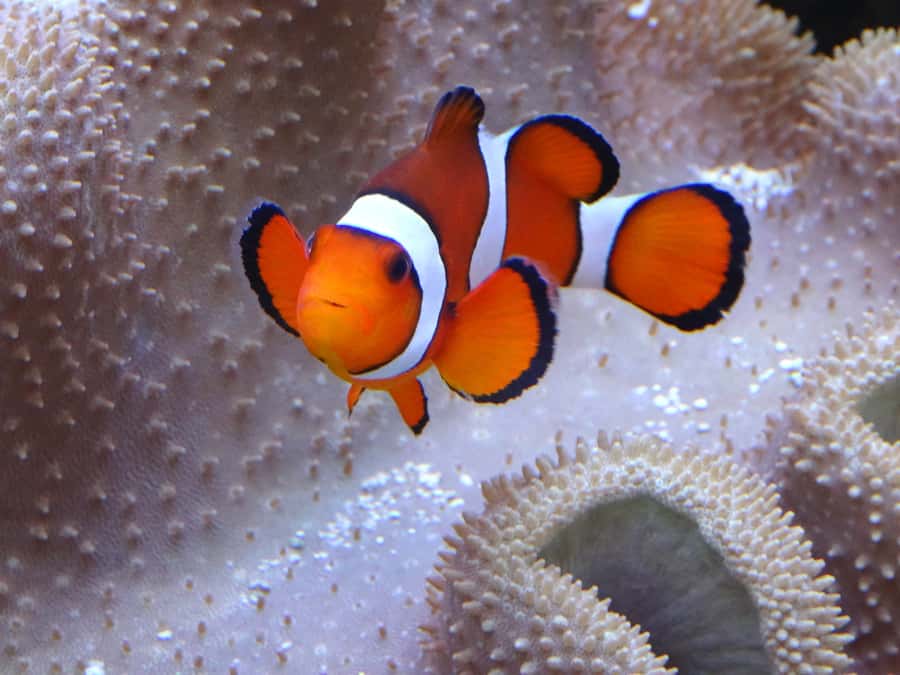
If you’re going to prioritize one animal, Pinjarra is a strong choice. SEA LIFE Melbourne Aquarium is home to one of Australia’s largest saltwater crocodiles, and it’s a central draw.
A practical consideration: if that’s your top target, don’t treat it as guaranteed. One review note said they missed seeing the crocodile, then staff helped by pulling pictures from their phone to show what to look for. That’s a reminder that animal visibility can vary by the day and the crocodile’s activity.
So your move: check the crocodile area more than once if you have time. Go through, look for a bit, then continue your route and come back. That simple pacing boosts your odds without turning your visit into a frantic scavenger hunt.
Elephant sharks and seahorse paternity ward: the science-side of fun
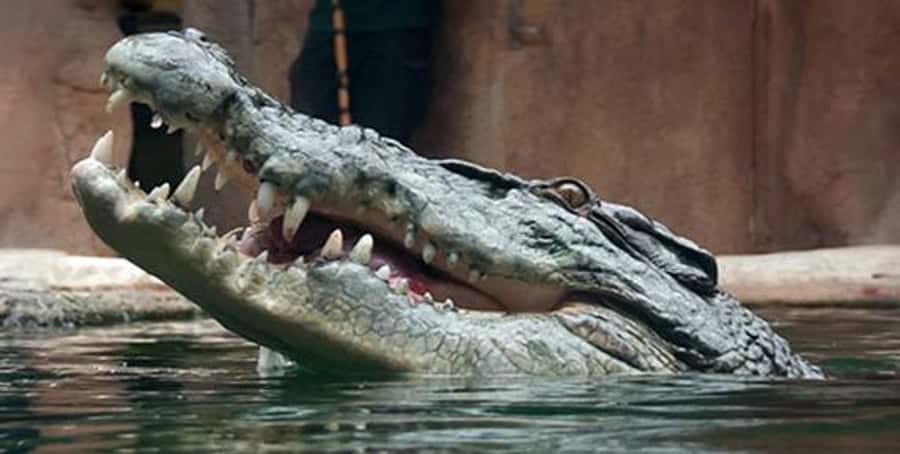
Not every aquarium is willing to get a little weird—in a good way. SEA LIFE Melbourne leans into the “learn while you look” approach through exhibits built around specific animal stories.
Two highlights worth planning for:
First, the world’s only display of elephant sharks. If you’ve never seen elephant sharks before, this is a rare chance to connect a name to an actual animal, not just a textbook image. It’s the kind of display that makes you pause and read a little longer.
Second, the seahorse paternity ward. Seahorses are already unusual, but the idea of a paternity ward gives you a built-in storyline. It turns a tank visit into a quick lesson about how these animals live and reproduce—without turning the day into homework.
If you’re traveling with kids, these zones can be a perfect break from the louder, higher-energy exhibits. If you’re traveling as adults, these are the spots that make the visit feel more than a gimmick.
Ocean Invaders and the 2.2 million liter Oceanarium
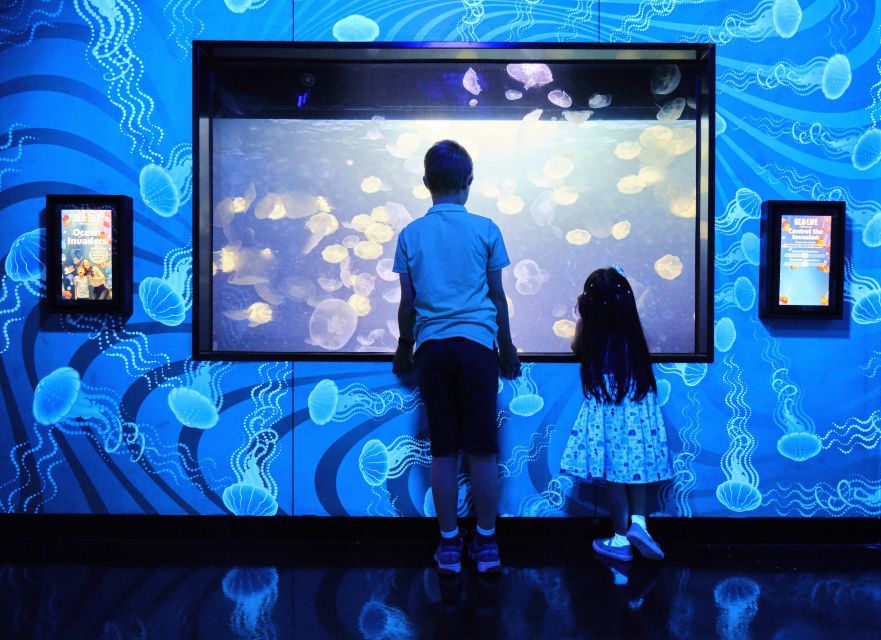
This is where the scale hits. SEA LIFE Melbourne includes a massive Oceanarium holding 2.2 million liters, and it’s designed to be a centerpiece.
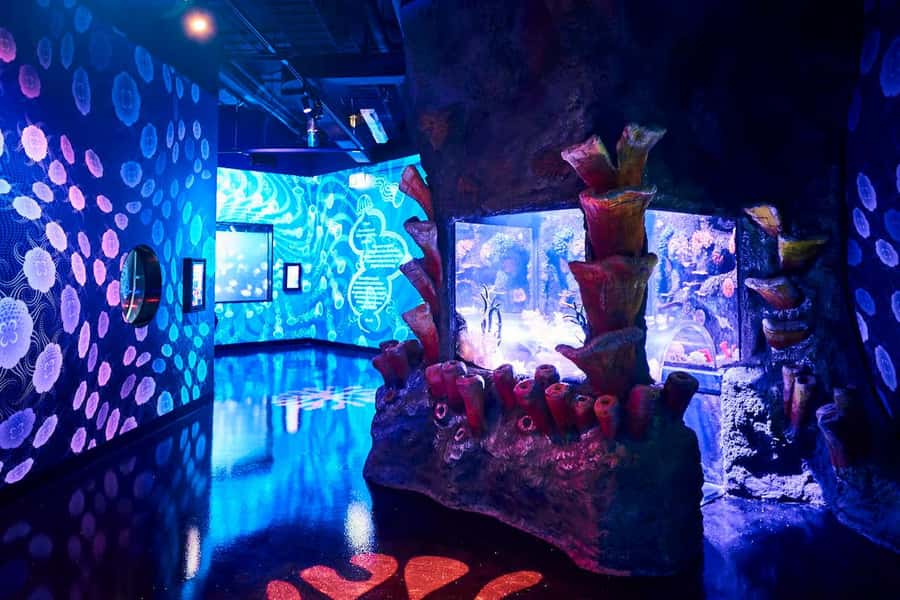
You’ll also find the Ocean Invaders exhibit, built around the mysterious world of jellyfish. Jellyfish can feel “just floaty” if you’ve never seen them up close in a dedicated display. In a good aquarium layout, though, you start noticing how the light, movement, and tank design shape what you see.
You’ll also want to time at least part of your visit around feedings. One of the stated highlights is feeding the fish from the top of the Oceanarium. That’s a moment that changes the whole mood of the space: instead of slow animal watching, you get action, attention, and the “oh right, this is a living system” effect.
If you prefer calmer viewing, you can still enjoy these zones between sessions. Just avoid treating every area like it’s constant peak action. The show peaks at certain moments, and that’s normal.
Antarctic penguins on ice: the crowd magnet
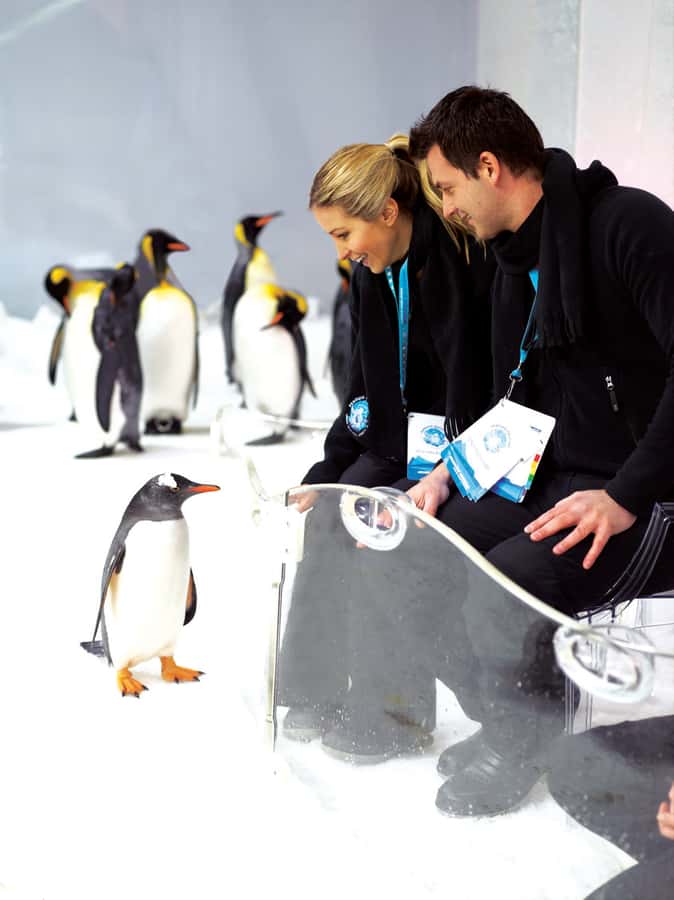
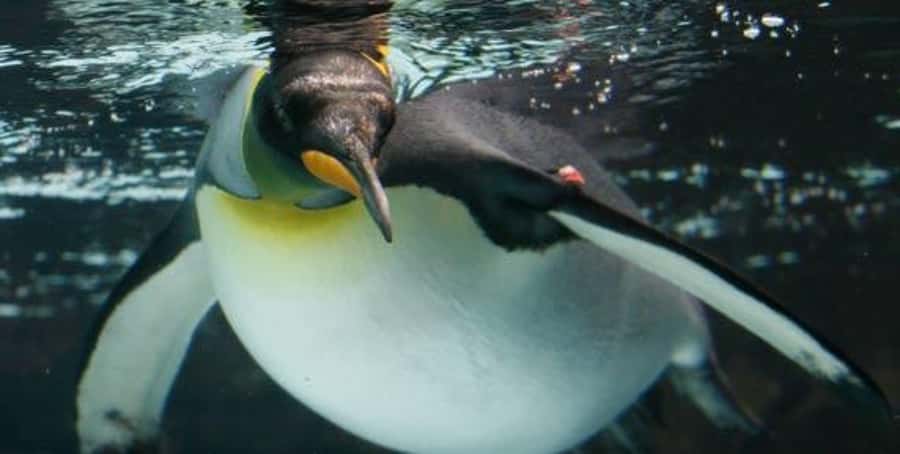
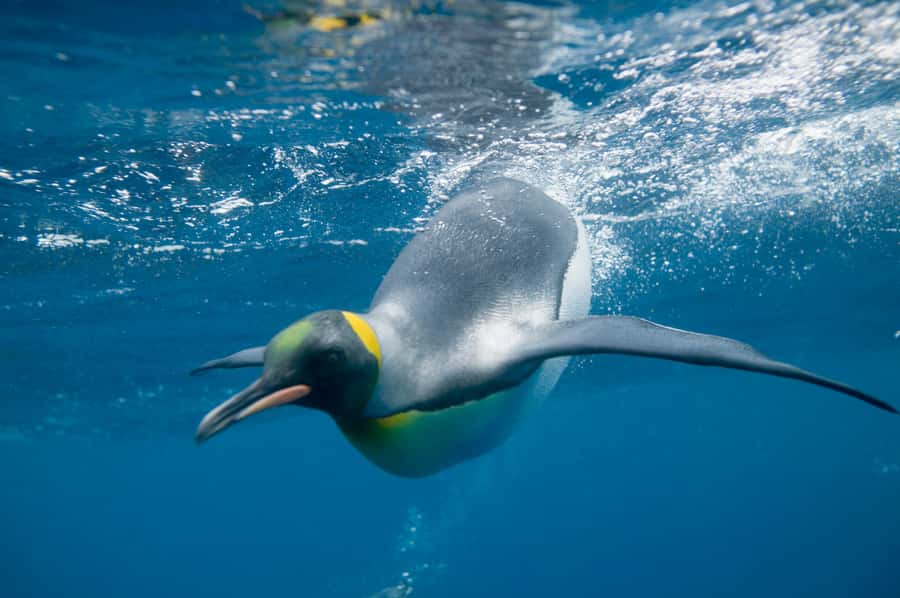
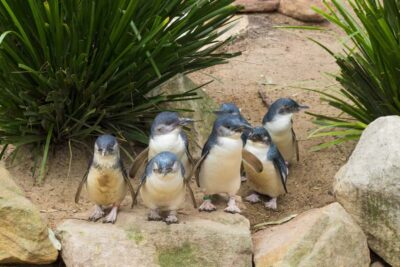
Penguins are the headline act. The aquarium features King and Gentoo penguins in an Antarctic-style ice exhibit. This is where the energy tends to rise—kids lean forward, adults slow down, and you can spend extra time just watching their movements.
A few reviews focused on this penguin area as the best part of the day. That matches the way the exhibit is designed: it’s a clear, emotional hook. Penguins are expressive, and the ice setting makes it feel like you’re looking into a specific world rather than just another tank.
If you like a smoother experience, go to the penguin area earlier in your visit or later when the crowd flow shifts. One review noted it can be quite packed on a Wednesday afternoon, which is a fair warning. You don’t have to avoid the crowd completely—you just have to expect it and plan for it.
Animal presentations, feedings, and that running commentary
One thing that keeps SEA LIFE from feeling like a quiet museum is the steady rhythm of programming. The aquarium features daily animal presentations, including shark and ray feedings.
This matters because it adds context. When you hear a staff member explain what you’re looking at, you start spotting details you’d otherwise miss. It also makes the visit feel less like you’re “walking past stuff” and more like you’re watching an operation.
If you catch a talk at the right time, you can get a real boost in enjoyment. If you miss them, you can still have a great day. Either way, build some flexibility into your schedule so you don’t feel rushed.
4D cinema, touch pools, and hands-on extras
The ticket experience doesn’t stop at the tanks. SEA LIFE Melbourne also includes extras like a 4D cinema show and hands-on touch pools.
The 4D element is a nice break in pacing. It’s not a substitute for the aquarium, but it gives your eyes a rest and adds a dose of “fun first” entertainment.
The touch pools can be especially appealing if you’re traveling with younger kids, though they still work for adults who like hands-on learning. Just note that hands-on areas can get crowded. If that’s a concern, watch the flow and pop in when you see space.
There are also kids activities, which is part of why this attraction is so popular for families. Even if you don’t have children, these features can help turn your visit into a full day rather than just a short loop.
Lay-out and pacing: how to move through 12 zones without getting lost
A well-designed aquarium should help you navigate without constant map checking. Many people found the layout easy to follow, and the best tip is to let the route carry you.
Still, there can be moments where the layout feels confusing, even if you have a map. My advice is simple: don’t get stuck in navigation mode. When you hit a zone you want, commit your attention there, then keep moving forward.
A smart pacing approach:
- Spend longer in the big “anchor” exhibits (Oceanarium, penguins, rays, crocodile).
- Give the smaller specialty zones (elephant sharks, seahorse ward, jellyfish) enough time to actually read labels.
- Plan one break spot so you don’t lose your momentum halfway through.
Cafe reality check: food stops are good, but don’t count on perfection
You’ll likely want a break during your visit, and the aquarium does offer a cafe option.
From firsthand notes, the food can be decent and reasonably priced, with hot chips mentioned as a highlight. But there are also reminders that the cafe area can get messy on busy days, so if cleanliness is important to you, pick your seat thoughtfully and expect peak-day crowds.
This isn’t a reason to skip the aquarium. It’s just a good expectation: you’re in a family attraction, so plan your snack break like you’re visiting a popular theme-like venue.
If you go without kids: can you still enjoy it?
Yes, you can. One of the most useful review takeaways is that people enjoyed the aquarium even without children, largely because the exhibits are designed to hold attention and the animals are genuinely interesting.
If you’re an adult without kids, your best bet is to focus on the standout creatures and the programming:
- Pinjarra (crocodile) as a main showpiece
- Antarctic penguins on ice
- Bay of Rays for the close-up factor
- elephant sharks and the seahorse paternity ward for the fun learning
- Ocean Invaders jellyfish and the Oceanarium feeding moment
If your goal is to spend a long afternoon, aim for 3–4 hours and include 4D and one hands-on area. If you want a fast hit, you can still enjoy it in about 2 hours—but go in knowing it may feel short compared with a family day.
Should you book the SEA LIFE Melbourne Aquarium entrance ticket?
Book this ticket if you want a weather-proof, CBD-friendly aquarium day with real variety: 10,000+ animals, a massive Oceanarium, and multiple headline moments like penguins on ice, Pinjarra the crocodile, and the Bay of Rays.
Skip or rethink it if you only care about one small slice of the collection and you’re trying to keep the day super short. The experience works best when you’re willing to wander between zones and catch at least one presentation or feeding.
If you’re on the fence, I’d make the call based on timing: choose a timeslot you won’t feel rushed by, then build your route around 2–3 must-sees. That approach makes the ticket feel like value instead of just a price tag.
FAQ
How much is the SEA LIFE Melbourne Aquarium entrance ticket?
The ticket price is listed as $28 per person.
What exactly is included with this ticket?
This ticket includes entrance only.
Where is the aquarium located?
It’s at SEA LIFE Melbourne Aquarium, corner of Flinders Street and King Street, on the banks of the Yarra River, opposite Crown Entertainment Complex.
Do I need to choose a specific entry time?
Yes. After booking, you must select a specific entry timeslot on the supplier’s own website.
How long is the ticket valid for?
The ticket is valid for 1 day. You also have 1 year from the purchase date for validity.
Are there animal feedings or presentations?
Yes. The aquarium has daily animal presentations and includes shark and ray feedings, plus feeding the fish from the top of the Oceanarium.
More Tickets in Melbourne
- Werribee Open Range Zoo: Entry Ticket
★ 4.5 · 646 reviews - Melbourne: Melbourne Skydeck General Admission Entry Ticket
★ 4.6 · 386 reviews - Melbourne Zoo General Entry Ticket
★ 4.0 · 333 reviews - SEA LIFE Melbourne Aquarium Admission Ticket
★ 3.5 · 280 reviews - Healesville Sanctuary General Entry Ticket
★ 4.5 · 217 reviews - Moonlit Sanctuary Conservation Park Entry Ticket
★ 4.5 · 163 reviews
More Tour Reviews in Melbourne
- Great Ocean Road Small-Group Eco Tour from Melbourne
★ 5.0 · 6,607 reviews - From Melbourne: Great Ocean Road, 12 Apostles, Wildlife Tour
★ 4.7 · 6,020 reviews - Laid back, Yarra Valley Wine Tour: Wine, Cider, Gin, Beer + Choc
★ 5.0 · 4,552 reviews - Great Ocean Road Reverse Itinerary Boutique Tour – Max 11 Guests
★ 5.0 · 4,186 reviews - Penguin Parade, & Wildlife Encounters Eco Tour from Melbourne
★ 5.0 · 3,774 reviews - Melbourne: Yarra Valley Wine, Gin, Whisky and Chocolate Tour
★ 5.0 · 3,667 reviews
More Melbourne Museums and Galleries
- Melbourne: MCG and Australian Sports Museum Guided Tour
★ 4.7 · 638 reviews - ArtVo Immersive Gallery Experience
★ 4.5 · 423 reviews - SEA LIFE Melbourne Aquarium Admission Ticket
★ 3.5 · 280 reviews - MCG Tour & Australian Sports Museum
★ 4.5 · 263 reviews - Melbourne: Melbourne Museum Entry Ticket
★ 4.7 · 122 reviews - Australian Sports Museum Ticket
★ 5.0 · 60 reviews
Fresh off the rank: Melbourne tours we have written up lately





Melbourne Museums & Galleries, side by side.
 ★ 4.7MCG and Australian Sports Museum Guided TourFrom $33638 reviews
 ★ 4.5ArtVo Immersive Gallery ExperienceFrom $21423 reviews
 ★ 3.5SEA LIFE Melbourne Aquarium Admission TicketFrom $27280 reviews
 ★ 4.5MCG Tour & Australian Sports MuseumFrom $34263 reviews
 ★ 4.7Melbourne Museum Entry TicketFrom $12122 reviews
 ★ 5.0Australian Sports Museum TicketFrom $2660 reviews
 ★ 5.0Shrine of Remembrance Cultural Guided Tour in MelbourneFrom $1459 reviews
 ★ 3.0LEGOLAND Discovery Centre Melbourne General Entry TicketFrom $2041 reviews
Browse the lists this tour appears in