
REVIEW · PHILLIP ISLAND & PENGUINS
Phillip Island Whale Watching Tour
Whales are the main event here. I really like the small, modern boat setup that keeps views practical, and I also enjoy the captain’s live commentary as you scan the water and shorelines. One thing to plan for: whale sightings aren’t guaranteed, even though the success rate is strong in peak season.
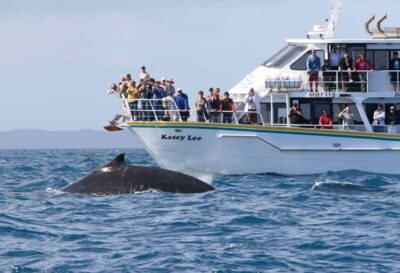
You’ll start from Rhyll and spend about four hours cruising the coast in search of humpback and southern right whales, with plenty of other wildlife on the radar. The tour also builds in a relaxed morning tea break, so it doesn’t feel like you’re just standing around in the cold. I like that Wildlife Coast Cruises keeps the group to a maximum of 70 people, so you don’t need to play “where can I see?” for the whole trip.
I also appreciate the human touch behind the operation—communications signed by Georgia show up in their customer follow-ups—because it matches the general crew vibe you can feel on board. The main trade-off is simple: you’re on the water for wildlife, so if whales are quiet, you’ll still need to enjoy seals, dolphins, and birds as the backup plan.
In This Review
- Key highlights you’ll care about
- What you’re really doing on this Phillip Island cruise
- Modern boat time, captain commentary, and the small-group advantage
- Morning tea break that makes 4 hours feel doable
- Stop 1: Seal Rocks—where the seals do the heavy lifting
- Stop 2: Cape Woolamai and the birdwatching side of the hunt
- Humpbacks and southern right whales: how to think about the odds
- How the 4-hour timing works in real life
- Price and value: is $125.52 fair for this cruise?
- Who should book Wildlife Coast Cruises—and who might hesitate
- Practical tips so your morning goes smoothly
- Should you book this Phillip Island whale watching tour?
- FAQ
- Where is the Phillip Island Whale Watching Tour meeting point?
- What time does the tour start, and how long is it?
- What’s included in the tour price?
- Is whale sightings guaranteed?
- What should I do if I have dietary requirements?
- What is the cancellation policy?
Key highlights you’ll care about
- Seal Rocks fur seals: thousands of fur seals in their natural environment, typically the easiest big win on the trip
- A captain who talks while you watch: live on-board commentary to help you spot what matters
- Whales with a realistic success rate: expected 70–90% sightings between June and August, not a promise
- Humpback and southern right whales on migration routes: the cruise focuses on seasonal movement along Victoria’s coast
- Smaller vessel feel: maximum 70 people, which makes viewing less chaotic
- Morning tea included: coffee/tea with a pastry keeps the outing comfortable
Other Phillip Island trips built around the penguin parade
- Philip Island: Seal Watching Cruise★ 4.9 · 213 reviews
- Phillip Island Seal-Watching Cruise★ 5.0 · 146 reviews
- Phillip Island: Penguin Parade and Multi Attraction Pass★ 4.3 · 135 reviews
- Phillip Island Whale Watching Tour★ 5.0 · 95 reviews
What you’re really doing on this Phillip Island cruise
This is a wildlife-focused cruise built around a pretty clear goal: find whales migrating along the coast of Victoria near Phillip Island. The search covers humpbacks and southern right whales, which is why timing matters. If you’re traveling during June to August, your odds are better, but you’re still dealing with wild animals.
The route isn’t “one spot and done.” You’ll cruise around Phillip Island and keep scanning as conditions and sightings develop. That matters because whales don’t follow a schedule, and this kind of trip wins when the crew stays alert and keeps moving with purpose.
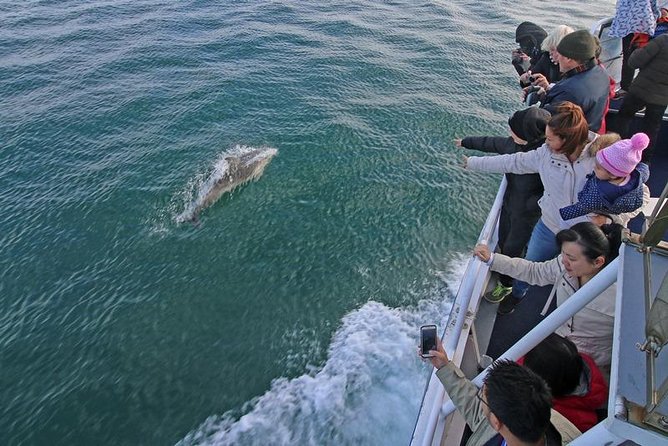
And even if whales are a no-show (it happens), the itinerary still puts you where marine life is commonly active. You’ll look for playful dolphins and seals, plus seabirds such as wandering albatrosses. In other words, this is a trip for people who like wildlife watching for its own sake, not only a strict whale checklist.
Modern boat time, captain commentary, and the small-group advantage
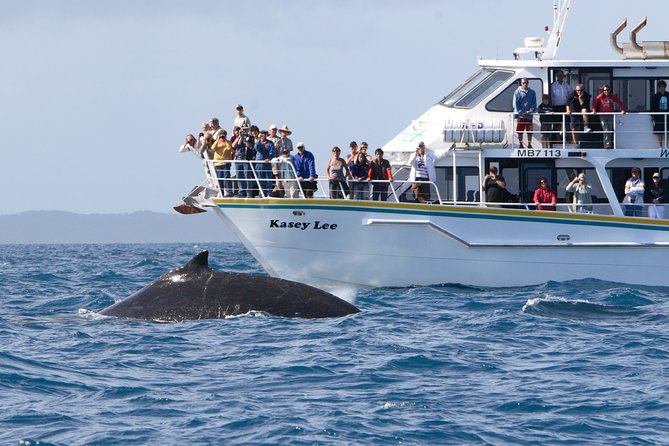
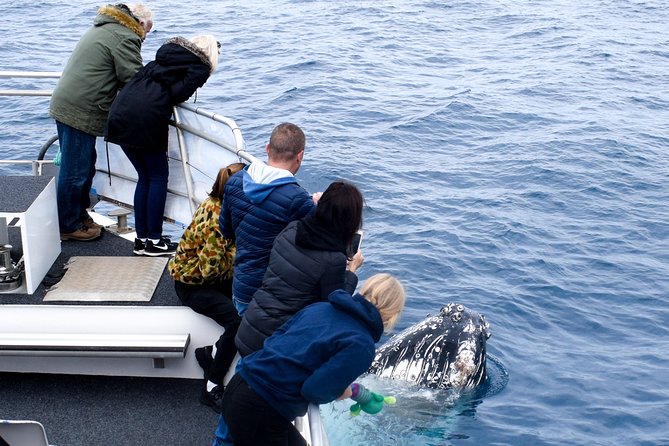
There’s a big difference between a crowded boat and a boat where you can actually see. I like that this one is set up for up to 70 people, and recent experiences highlight that it doesn’t feel overcrowded. You get a better chance to track movement on the water—especially when dolphins or whales surface without warning.
The captain-led format is another practical win. You’re not left with a pamphlet and silence. There’s live commentary on board that ties together what you’re seeing—seabirds, dolphins, seals, and the coastal features you pass. That’s valuable because spotting marine wildlife is partly knowing what to look for and partly knowing where it’s likely to appear.
The experience also includes a local guide, and that combination—local knowledge plus a captain watching the water—helps you connect the dots quickly. If you’re the type who wants to understand what’s happening instead of just taking pictures, this style fits well.
Morning tea break that makes 4 hours feel doable
The tour includes morning tea: coffee, tea, a muffin, and a pastry. That sounds small, but it’s a real comfort perk when you’re starting early and spending time on open water. It also turns the cruise into a more relaxed outing instead of a strict watch-only session.
Because the trip is about four hours, that short break matters for energy. You’re out long enough to get cold if you’re underdressed, and you’ll likely be on your feet or shifting position to see over railings. Having something warm in your hands makes the whole experience easier to enjoy.
One more practical note: if you have dietary requirements, you’re asked to advise at booking. So if you’re gluten-free, have allergies, or need other adjustments, put that in early so the crew can plan.
Stop 1: Seal Rocks—where the seals do the heavy lifting
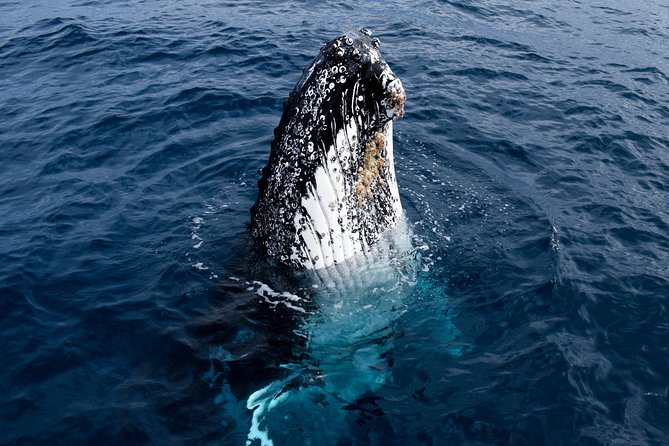
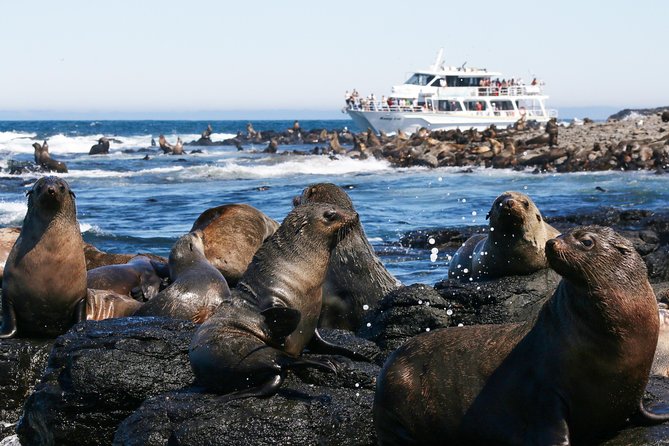
Seal Rocks is the first named stop, and it’s built into the tour for a reason: fur seal viewing is a core part of what makes this cruise fun. Seeing thousands of seals in their natural environment gives you a strong sense of place right away—this isn’t just a “maybe you’ll see something” moment.
Why this stop works so well: seals tend to be active at close-to-shore locations, and they don’t require the same kind of long-distance scanning as whales. You can watch them haul out, swim, and react to the passing boat—wildlife behavior you can actually keep track of over time.
It’s also an emotional payoff stop. Even in whale season when whales are the headline, seals often steal the show because they’re easier to spot and more continuously visible. If you’re traveling with kids or anyone who gets restless when sightings are slow, this stop is your best comfort plan.
Tip for your own enjoyment: dress for cool wind and keep your eyes moving. On a seal-heavy stop, the “action” can be spread out. You’ll have better luck finding the moment than staring at one patch of water.
Back out to sea for more whale watching off the coast
Stop 2: Cape Woolamai and the birdwatching side of the hunt
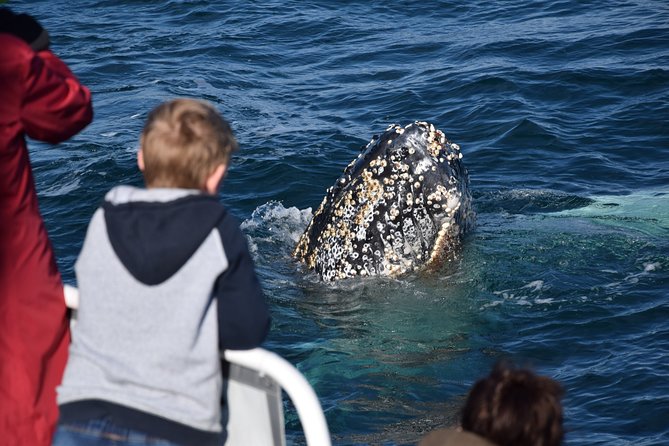
Cape Woolamai is the second named stop, and it’s where the tour broadens from marine mammals to seabirds and coastal scenery. The whale search continues, but the bird life adds variety to the scanning process.
Wandering albatrosses are specifically mentioned as part of the birdlife you might see. That’s a big deal for birders, but even if you’re not a serious lister, it’s a good reminder: the coast is an ecosystem, not just a whale corridor. When whales are quiet, birds and dolphins help keep the wildlife momentum going.
This stop also gives you a different angle on the coastline around Phillip Island. If you’re the kind of person who likes understanding the geography behind what you’re seeing, this is one of the moments where the “why here?” clicks. Coastal headlands and migration routes are connected, and Cape Woolamai helps frame that story as you cruise.
A practical thought: bird spotting rewards patience. Stand where you can see both the water and the sky, and keep your focus wide. Seabirds can move quickly, and it helps to be ready when wings appear.
Humpbacks and southern right whales: how to think about the odds
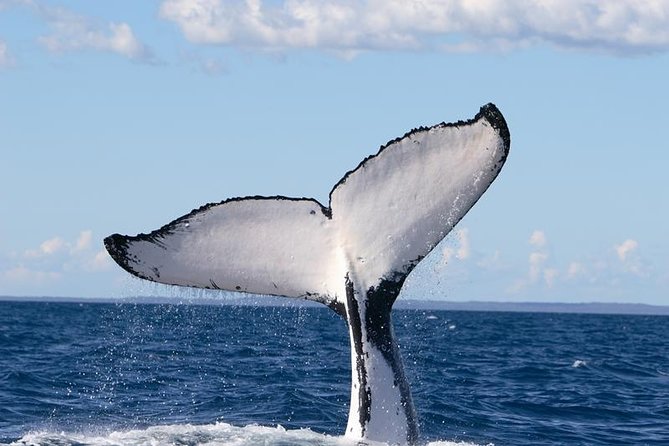
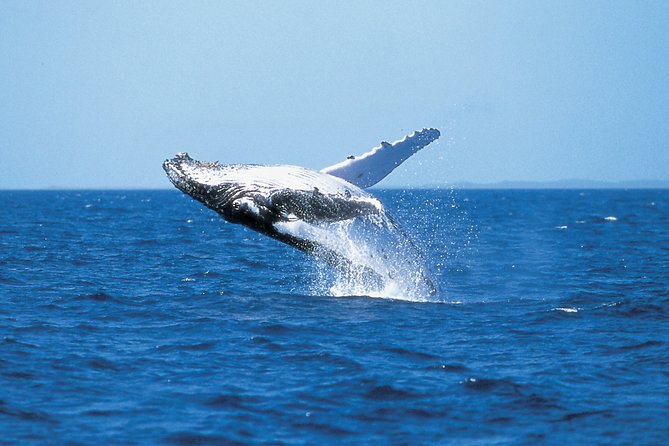
This tour sets a clear expectation: whale sightings are not guaranteed. The posted target is 70–90% sightings success between June and August. That’s high enough to feel confident booking, but it’s not “sure thing” territory.
So how do you make peace with the uncertainty? Plan to enjoy the whole wildlife package, not just whales. When whales do show up, it’s often the kind of moment you remember for years. And when they don’t, you still have seals at Seal Rocks, dolphins in the mix, and bird life adding constant interest.
The cruise also describes its whale focus as an annual migration route regularly joined by dolphins pods, seals, and birdlife. Translation: the crew is not wandering randomly; they’re aiming for areas where wildlife activity makes sense during the season.
A good mental checklist for your day:
- If dolphins are around, whales sometimes follow in the same busy zones.
- If seals are active, the local food chain is likely working.
- If bird activity increases, that can be a clue the water is alive.
Dress and time also play a role. Whales can surface briefly and then disappear. When you’re warm, alert, and not rushing to get comfortable, you’re more likely to catch the moment.
How the 4-hour timing works in real life
The cruise runs for about 4 hours, starting at 8:30 am. It ends back at the meeting point, so you’re not dealing with complicated schedules or a one-way drop.
That start time matters. Early morning often means cooler air, calmer water, and better viewing conditions compared with later in the day. You’ll be out before the day heats up, and the included morning tea is timed nicely to make that early departure feel less harsh.
The pace is built around scanning for whales while also getting you to two key stops: Seal Rocks and Cape Woolamai. So you’re not stuck doing one long stretch with only open water. You’ll have structured moments that help break up the cruise and keep the experience varied.
Also consider the group size when you arrive. With up to 70 people, you’ll want to show up a bit early so you can get set quickly. Once you’re on board, you can focus on seeing wildlife instead of figuring out logistics.
Price and value: is $125.52 fair for this cruise?
At $125.52 per person, this tour sits in the “pay for a proper boat wildlife experience” category. What helps the value feel fair is what’s included:
- Morning tea (coffee/tea, muffin, pastry)
- Local guide
- Live commentary on board
- A structured route with Seal Rocks and Cape Woolamai built in
What isn’t included is also clear: food and drinks beyond the morning tea (unless specified), plus there’s no hotel pickup and drop-off. You’re driving to 16 Beach Rd, Rhyll VIC 3923, and returning there, so factor in your own transport time.
The biggest “value” driver is the whale odds and the small-group feel. In peak months, the success rate is 70–90%, and multiple recent experiences emphasize that the boat isn’t overcrowded. If you’re the type who hates getting hemmed in for sightseeing, that matters as much as the species list.
The other value factor is that the cruise focuses on wildlife viewing rather than making you juggle many stops or attractions. In a place like Phillip Island, a whale-focused morning can be exactly the right use of time.
Who should book Wildlife Coast Cruises—and who might hesitate
This is a good fit if you:
- Want a wildlife-first outing with whales as the headline but seals and dolphins as major backup wins
- Like guided spotting and not just wandering around on your own
- Prefer a smaller group feel (maximum 70 people) so viewing is more manageable
- Travel in June–August when whale sightings are most likely
It’s a weaker fit if your priority is a guaranteed whale photo. The tour is upfront that sightings aren’t guaranteed, even with strong seasonal odds. Also, if you only want “one thing,” you might find yourself disappointed if whales don’t cooperate.
That said, even when whales are missing, this type of cruise can still be memorable because marine wildlife in the area is often active. Think of it as a chance at whales plus a very strong shot at seals, dolphins, and seabirds.
Practical tips so your morning goes smoothly
A few straightforward choices can make a noticeable difference:
- Wear warm layers. The water air can get chilly on a boat, and you’ll be outside a lot while scanning.
- Bring a proper jacket even in good weather. Wind is the main comfort killer.
- Consider your viewing strategy. Move with the action and don’t lock yourself into one spot.
- If you have dietary needs, share them when booking for the morning tea.
- Use your mobile ticket and plan to arrive with enough time to check in calmly.
- If the weather turns rough, expect weather-related adjustments. This experience requires good weather, and you’ll be offered a different date or a full refund if it’s canceled for that reason.
Should you book this Phillip Island whale watching tour?
I’d book this if you’re visiting Phillip Island in June–August and you’re okay with wildlife uncertainty. The 70–90% whale sighting expectation makes it feel like more than a gamble, and the itinerary is strong even without whales thanks to Seal Rocks and the broader marine life search.
You should hold back only if whales are the only acceptable outcome for you. Then the lack of a guarantee may not match your expectations. If, instead, you’re excited by the full mix—fur seals at Seal Rocks, dolphins in pods, seabirds overhead, and the chance for humpbacks and southern right whales—this cruise offers a genuinely practical way to spend a half-day on the water.
FAQ
Where is the Phillip Island Whale Watching Tour meeting point?
The tour meets at 16 Beach Rd, Rhyll VIC 3923, Australia, and it returns back to the same meeting point.
What time does the tour start, and how long is it?
The start time is 8:30 am, and the duration is approximately 4 hours.
What’s included in the tour price?
The tour includes morning tea (coffee, tea, muffin, and pastry), a local guide, and live commentary on board.
Is whale sightings guaranteed?
No. Whale sightings are not guaranteed. The tour expects between a 70–90% sightings success rate between June and August.
What should I do if I have dietary requirements?
You should advise any specific dietary requirements at the time of booking so the team can plan appropriately for the morning tea.
What is the cancellation policy?
You can cancel up to 24 hours in advance for a full refund. If you cancel less than 24 hours before the experience’s start time, the amount you paid is not refunded, and cut-off times are based on local time.
More Tour Reviews in Phillip Island
- Phillip Island: 1-Hour Cape Woolamai Scenic Cruise
★ 4.6 · 415 reviews - Philip Island: Seal Watching Cruise
★ 4.9 · 213 reviews - Phillip Island Seal-Watching Cruise
★ 5.0 · 146 reviews - Phillip Island: Penguin Parade and Multi Attraction Pass
★ 4.3 · 135 reviews - Phillip Island: Golden Hour Penguin Express Tour w/ Island Pickup
★ 5.0 · 54 reviews - Philip Island: Dolphin and Whale Cruise
★ 4.4 · 48 reviews
More Whales Off the Victorian Coast
- Philip Island: Dolphin and Whale Cruise
★ 4.4 · 48 reviews - Dolphin & Whale Cruise
★ 5.0 · 23 reviews - Phillip Island: Whale Watching Boat Tour
★ 4.9 · 22 reviews
Still Out on Phillip Island
- Phillip Island: 1-Hour Cape Woolamai Scenic Cruise
★ 4.6 · 415 reviews - Philip Island: Seal Watching Cruise
★ 4.9 · 213 reviews - Phillip Island Seal-Watching Cruise
★ 5.0 · 146 reviews - Phillip Island: Penguin Parade and Multi Attraction Pass
★ 4.3 · 135 reviews - Phillip Island: Golden Hour Penguin Express Tour w/ Island Pickup
★ 5.0 · 54 reviews - Philip Island: Dolphin and Whale Cruise
★ 4.4 · 48 reviews
Fresh off the rank: Phillip Island tours we have written up lately


Phillip Island & Penguins, side by side.
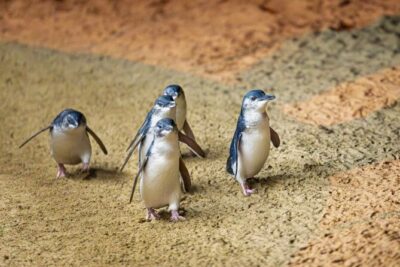 ★ 5.0Penguin Parade, & Wildlife Encounters Eco Tour from MelbourneFrom $1183,774 reviews
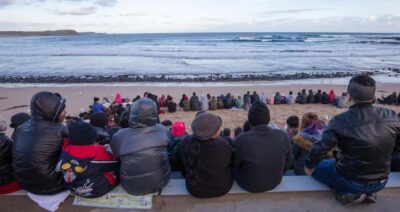 ★ 4.5Penguin Parade, Koalas & KangaroosFrom $1121,932 reviews
 ★ 4.7Phillip Island Penguin Parade & Koalas TourFrom $1231,408 reviews
 ★ 4.8Phillip Island Penguin Parade Eco TourFrom $1091,211 reviews
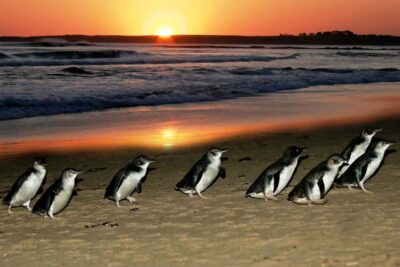 ★ 4.5Puffing Billy and Penguin Parade Combo TourFrom $1651,184 reviews
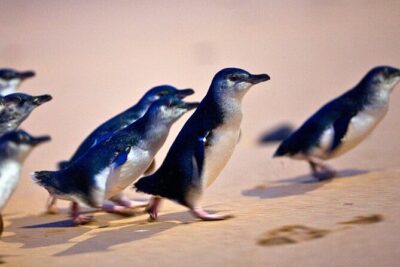 ★ 5.0Phillip Island Penguins & Wildlife Day Tour from MelbourneFrom $111867 reviews
 ★ 5.0Phillip Island Penguin and Koala Highlights Day-Trip from MelbourneFrom $125775 reviews
 ★ 4.6Phillip Island Penguin Parade Express Tour660 reviews
Browse the lists this tour appears in