
REVIEW · MELBOURNE FOOD TOURS
Romance & Glamour: Discover Melbourne’s true Italian food history
Italian food history tastes better on foot. I like how this Melbourne walk, led by Dr Tania Cammarano, turns ideas of Italy into real, explainable local history—especially the connection between Melbourne’s coffee obsession and its pasta love. I also love the included coffee and sweet treat and the hands-on feel of the early espresso machine and 1920s restaurant artifacts at Museo Italiano.
This is a relaxed 3-hour walk, so the main thing to consider is the weather. You’ll be on your feet in Carlton for a good stretch, and the tour requires good conditions to run comfortably.
In This Review
- Key highlights at a glance
- Why Melbourne’s Italian story lives in your coffee and pasta
- Starting at the Royal Exhibition Building: where the story gets its spotlight
- What to watch for
- Little Lonsdale Street and the 1937 cookbook that changed the tone
- A small reality check
- Lygon Street coffee: early entrepreneurs and how taste gets built
- Museo Italiano: espresso machines and 1920s leftovers in plain sight
- Practical tip for the museum moment
- University Cafe finale: wine and antipasto that match the story
- If you don’t drink wine
- Price and pace: does $89.66 feel worth it?
- Who should book this walk in Carlton?
- Tips to get more out of the 2:00 pm start
- Mobile ticket and small-group flow
- Should you book Romance & Glamour: Discover Melbourne’s true Italian food history?
- FAQ
- How long is the tour?
- What is the price per person?
- Where does the tour start and end?
- What time does the tour begin?
- What food and drink is included?
- Is entry to Museo Italiano included?
- How large is the group?
- Is the tour near public transportation?
- Are service animals allowed?
- What happens if the weather is bad?
- FAQ
- What is the cancellation policy?
- Is confirmation provided after booking?
- Who can participate?
- Is the ticket mobile?
Key highlights at a glance

- Dr Tania Cammarano explains how Italy became mainstream in Melbourne with clear, story-first commentary
- Royal Exhibition Building sets the stage for the Italian food influence you’ll track through Carlton
- Little Lonsdale Street and the 1937 Italian cookbook clue you into what changed first, not what you assume changed first
- Lygon Street coffee stop connects business to taste through the people who helped build demand
- Museo Italiano includes an early espresso machine plus menus and ephemera from 1920s Italian dining
- Finale at University Cafe: wine and a generous antipasto to wrap the story with the kind of meal it’s talking about
Still hungry? More Melbourne food crawls to book
- Laid back, Yarra Valley Wine Tour: Wine, Cider, Gin, Beer + Choc★ 5.0 · 4,552 reviews
- Epic Yarra Valley Wine Tour + Lunch, Chocolate & Gin/Beer Option★ 5.0 · 1,819 reviews
- Melbourne: Yarra Valley Wine, Cider, Gin, Beer, & Choc Tour★ 4.8 · 719 reviews
- Melbourne Foodie Discovery Walking Tour★ 5.0 · 530 reviews
Why Melbourne’s Italian story lives in your coffee and pasta
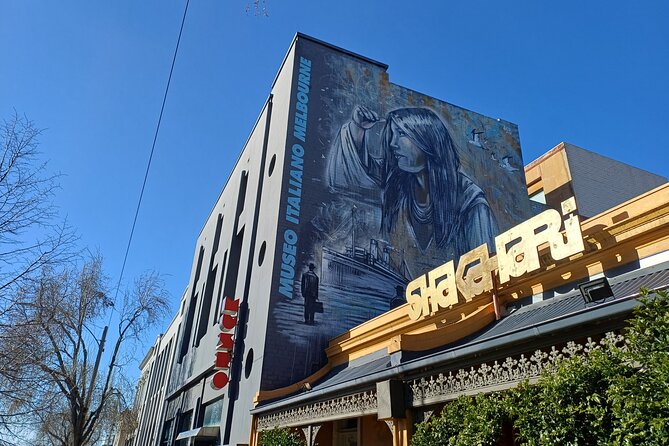
Melbourne loves two things loudly: coffee and pasta. The fun twist here is that the tour doesn’t treat that as coincidence or trend. It shows you how Italian food gained acceptance through ideas, publishing, entrepreneurs, and immigrant networks—then it made its way into everyday dining.
You’ll also notice something else. This walk is as much about people and communication as it is about food. Instead of only saying Italians arrived and then people ate pasta, you’ll hear how those early Italian voices helped define what counted as respectable, desirable, and “proper” dining in a growing multicultural city.
The result is that when you later order an espresso or a bowl of pasta, you’ll have a clearer mental picture of how the city got there.
Starting at the Royal Exhibition Building: where the story gets its spotlight
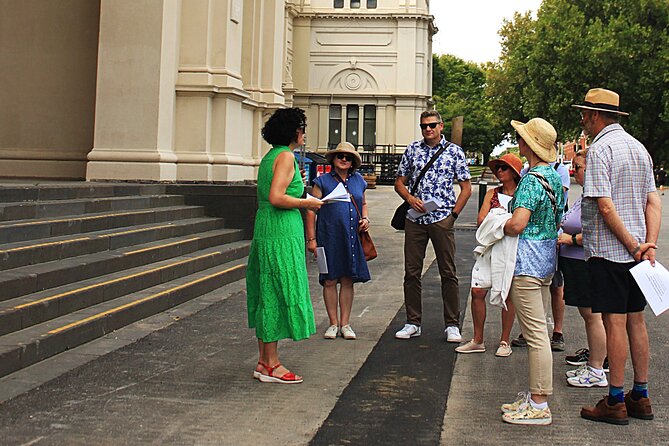
The meeting point is at the Hochgurtel Fountain, in front of the Royal Exhibition Building at Melbourne Museum. It’s a smart start because the building has a major public presence—you’re not beginning in a random laneway, you’re starting in the kind of landmark that signals ideas of identity and culture.
From here, Dr Tania Cammarano sets up the big theme: why Italy mattered in Melbourne beyond food itself. You’ll learn the building’s starring role in Melbourne’s Italian food history—what it represented when the city was forming its tastes and communities, and how that wider public-facing culture helped make room for new arrivals and new ideas.
Even if you’ve walked around this area before, it tends to feel different once you can link a grand public space to the everyday act of eating later on.
What to watch for
Listen closely to how the tour frames the next steps in Carlton. The opening helps you connect “headline Italy” (ideas, publishing, visibility) to “street Italy” (restaurants, coffee bars, business owners).
Little Lonsdale Street and the 1937 cookbook that changed the tone
Next comes Little Lonsdale Street, tied to a specific milestone: the site where Australia’s first Italian cookbook was published back in 1937. That’s the kind of detail that instantly makes the whole story feel less vague.
Cookbooks matter because they don’t just share recipes. They translate culture into a format people can actually use at home. And this one—published in 1937—signals that Italian food wasn’t only happening in private kitchens or immigrant social spaces. It was being packaged for wider audiences, which is often how mainstream acceptance begins.
As you stand there, the point isn’t academic. You get a sense of timing: what kind of knowledge got spread first, and what that probably did to public curiosity.
Other Melbourne outings that pair nicely with this one


A small reality check
If you’re expecting a stop full of dramatic ruins or obvious Italian signage, you might be surprised. This tour works by connecting dots. Some of the impact is subtle—names, publication history, and the way food ideas traveled.
Lygon Street coffee: early entrepreneurs and how taste gets built
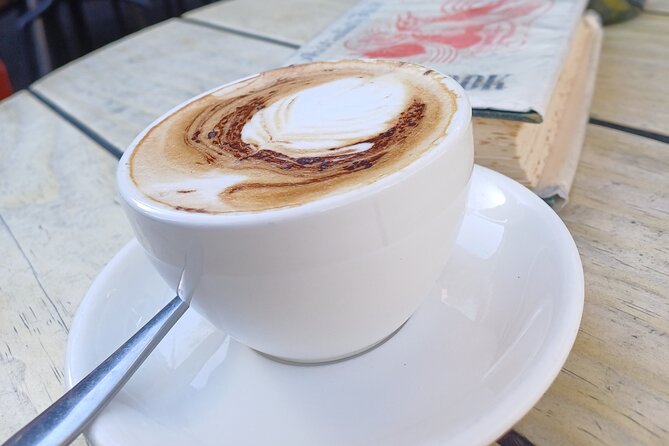
Then you shift into Lygon Street, the heart of Carlton’s Italian food reputation. But the tour doesn’t just treat Lygon Street as a postcard. It explains the early entrepreneurial trail behind the coffee and dining you associate with the area.
You’ll get a coffee stop where you learn about some of the city’s earliest Italian food entrepreneurs. That’s useful because it reframes Lygon Street from a fixed “Italian quarter” into something built by people making choices—where to open, what to sell, and how to win customers.
And yes, the coffee break is more than a break. The tour uses it as a living reference point: the espresso isn’t just a drink here. It’s part of the historical argument being made while you’re holding the cup.
Museo Italiano: espresso machines and 1920s leftovers in plain sight
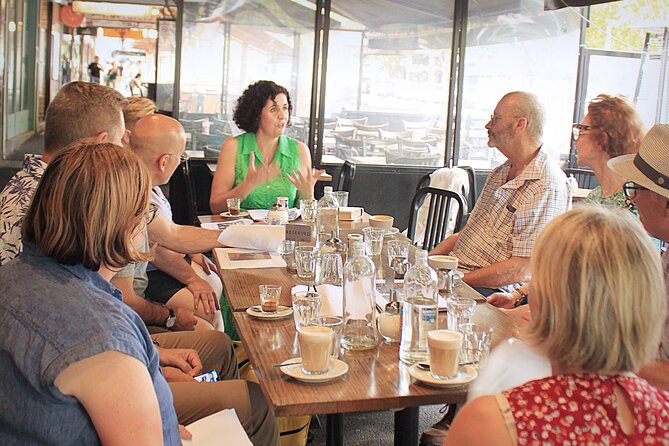
Museo Italiano is the stop that tends to hook people hard, especially if you like history you can see with your own eyes. Inside, you’ll check out an early espresso machine, plus plates, menus, and other ephemera connected to Melbourne’s Italian restaurants of the 1920s.
This is where the tour earns its reputation for being Italy history you can taste—because the museum artifacts make the stories concrete. Menus show what people ordered and how restaurants framed their offerings. Ephemera helps you understand what restaurant life looked like beyond the dining room—how communication and branding helped a food culture become normal.
And because you’re seeing original objects tied to the 1920s, the tour’s main argument lands with weight. This wasn’t just a later-wave trend. Italian coffee culture and restaurant habits had a foothold long before “multicultural Melbourne” became a phrase people used comfortably.
Practical tip for the museum moment
Take a slow pass with your eyes before you start scanning details. If you rush, you’ll miss the small clues in menus and items that help you understand how these restaurants presented themselves.
University Cafe finale: wine and antipasto that match the story
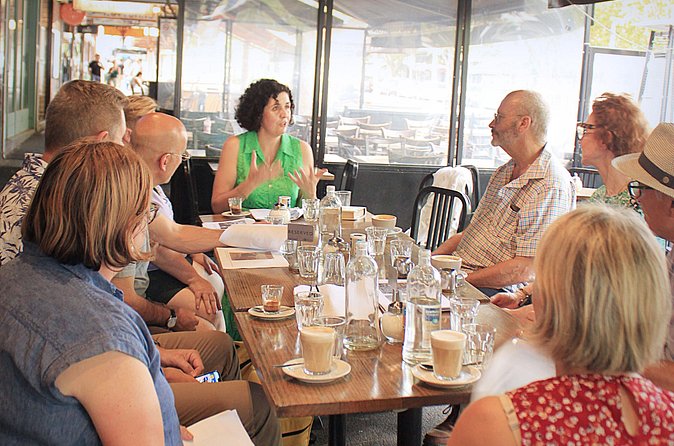
You end at University Cafe on Lygon Street, with a debrief and a generous antipasto plus a glass of wine. This final stop is the reward part, but it’s also the synthesis part.
By this point, you’ve already followed the thread from public institutions to cookbook publishing to street-level entrepreneurs and museum artifacts. So when you sit down with antipasto, the meal starts acting like a summary. You’re not just eating; you’re mentally checking how the pieces fit—food, publishing, business, and community.
It’s also a practical way to finish. Instead of wandering off right after learning, you close the loop with something social and genuinely linked to Italian dining culture.
If you don’t drink wine
The tour includes a glass of wine, so if alcohol isn’t your thing, it’s worth thinking ahead. The antipasto is still the main food component here, but the inclusion of wine means you should be comfortable with that part of the experience before booking.
Price and pace: does $89.66 feel worth it?

At $89.66 per person for about three hours, you’re paying for a tight package: expert guiding from Dr Tania Cammarano, coffee and a sweet treat, entry into Museo Italiano, plus wine and generous antipasto.
I like this pricing model because it’s not “pay for a walk, maybe you’ll get a snack.” Food and museum time are built in, and the tour duration is long enough to make the museum stop meaningful. You’re not only changing neighborhoods—you’re getting explanations that connect those neighborhoods to how Italian food became part of Melbourne’s mainstream identity.
The group size is capped at 10, which helps keep the pacing comfortable and the commentary connected to what you’re seeing. If you hate being shuttled along by a large herd, this is the kind of small group format that makes the experience feel more personal.
Who should book this walk in Carlton?
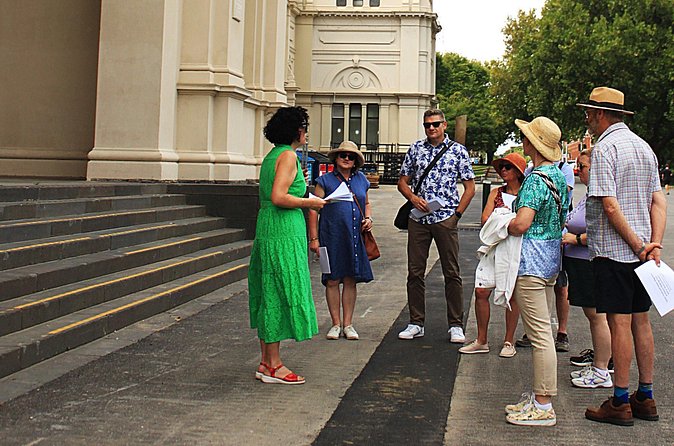
This is a great fit if you’re the type who likes food with context. If you love coffee, pasta, or Italian dining—and you also like the story of how those tastes spread—this tour should click fast.
It’s also a good choice if you’re curious about multiculturalism as a lived process. The tour isn’t just about Italians as a label. It focuses on the migrant visionaries and mavericks who helped ideas of Italy become acceptable and popular in Melbourne.
On the other hand, if you want only dramatic sightseeing or zero walking, this may not match your mood. It’s a culture-and-taste walk, not a bus-ride highlights reel.
Tips to get more out of the 2:00 pm start
Because it’s a 2:00 pm start and you’ll be moving through Carlton, plan for an afternoon pace rather than a quick detour. Wear shoes you can walk in comfortably. Melbourne laneways and sidewalks can feel fine until you’ve been stepping for a while.
Also, bring your curiosity. This tour rewards attention—especially when the guide connects book publishing, early business choices, and museum artifacts to the way we eat today.
Mobile ticket and small-group flow
The experience uses a mobile ticket, so have it ready on your phone before you meet. With a maximum group size of 10, you’ll generally get a smoother flow from stop to stop, with less waiting around.
Should you book Romance & Glamour: Discover Melbourne’s true Italian food history?
If you want a memorable Melbourne food experience that doesn’t stop at tasting, I think you should book it. The strongest reason is the combo: expert commentary by Dr Tania Cammarano plus real, included food moments and a museum stop with tangible artifacts.
I’d book especially if you’re a coffee person or an Italian-food lover who wants more than the usual restaurant chatter. You’ll leave with better answers to the question Melbourne gets wrong all the time: why it ended up loving Italian food so much.
If the weather is unpredictable, double-check the conditions on the day, since the tour requires good weather. But on a solid afternoon, this is a smart way to experience Carlton—where history turns into something you can actually taste and talk about.
FAQ
How long is the tour?
The tour runs for about 3 hours.
What is the price per person?
The price is $89.66 per person.
Where does the tour start and end?
It starts at Hochgurtel Fountain, Royal Exhibition Building, Melbourne Museum, 9 Nicholson St, Carlton VIC 3053. It ends at University Cafe, 257 Lygon St, Carlton VIC 3053.
What time does the tour begin?
The start time listed is 2:00 pm.
What food and drink is included?
The tour includes coffee and a sweet treat from Australia’s first Italian cookbook, plus a glass of wine and a generous antipasto at the end.
Is entry to Museo Italiano included?
Yes, the tour includes entry into the Museo Italiano.
How large is the group?
The tour has a maximum of 10 travelers.
Is the tour near public transportation?
Yes, it’s near public transportation.
Are service animals allowed?
Yes, service animals are allowed.
What happens if the weather is bad?
The tour requires good weather. If it’s canceled due to poor weather, you’ll be offered a different date or a full refund.
FAQ
What is the cancellation policy?
You can cancel for a full refund up to 24 hours in advance of the experience start time.
Is confirmation provided after booking?
Yes, confirmation will be received at the time of booking.
Who can participate?
Most people can participate.
Is the ticket mobile?
Yes, it’s a mobile ticket.
More Historical Tours in Melbourne
- Ultimate Melbourne Walking Tour: History, Laneways & Culture
★ 5.0 · 1,451 reviews - Ultimate Melbourne Walking Tour: History, Laneways & Culture
★ 4.8 · 338 reviews - Aboriginal Heritage Walk – Royal Botanic Gardens Victoria, Melbourne Gardens
★ 5.0 · 314 reviews - Melbourne Historical Walking Tour: Crime, Gangsters & Lolly Shops
★ 5.0 · 137 reviews - Melbourne’s History with a Drink Tour
★ 5.0 · 81 reviews - Melbourne: History and Donuts Walking Tour
★ 4.9 · 72 reviews
More Tour Reviews in Melbourne
- Great Ocean Road Small-Group Eco Tour from Melbourne
★ 5.0 · 6,607 reviews - From Melbourne: Great Ocean Road, 12 Apostles, Wildlife Tour
★ 4.7 · 6,020 reviews - Laid back, Yarra Valley Wine Tour: Wine, Cider, Gin, Beer + Choc
★ 5.0 · 4,552 reviews - Great Ocean Road Reverse Itinerary Boutique Tour – Max 11 Guests
★ 5.0 · 4,186 reviews - Penguin Parade, & Wildlife Encounters Eco Tour from Melbourne
★ 5.0 · 3,774 reviews - Melbourne: Yarra Valley Wine, Gin, Whisky and Chocolate Tour
★ 5.0 · 3,667 reviews
Keep Grazing Your Way Round Melbourne
- Laid back, Yarra Valley Wine Tour: Wine, Cider, Gin, Beer + Choc
★ 5.0 · 4,552 reviews - Epic Yarra Valley Wine Tour + Lunch, Chocolate & Gin/Beer Option
★ 5.0 · 1,819 reviews - Melbourne: Yarra Valley Wine, Cider, Gin, Beer, & Choc Tour
★ 4.8 · 719 reviews - Melbourne Foodie Discovery Walking Tour
★ 5.0 · 530 reviews - Yarra Valley Full Day Grazing Tour: Gin, Wine, Pizza, Cheese
★ 4.7 · 455 reviews - Yarra Valley Food Wine and Gin Tour Departing From Melbourne
★ 5.0 · 359 reviews
Fresh off the rank: Melbourne tours we have written up lately


Melbourne Food Tours, side by side.
 ★ 5.0Laid back, Yarra Valley Wine Tour: Wine, Cider, Gin, Beer + ChocFrom $934,552 reviews
 ★ 5.0Epic Yarra Valley Wine Tour + Lunch, Chocolate & Gin/Beer OptionFrom $1391,819 reviews
 ★ 5.0Yarra Valley Grazing Tour Wine, Cheese, Gin, Pizza from MelbourneFrom $135821 reviews
 ★ 4.8Yarra Valley Wine, Cider, Gin, Beer, & Choc TourFrom $92719 reviews
 ★ 5.0Melbourne Foodie Discovery Walking TourFrom $92530 reviews
 ★ 4.7Yarra Valley Full Day Grazing Tour: Gin, Wine, Pizza, CheeseFrom $133455 reviews
 ★ 5.0Yarra Valley Food Wine and Gin Tour Departing From MelbourneFrom $82359 reviews
 ★ 4.9Yarra Valley Wine Tour + Lunch & Gin/Beer OptionFrom $137333 reviews
Browse the lists this tour appears in