
REVIEW · MELBOURNE CITY SIGHTSEEING
Dusk Discovery Tour
A dusk walk can sound almost too poetic, but this one is practical and wildlife-first. At Wildlife Wonders on the Great Ocean Road, you step into an Otways habitat as animals start their evening routine. I like how the tour is timed for real animal behavior, and I also love that it keeps the group tiny so you’re not fighting for sightlines.
Two standout parts: you get a close-up view of native wildlife in a setting that’s meant to protect them, and you’re also given built-in time for sunset photography as the light drops. The other big plus is the food: a mezze plate plus beer or wine makes the evening feel complete, not like you rushed through and ran off.
One consideration: this experience depends on good weather, and dusk is exactly when conditions can change fast. If it’s cloudy or rainy, you’ll still do the tour if it runs, but sunset photos and animal visibility can be a bit less cooperative.
In This Review
- Key highlights you’ll feel during the 90 minutes
- Entering the Otways at the exact moment animals switch gears
- The small-group format: why 10 people makes a difference
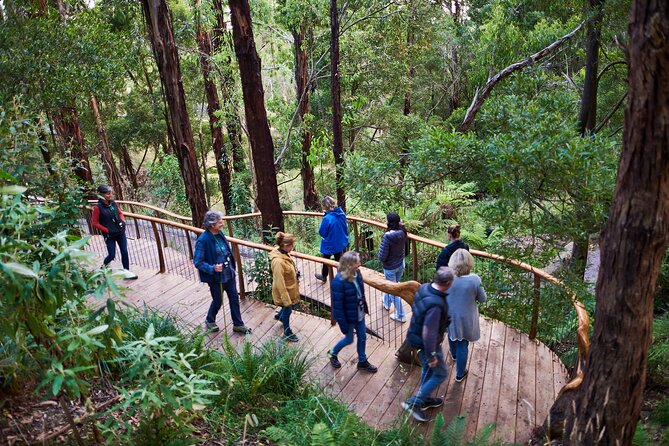
- Walking the 1.4 km winding path through real habitat types
- What happens during sunset: photo time that doesn’t ignore the wildlife
- The mezze plate, beer or wine, and why it feels like more than a tour stop
- The conservation angle: why 100% of profits matters
- Price and value: $68.14 per person, and what you’re really getting
- Where it starts (and why the meeting point location matters)
- Weather and wildlife sightings: how to set your expectations
- Who should book the Dusk Discovery Tour
- Should you book it? My call
- FAQ
- How long is the Dusk Discovery Tour?
- What’s included in the tour price?
- How many people are on the tour?
- Where does the tour start and end?
- Is a mobile ticket provided?
- What animals might you see?
- What happens if the weather is poor?
- Can most travelers participate?
- What’s the cancellation policy?
Key highlights you’ll feel during the 90 minutes
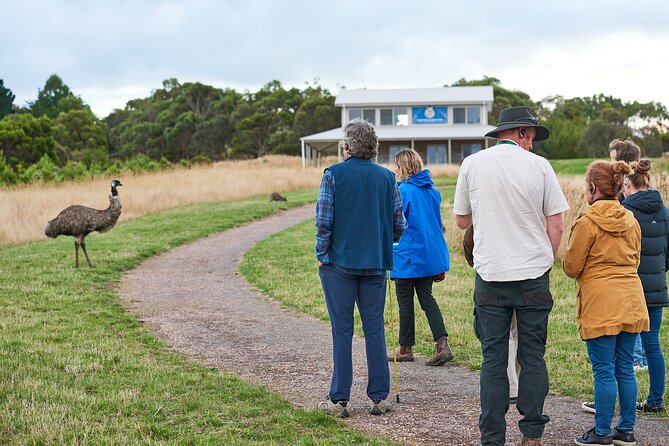
- Only up to 10 people on the dusk walk, so the guide can slow down and keep things personal
- 1.4 km winding path through multiple Otways habitats, designed for spotting wildlife in motion
- Dusk timing means nocturnal animals are waking up and day-active animals are winding down
- Sunset photo opportunities with the group size kept small for easier viewing and shooting
- Mezze plate plus beer or wine added to the wildlife experience
- Conservation-first approach with profits supporting threatened species research
Still weighing up how to spend your days in Great Ocean Road? A few more tours worth a look.
- Great Ocean Road Reverse Itinerary PREMIUM Tour – Max 11 Guests★ 5.0 · 714 reviews
- 2-Hour Deep Blue Hot Springs in Warrnambool★ 4.5 · 160 reviews
- Walk with Wildlife: Guided Tour in Great Ocean Road★ 5.0 · 148 reviews
- Two Hour Surf Lesson in Torquay on the Great Ocean Road★ 4.5 · 115 reviews
Entering the Otways at the exact moment animals switch gears
This tour works because it’s scheduled for dusk, not just an evening stroll. Dusk is when most animals are active: nocturnal animals rise for their night, while the day-active species start heading toward rest. That simple timing shift changes what you’re likely to notice as you follow the path.
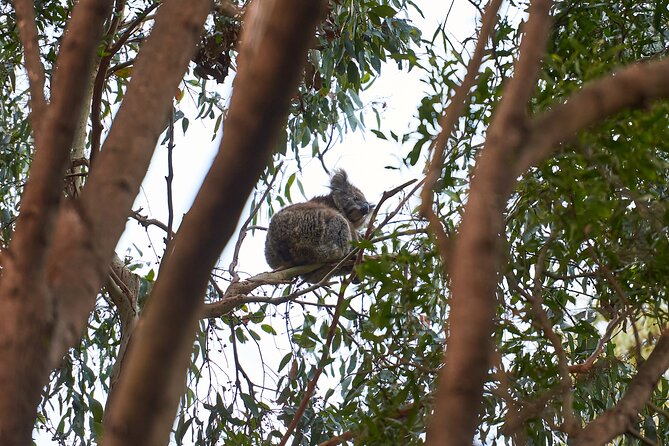
Wildlife Wonders’ sanctuary is set up so animals can live freely in a natural habitat, without cages. The idea is a safe haven before predators such as foxes and cats can impact vulnerable wildlife. In other words, you’re not watching animals perform for a crowd. You’re observing them going about daily life, which is exactly what makes this type of encounter feel real.
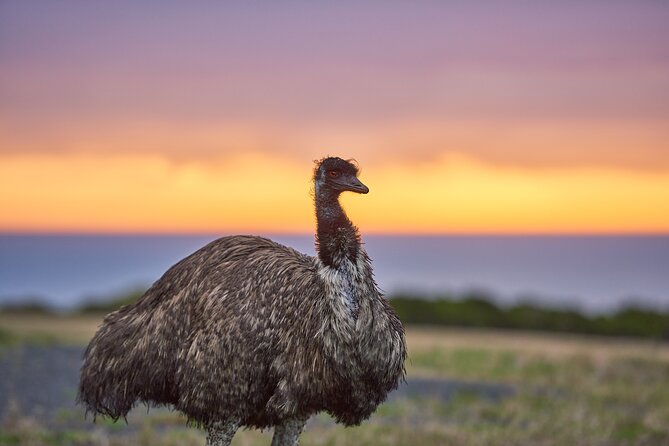
And yes, the sunset matters here. As the sky cools and the light softens, you get that golden-hour mood plus the evening animal movement. It’s a rare combination: wildlife viewing and a proper sunset moment, not a rushed “look up for five seconds” photo stop.
The small-group format: why 10 people makes a difference
The Dusk Discovery Tour caps participation at 10 travelers, and that’s a big part of the value. With fewer people, you can actually see what the guide is pointing out instead of playing the constant game of stand behind someone taller.
On a wildlife walk, quiet is your friend. A small group tends to keep the pace calmer and the attention tighter, which matters when animals are just starting their active feeding and foraging. You’re also given time to capture photos without the pressure of constantly shuffling around strangers.
Your guide brings the whole experience together. One review I found especially memorable highlighted guide Zoe’s passion and how it spreads to the group. That energy matters in wildlife settings because you’re more likely to notice small signs: subtle movement, the direction an animal chooses, or how the habitat edges affect where you spot activity.
Walking the 1.4 km winding path through real habitat types
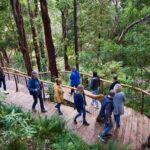
The core of the tour is a guided walk along a 1.4 km winding path. It’s not a long hike, but it’s also not a flat, straight line where everything happens “on schedule.” The route goes through a range of habitats, which helps explain why wildlife viewing can feel varied in a good way.
As you move, your guide shares insights into the lives of elusive animals in the Otways. The aim isn’t just name-dropping species—it’s giving you context for what you’re seeing. If you know why dusk matters, why certain animals are active only at night, and how habitat features influence movement, the whole walk feels less random.
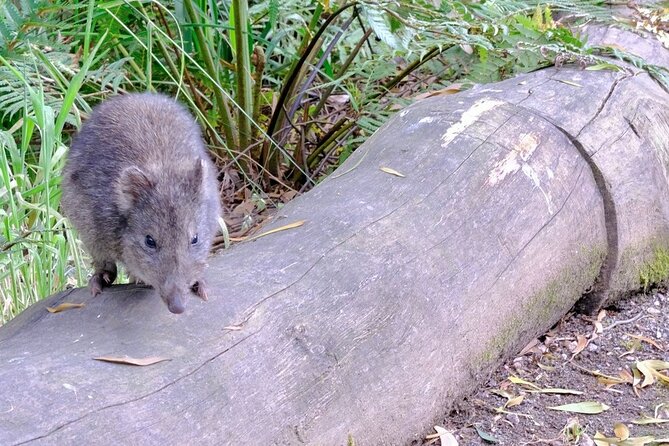
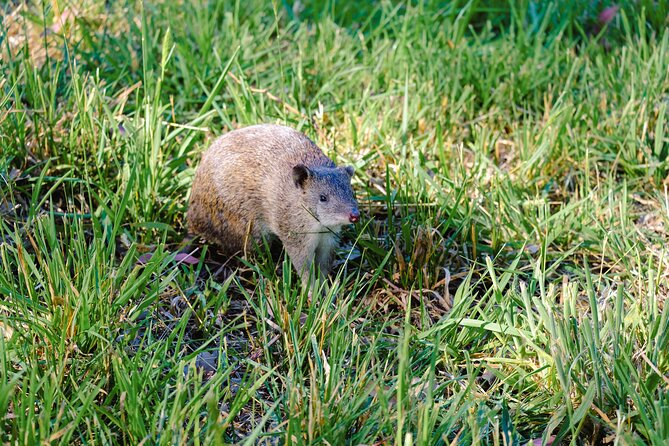
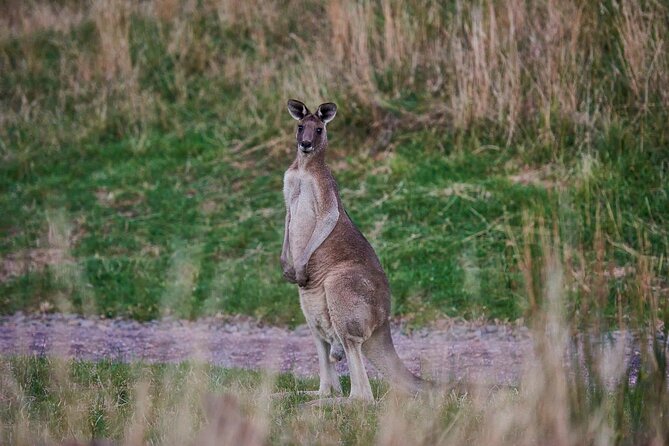
What you might spot (depending on conditions) includes potoroos, bandicoots, pademelons, and more. Even when sightings aren’t constant, dusk walks often deliver those moments where you suddenly realize wildlife is there—right at the edge of the path or in the patch of cover you almost walked past.
A practical drawback to keep in mind: because it’s a walk, you’ll want to be comfortable on uneven ground and stay focused for the whole stretch. It’s about 90 minutes, so it’s not long, but it’s still time on your feet.
What happens during sunset: photo time that doesn’t ignore the wildlife
One of the reasons this tour gets such strong praise is that it builds in real sunset photography opportunities while still keeping the focus on animals. In many tours, sunsets are treated like a break between activities. Here, the sunset timing and the animal activity timeline overlap, so both matter.
The best way to think about the photo opportunities: you’re not just photographing the sky. You’re trying to photograph a living landscape in low light, when animals are on the move and the sun is dropping. That means you’ll likely be working with changing light quickly and paying attention to where the guide directs your focus.
If you’re planning to shoot with a phone or camera, keep your expectations grounded. Wildlife photography is never a guaranteed production. But the small group size and the dusk timing are two things that genuinely improve your odds: fewer blockages, better attention, and animals actively feeding or foraging in the moment.


The mezze plate, beer or wine, and why it feels like more than a tour stop
Most wildlife experiences end when the walk ends. This one adds a little “slow down and enjoy” time with a mezze plate of local delights plus beer or wine.
That inclusion is more than a nice extra. It changes the vibe. You’re not sprinting from sighting to sighting and then feeling hungry immediately afterward. Instead, you can take a breath while the day’s light fades behind you, and you can talk with your small group about what you saw and what the guide explained.
It’s also a nice match for the setting. Mezze works well for casual, shared snacking, and it pairs naturally with an evening out. If you’re visiting as a couple, it still feels social because the group is small and the experience naturally gives you something to compare.
The conservation angle: why 100% of profits matters
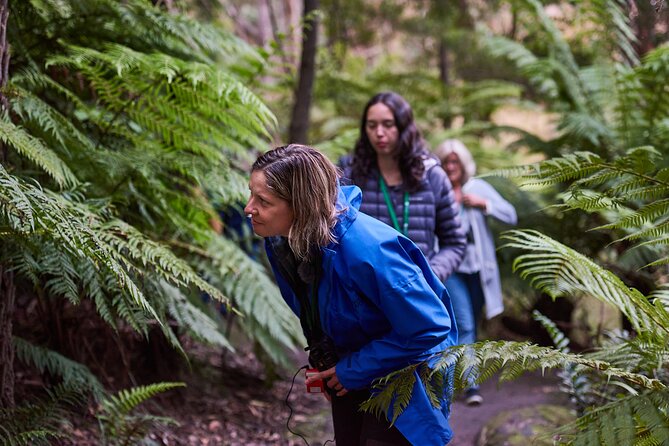
I appreciate experiences that don’t feel like they’re extracting value from wildlife. Wildlife Wonders supports conservation and research into Australia’s threatened species, with 100% of profits going toward that work.
That matters because the tour’s whole approach is rooted in a protected, natural habitat environment. If you care about authenticity and responsible wildlife interactions, this is a meaningful detail rather than a marketing checkbox. You’re paying for a guided walk plus the chance to see animals in a sanctuary setting designed to protect them from predators like foxes and cats.
Also, the guide’s role isn’t just to find animals. It’s to help you understand them. That’s part of why the educational tone lands: it’s connected to why the sanctuary exists.
Price and value: $68.14 per person, and what you’re really getting
At $68.14 per person, this isn’t the cheapest wildlife option on the Great Ocean Road. But it also doesn’t feel overpriced once you break down what’s included.
You’re paying for:
- A small group limited to 10
- A guided walk of about 90 minutes
- A designed habitat route (1.4 km through multiple habitat types)
- Sunset photo time built into the experience
- A mezze plate plus beer or wine
For me, the biggest value driver is the combination of small group + dusk timing + included food. If you’re traveling with a flexible schedule and you want a wildlife encounter that feels ethical and focused, this price usually makes more sense than tours that include only a vehicle ride and a couple quick stops.
Where it starts (and why the meeting point location matters)
The tour meets at 475 Great Ocean Rd, Apollo Bay VIC 3233, and it ends back at the same meeting point. That’s convenient if you’re basing yourself in Apollo Bay or planning a Great Ocean Road day with an evening slot.
Because it’s a dusk experience, timing is everything. You’ll want to plan your earlier part of the day so you arrive without stress. If you’re rushing from another stop, you’ll miss the whole point of arriving when animals are just shifting into active time.
You’ll also use a mobile ticket, so keep your phone handy and don’t wait until the last minute to check it.
Weather and wildlife sightings: how to set your expectations
The experience requires good weather, and if it’s canceled due to poor conditions, you’ll be offered a different date or a full refund. That tells you how much the tour depends on being outdoors at a specific time.
Even when the weather is good, wildlife visibility isn’t guaranteed. That’s not a flaw—it’s how wildlife works. Animals need to be active, and they need the conditions that bring them out. Dusk improves your odds because it’s when activity rises, but it still won’t turn nature into a timetable.
So here’s my practical advice: treat this as a guided wildlife viewing opportunity timed for peak behavior. If you get a potoroo or bandicoot sighting, great. If you get a quieter evening with fewer sightings, focus on the habitats, the signs of movement, and the guide’s explanations. You’ll still come away with understanding—and usually better photos than you’d expect from a casual walk.
Who should book the Dusk Discovery Tour
This is a strong fit if you:
- Want native wildlife in a protected, natural habitat, without cage-type viewing
- Care about responsible conservation and threatened species research
- Enjoy photography and want sunset time planned into the activity
- Like small-group experiences where the guide can stay attentive
- Are traveling with overseas visitors who want a meaningful intro to Australian wildlife
It’s also a nice match for couples, solo travelers, or anyone who wants a structured evening plan without the feeling of being rushed.
Should you book it? My call
Book the Dusk Discovery Tour if you want a wildlife experience that feels calm, intentional, and conservation-minded. The small group size, the dusk timing, and the built-in sunset photo window are the big reasons this tour earns top marks.
Skip it or think twice only if your trip is weather-sensitive and you hate plans that depend on outdoors conditions. If you’re flexible and you want an evening on the Great Ocean Road that’s more than scenery, this is the kind of tour that tends to make people talk about what they learned and what they saw.
FAQ
How long is the Dusk Discovery Tour?
It runs for about 1 hour 30 minutes.
What’s included in the tour price?
The tour includes access to the sanctuary during dusk, wildlife viewing and photography time, and a mezze plate of local delights with beer or wine.
How many people are on the tour?
The maximum group size is 10 travelers.
Where does the tour start and end?
It starts at 475 Great Ocean Rd, Apollo Bay VIC 3233, Australia, and ends back at the meeting point.
Is a mobile ticket provided?
Yes, the experience uses a mobile ticket.
What animals might you see?
The tour focuses on animals active around dusk, including potoroos, bandicoots, pademelons, and more.
What happens if the weather is poor?
This experience requires good weather. If it’s canceled due to poor weather, you’ll be offered a different date or a full refund.
Can most travelers participate?
Most travelers can participate.
What’s the cancellation policy?
You can cancel for a full refund up to 24 hours in advance of the experience’s start time. If you cancel less than 24 hours before, the amount paid isn’t refunded.
More Tour Reviews in Great Ocean Road
- Great Ocean Road Reverse Itinerary PREMIUM Tour – Max 11 Guests
★ 5.0 · 714 reviews - 2-Hour Deep Blue Hot Springs in Warrnambool
★ 4.5 · 160 reviews - Walk with Wildlife: Guided Tour in Great Ocean Road
★ 5.0 · 148 reviews - Two Hour Surf Lesson in Torquay on the Great Ocean Road
★ 4.5 · 115 reviews - Learn to Surf at Torquay on the Great Ocean Road
★ 5.0 · 110 reviews - Learn to Surf at Anglesea on the Great Ocean Road
★ 5.0 · 107 reviews
Fresh off the rank: Great Ocean Road tours we have written up lately
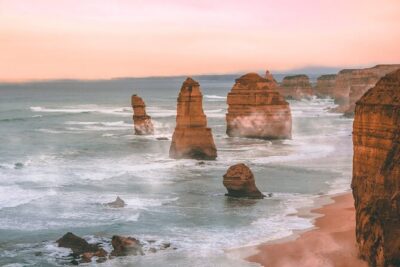
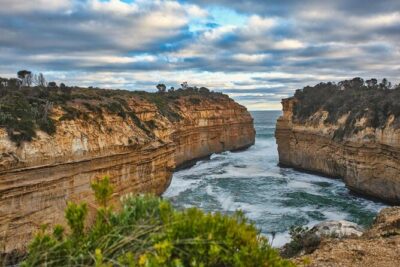
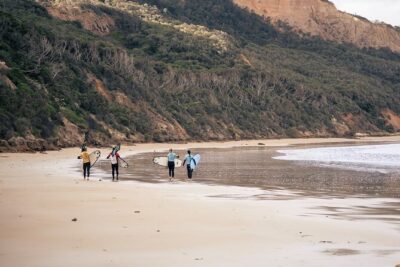
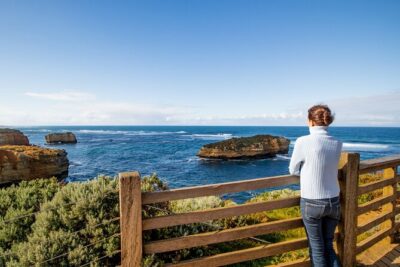

Melbourne City Sightseeing, side by side.
 ★ 4.12-Hour City Highlights River CruiseFrom $491,804 reviews
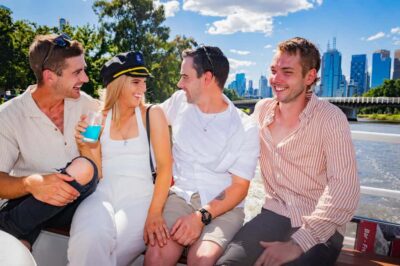 ★ 4.2Yarra River Sightseeing CruiseFrom $28889 reviews
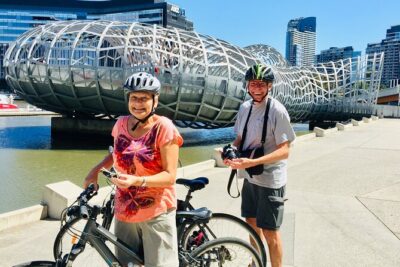 ★ 5.0Famous Melbourne City Bike TourFrom $100779 reviews
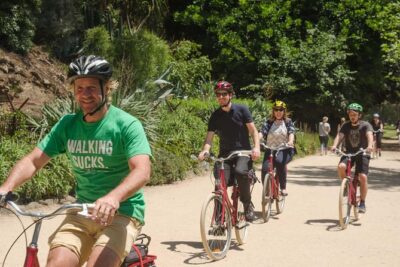 ★ 5.0The Best of Melbourne Bike TourFrom $78671 reviews
 ★ 5.0Hot Air Balloon Flights over Melbourne City (optional breakfast)From $369403 reviews
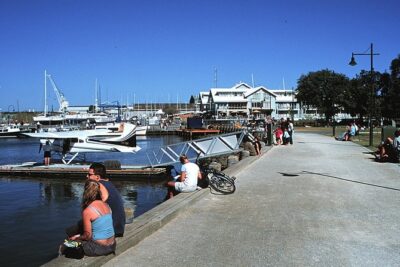 ★ 4.0Melbourne City and Williamstown Ferry CruiseFrom $23356 reviews
★ 4.1City and Williamstown Ferry CruiseFrom $23343 reviews
★ 4.0Melbourne City and Williamstown Ferry CruiseFrom $23356 reviews
★ 4.1City and Williamstown Ferry CruiseFrom $23343 reviews
 ★ 5.0Full-day Melbourne City Sightseeing with Penguin ParadeFrom $157259 reviews
Browse the lists this tour appears in