
REVIEW · GREAT OCEAN ROAD & TWELVE APOSTLES
Self-Guided Audio Driving Tour of the Great Ocean Road, Australia
The Great Ocean Road is a long drive with lots of stops, so the trick is staying on track. This self-guided drive from GuideAlong uses GPS-triggered audio so stories and directions come on when you reach each landmark.
I especially like the offline setup. Once you download, you can keep going even without cell service or Wi‑Fi, which matters on this part of Australia. The second big win is the sheer usefulness of the commentary: it’s packed with practical tips and story details that help you look at what you’re actually seeing.
One thing to consider: if you’re on iPhone, double-check your download ahead of time. There’s at least one reported iPhone download problem, so I’d rather you test at home than waste daylight figuring it out.
In This Review
- Key highlights you’ll feel right away
- Location-based audio that turns the drive into a guided route
- Downloading GuideAlong and going offline without drama
- The route rhythm: long coastal scenes, then quick stops you can nail
- Cape Otway Lightstation: oldest lighthouse vibes and big-coast views
- Torquay: surfing culture before the iconic cliff hits
- Bells Beach: world-famous waves and the Rip Curl Pro link
- Split Point Lighthouse at Aireys Inlet: White Queen views
- Eastern View Memorial Arch to Lorne: the start of the road story
- Erskine Falls near Lorne: a short walk reward in the Otways
- Apollo Bay: an easy coastal base for food and sea air
- Port Campbell and the Twelve Apostles area: your main-photo cluster
- Loch Ard Gorge: cliffs plus shipwreck story context
- Bay of Islands: the quieter option when you want space
- Price and what $19.99 per vehicle really means
- Practical tips for making the drive smoother
- Who should book this Great Ocean Road audio tour
- Should you book this audio tour?
- FAQ
- How long is the Great Ocean Road audio driving tour?
- How much does the tour cost and how many people can use one purchase?
- Does the tour work offline?
- Will the audio play automatically as I reach each stop?
- What’s included in the tour price?
- What’s not included?
- Where does the tour start and end?
- Is there a time window to start the tour?
Key highlights you’ll feel right away

- Plays automatically by location: stories, tips, and directions trigger with your phone’s GPS as you drive
- Works fully offline: no internet required once downloaded, so you can relax behind the wheel
- Great value per vehicle: $19.99 covers up to 8 people in your car
- A lot of content: 260+ audio points across the route
- You set the pace: start, pause, and resume whenever you want with suggested itineraries
- Free updates and no expiry: you buy once and keep access forever
More runs down the Great Ocean Road to the Twelve Apostles
- Walk with Wildlife: Guided Tour in Great Ocean Road★ 5.0 · 148 reviews
- Two Hour Surf Lesson in Torquay on the Great Ocean Road★ 4.5 · 115 reviews
- Learn to Surf at Torquay on the Great Ocean Road★ 5.0 · 110 reviews
- Learn to Surf at Anglesea on the Great Ocean Road★ 5.0 · 107 reviews
Location-based audio that turns the drive into a guided route
What makes this tour work is the timing. Instead of you hunting for the next stop while the best views are happening, the audio cues you. As your phone detects you’re near a landmark, the next segment starts—stories, practical notes, and directions all in one flow.
That’s a real advantage on the Great Ocean Road, where the timing of pull-offs, viewpoints, and short walks can make or break your experience. You don’t need to memorize a route plan. You’re following the road, and the tour follows your position.
I also like that the guide is built for flexibility. You’re not stuck on a rigid schedule. You can do a shorter version, a full sweep, or a multi-day approach using the suggested itineraries. For many people, that means less stress and more time at the places you actually care about.
Downloading GuideAlong and going offline without drama
This is a self-guided audio tour, so your success starts before you leave. After booking, you’ll get instructions by email/text with a link to search for Download Audio Tour. You redeem your voucher code by signing in with your Apple or Google account.
Then you use the GuideAlong app (GyPSy Guide) under My Tours to download the specific tour. You can download the free app over Wi‑Fi or cellular data, and the tour content over Wi‑Fi or cellular data. Once it’s on your phone, the tour runs offline using GPS—no cell service required during the drive.
Here’s the practical tip I’d give you: bring a USB car charger and make sure your phone is fully charged. Audio + GPS is a battery tax. It’s not complicated, but it’s the kind of small thing that saves you from last-minute power anxiety.
The route rhythm: long coastal scenes, then quick stops you can nail
A good Great Ocean Road day has two moods. First, it’s steady driving with big Southern Ocean views. Then it’s short bursts: park, walk to a viewpoint, absorb a bit of history or geology, and move on before the light changes.
This audio tour mirrors that rhythm with clear place-to-place pacing. The goal isn’t to race. It’s to keep you informed enough that each stop makes sense. You’ll get context while you’re looking, not after you get home.
Also, because you’re in control, you can adapt to weather. If it’s windy near the cliffs, you can spend more time where you’re comfortable. If you’re still energized, you can keep rolling to the next landmark without waiting for a group.
Cape Otway Lightstation: oldest lighthouse vibes and big-coast views

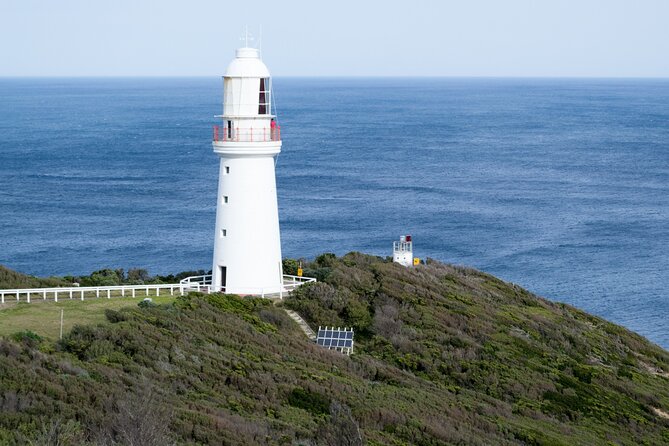
Cape Otway Lightstation is where the trip feels grounded in maritime Australia. This stop is Australia’s oldest surviving lighthouse on a rugged coast where Bass Strait meets the Southern Ocean.
The value here is twofold. First, the lighthouse gives you a clear anchor for understanding the coastline’s hazards and sea traffic. Second, the views are the kind that make you slow down without being told.
If you like photo stops with a purpose, this is one of the best early choices. It also has an admission ticket included, so you don’t need to plan extra cost for this particular entry.




Torquay: surfing culture before the iconic cliff hits
Torquay is the gateway town, and the audio tour frames it as more than just a starting point. You’ll hear about the area’s surfing culture and the way the coast here feeds into the bigger Great Ocean Road sights.
This is also a smart place to reset. You can grab water, stretch your legs, and do a quick check that your phone battery and audio playback are behaving. It’s easier to fix a setup issue in Torquay than after you’ve committed deep into the coastline.
A practical bonus: Torquay ties into the Australian National Surfing Museum. Even if you don’t go in, the audio context makes the town feel connected to the rest of the route.
Bells Beach: world-famous waves and the Rip Curl Pro link
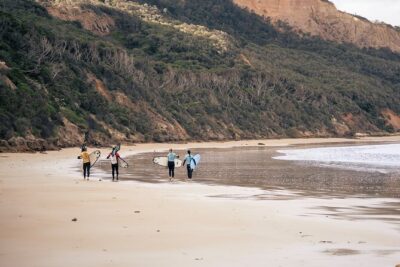
Bells Beach is one of those names that surfers and non-surfers alike recognize. The tour explains why: it’s a world-famous surfing spot known for powerful waves and rugged cliffs, and it hosts the annual Rip Curl Pro Surfing competition.
What I like about this stop on an audio tour is that it helps you see the landscape as sport and weather combined. When the wind and swell line up, the coast becomes a stage. You’re not just staring at cliffs—you’re connecting the geography to real-world wave action.
This is also a good stop to keep an eye on safety. Coastal cliffs can be unpredictable, so treat the viewpoints like viewpoints, not walking destinations.
Split Point Lighthouse at Aireys Inlet: White Queen views
Next up, Aireys Inlet brings you the Split Point Lighthouse. It’s known as the White Queen, and the audio tour connects it to its famous screen appearance from TV.
The practical reason to stop here is simple: you get panoramic coastline views from an iconic structure. Even if you’re not a lighthouse fan, the setting is a strong “you are here” moment. It breaks up the drive and gives you a sense of scale.
Also, lighthouse stops tend to be quick and photo-friendly. If you’re following the audio track at a relaxed pace, this one works well as a mid-route refresh.
Eastern View Memorial Arch to Lorne: the start of the road story
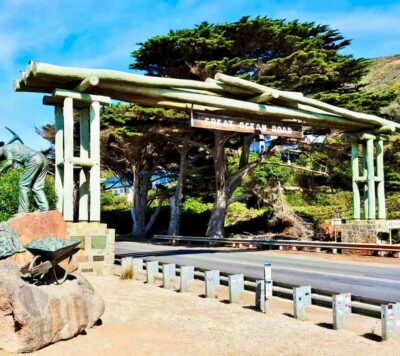
The Memorial Arch at Eastern View marks the start of the Great Ocean Road and remembers soldiers who built it after World War I. This is one of those stops that can turn a scenic drive into something more meaningful.
I like this kind of pause. When you understand the road’s origin, the Great Ocean Road feels less like a postcard route and more like a human project carved through tough country.
Then you reach Lorne, a seaside town where the audio nudges you toward a slower kind of break—beaches, cafés, and an arts scene. If you want a rest stop that doesn’t feel like a pit stop, Lorne is a good candidate.
Erskine Falls near Lorne: a short walk reward in the Otways
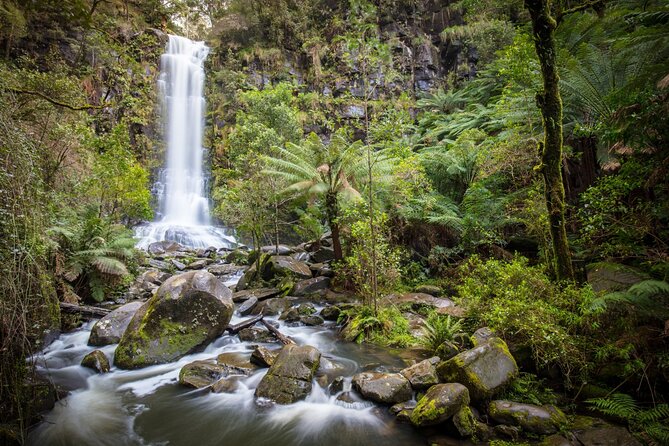
Erskine Falls is a 30-meter waterfall in the lush Otway Ranges near Lorne, and it’s reached via a short walk. The key here is that it’s not a long hiking commitment, but it still delivers the forest-and-water change of pace you want on a driving day.
This stop is perfect when your day has become mostly cliffs and ocean. A waterfall resets your senses. You’ll also get that fern-and-forest feel the audio sets up, so you know what to look for once you’re there.
If the weather is damp, this can feel even more alive. If it’s misty, keep your expectations flexible and focus on the sound and motion rather than perfect photos.
Apollo Bay: an easy coastal base for food and sea air
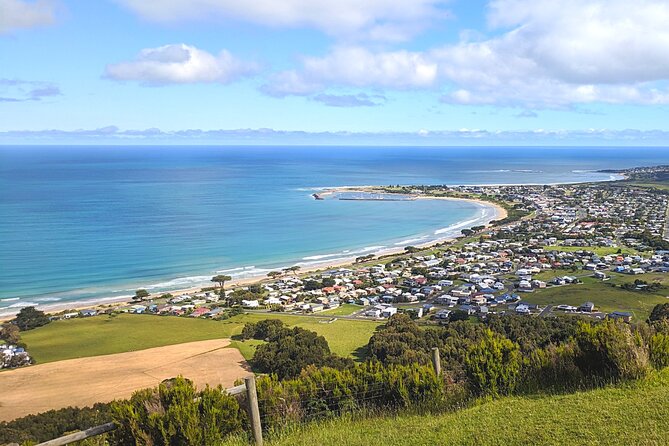
Apollo Bay is where the mood turns into coastal town time. It’s described as a picturesque place between the ocean and rolling hills, with beaches and fresh seafood, plus it functions as a gateway to the Otways.
In a self-guided drive, Apollo Bay matters because it gives you an optional pause without forcing a full day detour. If you want a longer break, you can use it as a base. If you’re doing a tight day, you can still stop briefly for supplies.
The tour doesn’t replace meals, but it helps you plan your pacing so you don’t burn time in lines. You’re free to stop when it makes sense for your group.
Port Campbell and the Twelve Apostles area: your main-photo cluster
Port Campbell is the quiet base for the big natural landmarks nearby. In practice, that means you can park once and use the area as a launching point for the next dramatic sites.
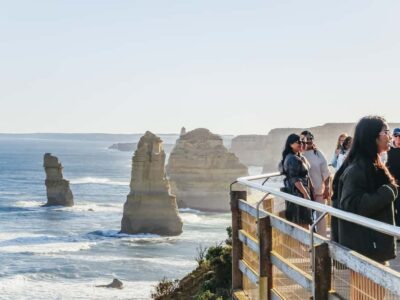
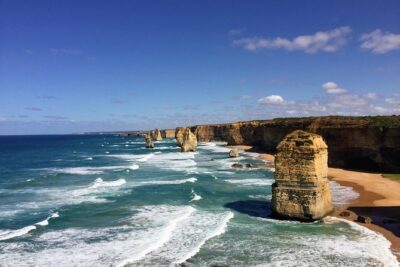
Then come the Twelve Apostles—limestone stacks rising from the Southern Ocean near Port Campbell. The audio encourages you to think about timing, especially sunrise or sunset when the stacks are bathed in light.
This is where I think the audio format really pays off. You’ll likely be looking at the same coast as everyone else, but the story context helps you interpret what you’re seeing—how these formations stand where they do, and why weather and time change the mood.
Loch Ard Gorge: cliffs plus shipwreck story context
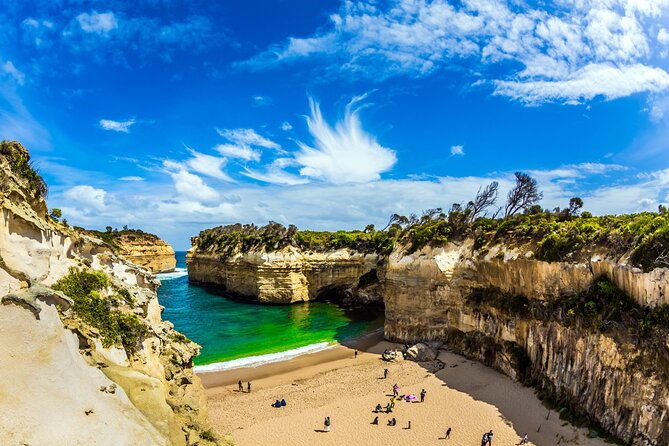
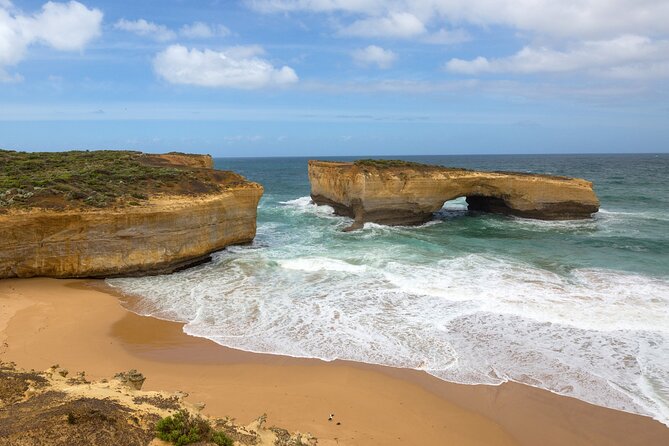
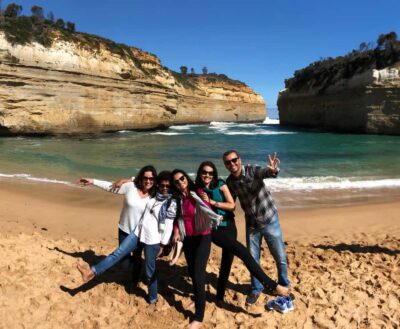
Loch Ard Gorge adds drama and narrative. It’s a dramatic inlet carved by the sea with steep cliffs and a sandy beach, and it’s named after the shipwreck of the Loch Ard.
The value of an audio guide here is that it keeps your attention from turning into empty scenery. You hear the shipwreck connection while you’re standing near the features tied to that history, so your brain has a thread to follow.
Even if you don’t go far beyond viewpoints, it helps you appreciate why the place has stayed famous.
Bay of Islands: the quieter option when you want space
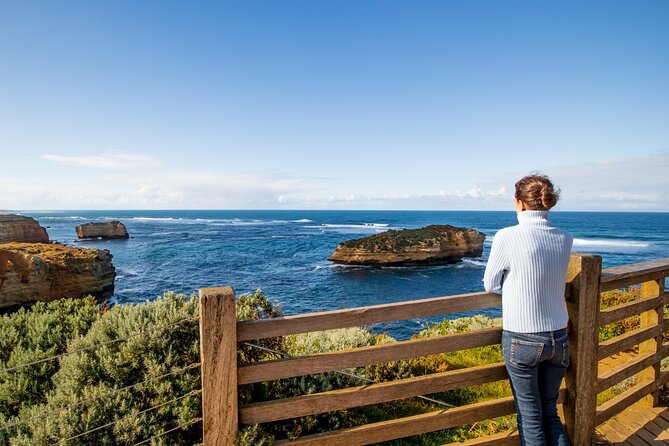
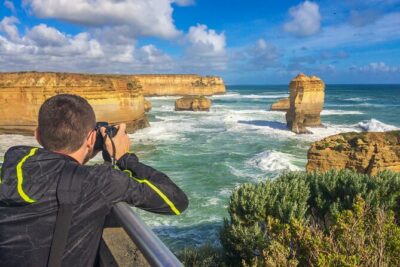
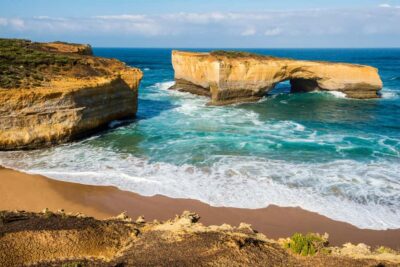
The Bay of Islands offers towering limestone stacks and rugged cliffs, but it’s presented as less crowded than the Twelve Apostles. The audio also frames it as a spot that can feel untouched, giving you that chance to slow down and linger.
This is a smart choice if you want a second round of ocean views without the peak-tourist pressure. You still get the geological drama, but with more breathing room for photos and walking.
If your timing is flexible, this stop can also be your plan B. If you arrive at the main stacks and it’s too intense for your comfort level, Bay of Islands gives you another strong payoff.
Price and what $19.99 per vehicle really means
At $19.99 per group (up to 8 people in your vehicle), this audio tour is priced like a value product. The key detail is that it’s per vehicle, not per person. If you’re traveling as a family or a small friend group, the cost gets easier to justify fast.
You also get 260+ location-based points, offline functionality, and free updates with no expiry. That combination matters. Many tours lock you into a specific travel window or require ongoing connectivity. Here, the asset lives on your phone and stays useful.
What’s not included is food and drinks. That’s normal for a self-guided drive, but it does mean you’ll plan your own stops. The good news is the route naturally offers towns like Lorne, Apollo Bay, and Port Campbell where you can reset.
Practical tips for making the drive smoother
A few things help you get more out of the day without overthinking it.
- Charge your phone before you start. Bring a USB car charger and keep the audio going without battery panic.
- Plan for short walks. Some of the best stops are accessed via walkways or short walks, like Erskine Falls.
- Use the trip planner inside the app. You can follow suggested itineraries or build your own half-day, full-day, or multi-day plan.
- Start within the available window. The tour runs daily 6:00 AM to 6:00 PM through the listed dates, so you can match it to daylight.
If you run into issues, there’s support via toll-free phone, chat, and email. That’s handy when you’re trying to avoid turning a sightseeing day into tech support.
Who should book this Great Ocean Road audio tour
This tour fits best if you want the freedom of a road trip but still want depth. You’re a good match if you like to:
- drive your own pace instead of following a tight group schedule
- get context for landmarks like lighthouses and gorges while you’re physically there
- travel in a group where sharing the per-vehicle price feels fair
It’s also a good option if you’re coming from areas with limited cell service. Since the tour runs offline once downloaded, you’re not stuck searching for signal just to hear the next story.
If you hate using your phone while driving, you’ll need to be mindful. The audio is the main feature, so your phone will be a key part of the day.
Should you book this audio tour?
Yes, I’d book it if you want a cost-effective way to make the Great Ocean Road feel guided without losing your freedom. The biggest wins are the GPS-triggered playback, the offline mode, and the large amount of content across the main landmarks.
Skip it only if you strongly prefer a live guide in the car or you know you won’t manage a phone-based setup before leaving. If you’re the type who tests your tech early and keeps your battery charged, this is a smart way to see the coast with less guesswork and more meaning.
FAQ
How long is the Great Ocean Road audio driving tour?
It runs about 10 to 12 hours, depending on how much time you spend at each stop.
How much does the tour cost and how many people can use one purchase?
It costs $19.99 per group, up to 8 people per vehicle.
Does the tour work offline?
Yes. After you download the tour in the GuideAlong app, you can use it offline with GPS. No cell service or Wi‑Fi is needed during the drive.
Will the audio play automatically as I reach each stop?
Yes. The stories, tips, and directions play automatically based on your GPS location.
What’s included in the tour price?
You get the GuideAlong (GyPSy Guide) audio tour with 260+ points, location-based stories and directions, trip planners (in-app/web/PDF), and free updates with no expiry. Cape Otway Lightstation includes an admission ticket.
What’s not included?
Food and drinks are not included.
Where does the tour start and end?
It starts in Allansford VIC 3277, Australia, and ends back at the meeting point.
Is there a time window to start the tour?
Yes. The listed opening hours are Monday to Sunday from 6:00 AM to 6:00 PM.
More Tour Reviews in Great Ocean Road
- Great Ocean Road Reverse Itinerary PREMIUM Tour – Max 11 Guests
★ 5.0 · 714 reviews - 2-Hour Deep Blue Hot Springs in Warrnambool
★ 4.5 · 160 reviews - Walk with Wildlife: Guided Tour in Great Ocean Road
★ 5.0 · 148 reviews - Two Hour Surf Lesson in Torquay on the Great Ocean Road
★ 4.5 · 115 reviews - Learn to Surf at Torquay on the Great Ocean Road
★ 5.0 · 110 reviews - Learn to Surf at Anglesea on the Great Ocean Road
★ 5.0 · 107 reviews
The Great Ocean Road, A Few More Ways
- Great Ocean Road Reverse Itinerary PREMIUM Tour – Max 11 Guests
★ 5.0 · 714 reviews - Walk with Wildlife: Guided Tour in Great Ocean Road
★ 5.0 · 148 reviews - Two Hour Surf Lesson in Torquay on the Great Ocean Road
★ 4.5 · 115 reviews - Learn to Surf at Torquay on the Great Ocean Road
★ 5.0 · 110 reviews - Learn to Surf at Anglesea on the Great Ocean Road
★ 5.0 · 107 reviews - 2-Hour Private Surfing Lesson in Torquay
★ 5.0 · 72 reviews
Fresh off the rank: Great Ocean Road tours we have written up lately





Great Ocean Road & Twelve Apostles, side by side.
 ★ 5.0Great Ocean Road Small-Group Eco Tour from MelbourneFrom $1066,607 reviews
 ★ 4.7Great Ocean Road, 12 Apostles, Wildlife TourFrom $946,020 reviews
 ★ 5.0Great Ocean Road Reverse Itinerary Boutique Tour – Max 11 GuestsFrom $1064,186 reviews
 ★ 4.8Great Ocean Road Tour w/ Deluxe Minibus & Top-Rated GuideFrom $1052,644 reviews
 ★ 4.7Melbourne Great Ocean Rd Reverse Tour London Bridge WildlifeFrom $462,252 reviews
 ★ 4.5Great Ocean Road Extended–Top Stops&London BridgeFrom $421,920 reviews
 ★ 4.8Great Ocean Road Boutique Tour in ReverseFrom $971,471 reviews
 ★ 5.0Great Ocean Road Full-Day Sunset Eco Tour from MelbourneFrom $1141,085 reviews
Browse the lists this tour appears in